Address:Botou, Cangzhou City, Hebei Province, China

Understanding Hydraulic Shears: Essential Tools for Industrial Applications
Mar 31,2025
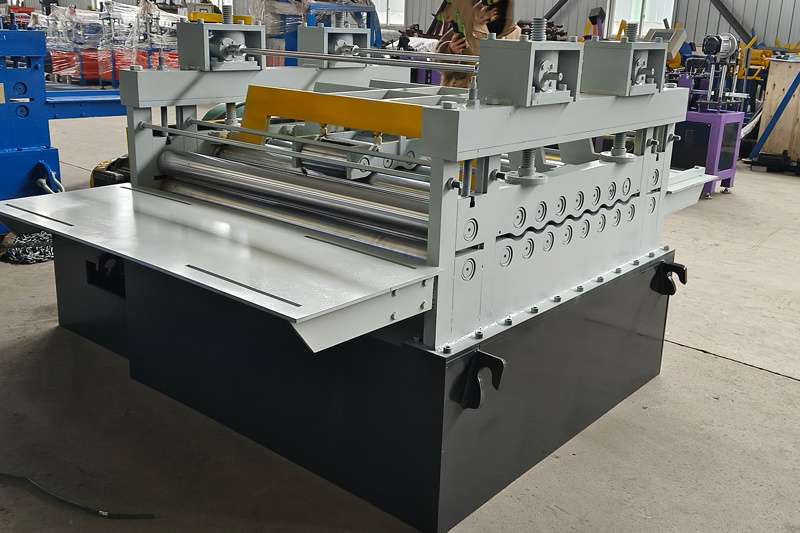
Hydraulic shears are specialized cutting tools that utilize hydraulic power to shear through various materials, primarily metals. These devices are designed to handle heavy-duty applications, making them essential in industries such as metalworking, construction, and recycling. The key advantage of hydraulic shears lies in their ability to produce high cutting force while maintaining precision and control.
The operation of hydraulic shears is based on Pascal's principle, which states that pressure applied to a confined fluid results in an equal pressure change throughout the fluid. This principle allows hydraulic shears to achieve significant force amplification, enabling them to cut through thick materials with minimal effort. The cutting mechanism typically involves two blades: a stationary blade and a movable blade. As the hydraulic system activates the movable blade, it slides past the stationary blade, resulting in a clean cut.
One of the primary benefits of hydraulic shears is their versatility. They can be used to cut a wide range of materials, including sheet metal, aluminum, and even plastic composites. This adaptability makes them invaluable in various applications, from fabricating metal parts to preparing materials for recycling. Moreover, hydraulic shears are often equipped with features such as adjustable cutting angles and blade settings, allowing operators to customize their cutting processes based on specific project requirements.
Safety is another critical aspect of hydraulic shears. Modern units are designed with safety features, including emergency stop buttons, protective guards, and automatic shut-off systems, ensuring the well-being of operators. Proper training and adherence to safety protocols are essential to maximize the benefits of these powerful tools while minimizing risks.
Maintenance is key to ensuring the longevity and efficiency of hydraulic shears. Regular inspections of the hydraulic system, blades, and overall machine condition are crucial. Lubrication of moving parts, checking hydraulic fluid levels, and replacing worn-out components are essential practices that help maintain optimal performance and prevent breakdowns.
In summary, hydraulic shears are indispensable tools in the industrial sector, combining powerful cutting capabilities with versatility and safety features. Understanding their operation, maintenance, and applications can significantly benefit professionals and companies looking to enhance their production processes. Whether in metal fabrication, construction, or recycling, hydraulic shears remain at the forefront of industrial cutting technology, driving efficiency and precision in various operations.
The operation of hydraulic shears is based on Pascal's principle, which states that pressure applied to a confined fluid results in an equal pressure change throughout the fluid. This principle allows hydraulic shears to achieve significant force amplification, enabling them to cut through thick materials with minimal effort. The cutting mechanism typically involves two blades: a stationary blade and a movable blade. As the hydraulic system activates the movable blade, it slides past the stationary blade, resulting in a clean cut.
One of the primary benefits of hydraulic shears is their versatility. They can be used to cut a wide range of materials, including sheet metal, aluminum, and even plastic composites. This adaptability makes them invaluable in various applications, from fabricating metal parts to preparing materials for recycling. Moreover, hydraulic shears are often equipped with features such as adjustable cutting angles and blade settings, allowing operators to customize their cutting processes based on specific project requirements.
Safety is another critical aspect of hydraulic shears. Modern units are designed with safety features, including emergency stop buttons, protective guards, and automatic shut-off systems, ensuring the well-being of operators. Proper training and adherence to safety protocols are essential to maximize the benefits of these powerful tools while minimizing risks.
Maintenance is key to ensuring the longevity and efficiency of hydraulic shears. Regular inspections of the hydraulic system, blades, and overall machine condition are crucial. Lubrication of moving parts, checking hydraulic fluid levels, and replacing worn-out components are essential practices that help maintain optimal performance and prevent breakdowns.
In summary, hydraulic shears are indispensable tools in the industrial sector, combining powerful cutting capabilities with versatility and safety features. Understanding their operation, maintenance, and applications can significantly benefit professionals and companies looking to enhance their production processes. Whether in metal fabrication, construction, or recycling, hydraulic shears remain at the forefront of industrial cutting technology, driving efficiency and precision in various operations.
TAG:
PREVIOUS:

Contact Us
E-mail :
chiyuan@chiyuanmachine.com
Phone/Wechat:
+86-13483837770
Address:
Botou Economic Development Zone, Cangzhou City, Hebei Province, China



Request Quote