Address:Botou, Cangzhou City, Hebei Province, China

Troubleshooting Common Issues in Hydraulic Shears: A Comprehensive Guide for Optimal Performance
Apr 01,2025
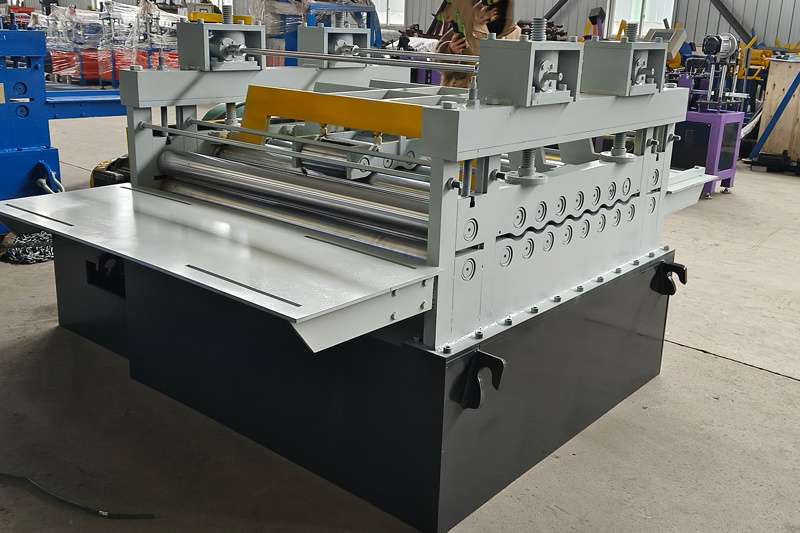
Troubleshooting Common Issues in Hydraulic Shears
Hydraulic shears are essential tools in various industrial applications, known for their ability to cut materials with precision and power. However, like any complex machinery, they can encounter issues that hinder their performance. In this comprehensive guide, we will explore common problems associated with hydraulic shears, how to identify them, and effective troubleshooting techniques to ensure that your equipment remains in optimal condition.
Understanding Hydraulic Shears
Before diving into troubleshooting, it's important to understand how hydraulic shears function. These tools utilize hydraulic pressure to manipulate blades, enabling them to cut through various materials, including metal, plastic, and composites. The effectiveness of hydraulic shears is contingent upon the proper functioning of several components, including the hydraulic system, blades, and the overall mechanical structure.
Components of Hydraulic Shears
A hydraulic shear typically consists of the following components:
- **Hydraulic Pump:** Generates pressure to operate the shearing blades.
- **Hydraulic Cylinder:** Converts hydraulic energy into mechanical force.
- **Blades:** The cutting mechanism that interacts with the material being processed.
- **Frame and Structure:** Provides stability and alignment for the blades during operation.
Understanding these components will aid in diagnosing issues when they arise.
Common Issues with Hydraulic Shears
In this section, we will discuss several common issues encountered with hydraulic shears, their potential causes, and the methods to resolve them.
1. Insufficient Cutting Power
**Symptoms:** The shear fails to cut through the material or requires multiple passes.
**Potential Causes:**
- Low hydraulic fluid levels
- Worn or damaged blades
- Malfunctioning hydraulic pump
**Solutions:**
- Check and refill hydraulic fluid to the recommended level.
- Inspect blades for wear; sharpen or replace them as necessary.
- Test the hydraulic pump for proper functionality and replace it if defective.
2. Hydraulic Fluid Leaks
**Symptoms:** Visible fluid on the floor or around the machine, reduced fluid levels in the reservoir.
**Potential Causes:**
- Damaged hoses or fittings
- Worn seals
- Loose connections
**Solutions:**
- Examine hoses and fittings for cracks or wear; replace if necessary.
- Check and replace any worn seals.
- Tighten loose connections to prevent leaks.
3. Slow or Erratic Blade Movement
**Symptoms:** The blades move slowly or unpredictably during operation.
**Potential Causes:**
- Contaminated hydraulic fluid
- Air in the hydraulic system
- Faulty hydraulic valves
**Solutions:**
- Change the hydraulic fluid and ensure it is free from contaminants.
- Bleed the hydraulic system to remove any trapped air.
- Inspect and replace faulty hydraulic valves.
4. Excessive Vibrations or Noise
**Symptoms:** Increased vibrations during operation or unusual noises.
**Potential Causes:**
- Misalignment of components
- Loose parts
- Worn bearings
**Solutions:**
- Check the alignment of the shearing mechanism and adjust it as necessary.
- Tighten any loose components to reduce vibrations.
- Inspect bearings for wear and replace them if required.
5. Overheating Hydraulic System
**Symptoms:** Hydraulic fluid becomes excessively hot, leading to reduced performance.
**Potential Causes:**
- Blocked hydraulic filters
- Inadequate cooling
- Overworking the machine
**Solutions:**
- Replace or clean hydraulic filters to ensure proper fluid flow.
- Ensure adequate cooling measures are in place, such as fans or heat exchangers.
- Reduce workload to prevent overheating.
Step-by-Step Troubleshooting Guide
When faced with issues in hydraulic shears, following a systematic approach can help identify the root cause more efficiently. Here’s a step-by-step troubleshooting guide:
Step 1: Perform a Visual Inspection
Begin by thoroughly examining the hydraulic shear for any obvious signs of wear, leaks, or damage. Check all components, including hoses, fittings, and the hydraulic reservoir.
Step 2: Check Hydraulic Fluid Levels
Verify that hydraulic fluid levels are adequate. Insufficient fluid can lead to performance issues. If levels are low, top up the fluid with the manufacturer-recommended type.
Step 3: Test the Hydraulic System
Utilize a pressure gauge to assess the hydraulic system's pressure. Compare the readings with the manufacturer's specifications. Deviations may indicate pump issues or blockages.
Step 4: Analyze Blade Condition
Inspect the blades for any signs of wear or damage. Dull blades can impede cutting performance and should be sharpened or replaced as needed.
Step 5: Listen for Unusual Noises
While operating the hydraulic shear, pay attention to any unusual noises that could indicate mechanical issues. This can help pinpoint problems such as misalignments or worn components.
Step 6: Check Electrical Components
If your hydraulic shear is equipped with electrical controls, inspect the wiring and connections for damage. Faulty electrical components can lead to erratic operation.
Preventative Maintenance for Hydraulic Shears
To minimize the risk of encountering issues with hydraulic shears, implementing a routine maintenance schedule is essential. Here are some key maintenance practices:
Regular Fluid Changes
Change hydraulic fluid according to the manufacturer’s guidelines to prevent contamination and maintain optimal performance.
Blade Maintenance
Regularly inspect and sharpen blades to ensure clean cuts. Replace blades when they show signs of significant wear or damage.
Inspection of Hoses and Fittings
Frequent inspections of hoses and fittings for wear or leaks can prevent sudden failures and maintain operational efficiency.
Cleaning and Lubrication
Keep the shear clean and properly lubricated to reduce wear on moving parts and to extend the machine's lifespan.
FAQs About Hydraulic Shears
1. What materials can hydraulic shears cut?
Hydraulic shears are capable of cutting various materials, including metals (steel, aluminum), plastics, and composites.
2. How often should I perform maintenance on my hydraulic shears?
It is advisable to perform maintenance checks typically every 3 to 6 months, depending on usage. More frequent checks may be necessary for high-use environments.
3. How do I know if my hydraulic fluid needs changing?
If the hydraulic fluid appears dark, contaminated, or has a burnt smell, it’s time for a change. Also, follow the manufacturer’s guidelines for fluid change intervals.
4. Can I operate hydraulic shears if I notice a small leak?
Operating hydraulic shears with a leak is not recommended, as it can lead to further damage and affect performance. Address the leak before resuming operation.
5. What should I do if my hydraulic shear won’t start?
Check the electrical connections, hydraulic fluid levels, and control systems. If the issue persists, consult a technician for a detailed inspection.
Conclusion
Troubleshooting common issues in hydraulic shears is crucial for maintaining efficiency and productivity in industrial applications. By understanding the common problems, implementing a step-by-step troubleshooting guide, and prioritizing preventative maintenance, operators can ensure their hydraulic shears perform optimally. A proactive approach to maintenance not only enhances the longevity of the equipment but also improves safety and operational efficiency in the workplace. With proper care and attention, your hydraulic shears can continue to deliver the powerful and precise performance needed in various cutting applications.
TAG:

Contact Us
E-mail :
chiyuan@chiyuanmachine.com
Phone/Wechat:
+86-13483837770
Address:
Botou Economic Development Zone, Cangzhou City, Hebei Province, China



Request Quote