Address:Botou, Cangzhou City, Hebei Province, China

The Ultimate Buying Guide for Hydraulic Shears: Your Comprehensive Resource for Informed Decisions
Mar 30,2025
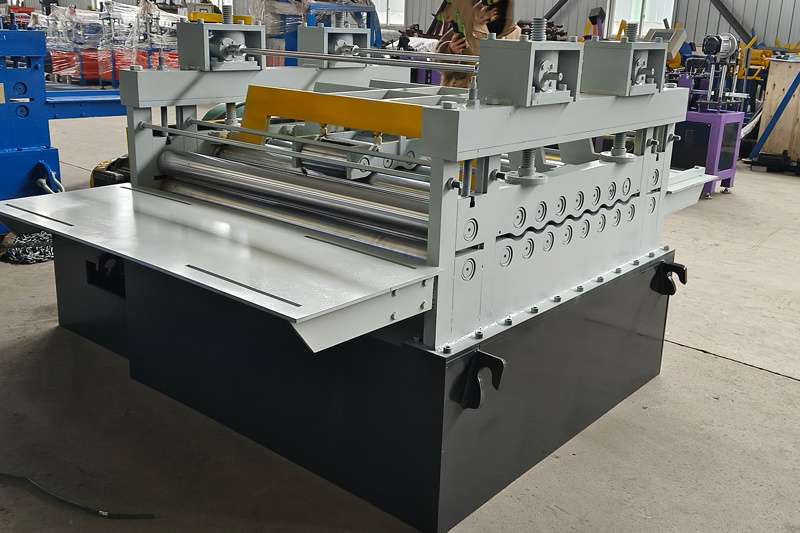
The Ultimate Buying Guide for Hydraulic Shears
Table of Contents
- 1. Understanding Hydraulic Shears: An Overview
- 2. Key Components of Hydraulic Shears
- 3. Types of Hydraulic Shears: Choosing the Right One
- 4. Factors to Consider When Buying Hydraulic Shears
- 5. How to Maintain Hydraulic Shears for Longevity
- 6. Common Mistakes to Avoid When Buying Hydraulic Shears
- 7. Frequently Asked Questions (FAQs)
- 8. Conclusion
1. Understanding Hydraulic Shears: An Overview
Hydraulic shears are versatile machines used for cutting various materials, primarily in industrial settings. Utilizing hydraulic power, these shears offer high cutting force, allowing for efficient processing of thick materials. The application of hydraulic technology ensures that operators can achieve precision cuts with minimal effort, making hydraulic shears a staple in metal fabrication, recycling, and construction industries.
In this guide, we will delve deep into hydraulic shears, exploring their components, types, and key considerations for potential buyers. Our goal is to equip you with comprehensive knowledge to make an informed purchasing decision.
2. Key Components of Hydraulic Shears
A hydraulic shear consists of several important components that work together to facilitate the cutting process. Understanding these components will help you assess the quality and functionality of different models.
2.1. Hydraulic Cylinder
The hydraulic cylinder is the heart of the hydraulic shear. It generates the force required to perform the cutting operation. The size and capacity of the hydraulic cylinder directly influence the shear's cutting power and efficiency.
2.2. Cutting Blade
The cutting blade is a critical factor in determining the shear's performance. It is typically made from high-carbon or high-speed steel, designed to withstand wear and maintain sharpness. The blade's design and angle also impact the quality of the cut.
2.3. Control System
Modern hydraulic shears come equipped with advanced control systems, allowing for precise adjustments in cutting speed and force. Some models even feature programmable controls for automated operation.
2.4. Base Frame
The base frame supports all other components and provides stability during operation. A robust frame is essential for minimizing vibrations and ensuring accuracy in cuts.
3. Types of Hydraulic Shears: Choosing the Right One
Selecting the appropriate type of hydraulic shear is crucial to meeting your specific cutting needs. Below are the most common types of hydraulic shears available on the market today.
3.1. Guillotine Hydraulic Shears
Guillotine shears are designed for straight cuts and are popular in sheet metal processing. They feature a straight blade that moves vertically downwards, providing clean and precise cuts. These shears can handle various material thicknesses and are often used in manufacturing environments.
3.2. Swing Beam Shears
Swing beam shears utilize a pivoting motion to bring the blade down. This design allows for a more significant cutting stroke, making them ideal for cutting thicker materials. These shears are versatile and suitable for a range of applications, including automotive and aerospace industries.
3.3. CNC Hydraulic Shears
CNC (Computer Numerical Control) hydraulic shears offer automation and precision. With programmable controls, these shears can execute complex cutting patterns with minimal operator intervention. They are particularly beneficial for high-volume production environments where consistency and accuracy are paramount.
4. Factors to Consider When Buying Hydraulic Shears
When purchasing hydraulic shears, it's essential to evaluate several key factors to ensure you invest in a machine that meets your operational needs.
4.1. Material Thickness and Type
Consider the maximum thickness and type of material you plan to cut. Different hydraulic shears are designed to handle varying thicknesses, and it’s crucial to match the machine to your specific application.
4.2. Cutting Speed and Stroke Length
Evaluate the cutting speed and stroke length of the shear. Faster cutting speeds can enhance productivity, while an adequate stroke length ensures that the machine can handle larger materials efficiently.
4.3. Safety Features
Safety should be a top priority when selecting hydraulic shears. Look for features such as emergency stop buttons, safety guards, and automatic shut-off systems to protect operators and minimize accident risks.
5. How to Maintain Hydraulic Shears for Longevity
Proper maintenance is vital for ensuring the longevity and performance of hydraulic shears. Here are some essential maintenance tips:
1. **Regular Inspections**: Conduct routine checks on hydraulic fluid levels, hoses, and seals to identify potential issues early.
2. **Blade Maintenance**: Keep blades sharp and free from damage. Regularly inspect and sharpen or replace blades as needed to maintain cutting efficiency.
3. **Hydraulic Fluid Changes**: Change hydraulic fluid as per the manufacturer's recommendations to prevent contamination and ensure optimal performance.
4. **Cleanliness**: Keep the shear clean and free from debris, as build-up can affect performance and safety.
6. Common Mistakes to Avoid When Buying Hydraulic Shears
Purchasing hydraulic shears can be a significant investment, and avoiding common pitfalls will ensure you make the right choice:
1. **Ignoring Specifications**: Failing to match the shear's specifications with your operational needs can lead to inefficiencies.
2. **Neglecting Brand Reputation**: Not considering the manufacturer's reputation may result in purchasing lower-quality equipment.
3. **Overlooking After-Sales Support**: Ensure that the manufacturer provides adequate after-sales support, including servicing and spare parts availability.
4. **Not Testing the Equipment**: If possible, test the shear before purchasing to verify its performance and suitability for your needs.
7. Frequently Asked Questions (FAQs)
7.1. What materials can hydraulic shears cut?
Hydraulic shears can cut a variety of materials, including metals such as steel, aluminum, and copper, as well as plastics and composite materials, depending on the shear's specifications.
7.2. How do I know which hydraulic shear is right for my business?
Assess your cutting needs, including material types, thickness, and production volume. Consulting with equipment suppliers can also help you find the best fit.
7.3. Are hydraulic shears energy-efficient?
Yes, hydraulic shears are designed for efficiency, and many modern models are engineered to consume less energy while delivering high cutting performance.
7.4. Can I operate hydraulic shears without prior experience?
While some hydraulic shears can be operated with minimal experience, it is crucial to undergo proper training for safe and effective operation.
7.5. What is the average lifespan of hydraulic shears?
The lifespan of hydraulic shears varies based on usage, maintenance, and quality. With proper care, they can last for many years, often exceeding a decade.
8. Conclusion
In conclusion, understanding the intricacies of hydraulic shears is essential for making informed purchasing decisions. By considering factors such as material types, cutting capabilities, safety features, and maintenance, you can select a hydraulic shear that best meets your needs. Investing time in research and understanding your specific requirements will not only enhance your operational efficiency but also ensure the longevity of your equipment. With this comprehensive guide, you are now well-equipped to navigate the complexities of purchasing hydraulic shears confidently.
TAG:

Contact Us
E-mail :
chiyuan@chiyuanmachine.com
Phone/Wechat:
+86-13483837770
Address:
Botou Economic Development Zone, Cangzhou City, Hebei Province, China



Request Quote