Address:Botou, Cangzhou City, Hebei Province, China

Essential Insights into Glazed Tile Equipment for the Manufacturing Industry
Jan 27,2025
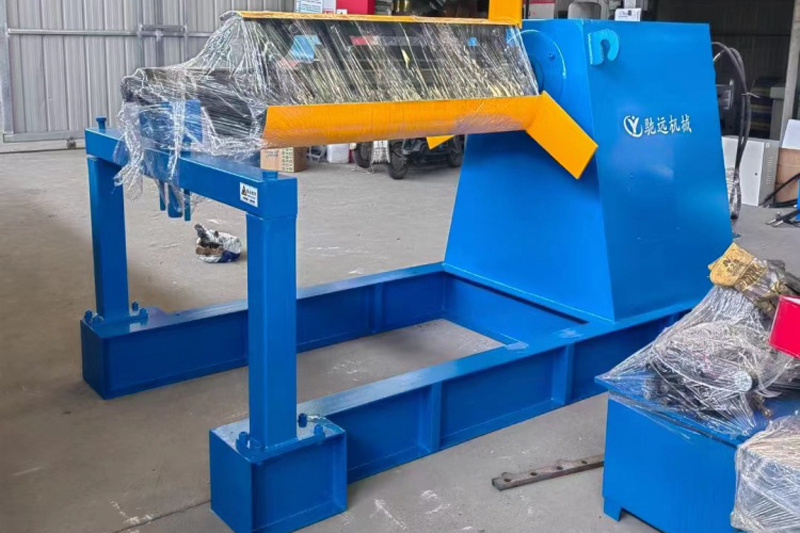
In the realm of manufacturing and processing machinery, glazed tile equipment plays a pivotal role in the production of high-quality ceramic tiles. These tiles are extensively used in various construction projects due to their aesthetic appeal and durability. Understanding the components and functionalities of glazed tile equipment is essential for professionals in the engineering and building sectors.
At the heart of glazed tile production is the pressing machine, which compresses clay mixtures into molds under high pressure. This process ensures that the tiles have uniform density and strength. Following pressing, the tiles undergo drying, where moisture content is reduced to prepare them for glazing. This step is crucial as excess moisture can lead to defects during the firing process.
The glazing process itself involves applying a liquid glass mixture to the tile surface, which, when fired, creates a smooth, glossy finish. The equipment used in this stage includes spray booths, dip tanks, and roller glaze applicators. Each of these machines serves a specific purpose, ensuring that the glaze is applied evenly and adheres properly to the tile.
After glazing, the tiles are subjected to high-temperature firing in a kiln. This is where the tiles gain their strength, durability, and final aesthetic properties. The kiln's temperature and firing duration are critical factors that influence the quality of the finished product. Advanced kiln designs, such as tunnel kilns, allow for continuous production and improved energy efficiency, making them a preferred choice in modern manufacturing settings.
Quality control is another vital aspect of glazed tile production. Equipment for testing tile strength, color consistency, and surface imperfections is essential to ensure compliance with industry standards. Implementing rigorous quality checks not only enhances the product's reliability but also builds trust with clients in the construction industry.
For manufacturers aiming to optimize their processes, investing in advanced glazed tile equipment can lead to significant improvements in efficiency and output. Automation technologies, including robotic arms for handling and packaging tiles, are becoming increasingly popular, allowing for reduced labor costs and minimized human error.
In summary, understanding glazed tile equipment is crucial for professionals in the manufacturing and construction industries. From pressing and glazing to firing and quality control, each stage of the process relies on specialized machinery to produce tiles that meet the demands of modern architecture. By keeping abreast of advancements in equipment technology and best practices, manufacturers can enhance their production capabilities and deliver superior products to the market.
At the heart of glazed tile production is the pressing machine, which compresses clay mixtures into molds under high pressure. This process ensures that the tiles have uniform density and strength. Following pressing, the tiles undergo drying, where moisture content is reduced to prepare them for glazing. This step is crucial as excess moisture can lead to defects during the firing process.
The glazing process itself involves applying a liquid glass mixture to the tile surface, which, when fired, creates a smooth, glossy finish. The equipment used in this stage includes spray booths, dip tanks, and roller glaze applicators. Each of these machines serves a specific purpose, ensuring that the glaze is applied evenly and adheres properly to the tile.
After glazing, the tiles are subjected to high-temperature firing in a kiln. This is where the tiles gain their strength, durability, and final aesthetic properties. The kiln's temperature and firing duration are critical factors that influence the quality of the finished product. Advanced kiln designs, such as tunnel kilns, allow for continuous production and improved energy efficiency, making them a preferred choice in modern manufacturing settings.
Quality control is another vital aspect of glazed tile production. Equipment for testing tile strength, color consistency, and surface imperfections is essential to ensure compliance with industry standards. Implementing rigorous quality checks not only enhances the product's reliability but also builds trust with clients in the construction industry.
For manufacturers aiming to optimize their processes, investing in advanced glazed tile equipment can lead to significant improvements in efficiency and output. Automation technologies, including robotic arms for handling and packaging tiles, are becoming increasingly popular, allowing for reduced labor costs and minimized human error.
In summary, understanding glazed tile equipment is crucial for professionals in the manufacturing and construction industries. From pressing and glazing to firing and quality control, each stage of the process relies on specialized machinery to produce tiles that meet the demands of modern architecture. By keeping abreast of advancements in equipment technology and best practices, manufacturers can enhance their production capabilities and deliver superior products to the market.
TAG:

Contact Us
E-mail :
chiyuan@chiyuanmachine.com
Phone/Wechat:
+86-13483837770
Address:
Botou Economic Development Zone, Cangzhou City, Hebei Province, China



Request Quote