Address:Botou, Cangzhou City, Hebei Province, China

A Comprehensive Guide to Operating Glazed Tile Equipment Safely
Jan 26,2025
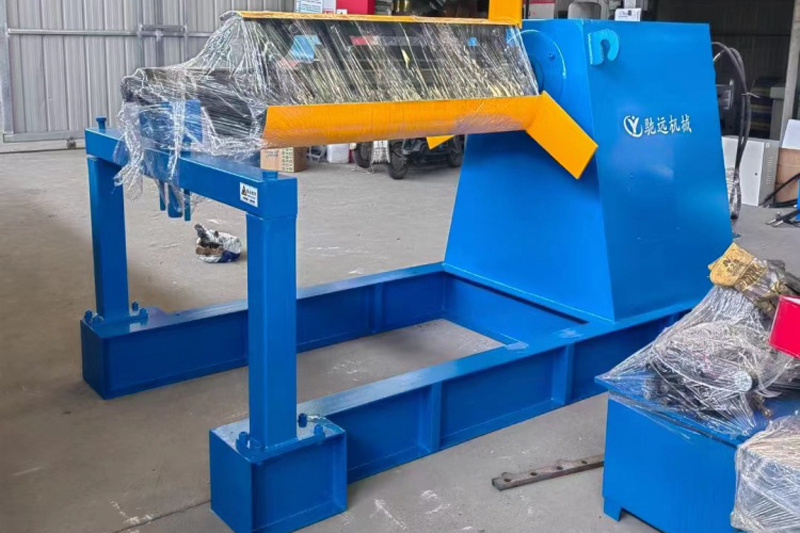
A Comprehensive Guide to Operating Glazed Tile Equipment Safely
Table of Contents
- 1. Introduction to Glazed Tile Equipment
- 2. Importance of Safety in Glazed Tile Operations
- 3. Types of Glazed Tile Equipment
- 4. Key Safety Protocols for Operating Glazed Tile Equipment
- 5. Essential Personal Protective Equipment (PPE)
- 6. Maintenance Best Practices for Safety
- 7. Training and Education for Operators
- 8. Common Issues and Troubleshooting
- 9. Conclusion
- 10. FAQs
1. Introduction to Glazed Tile Equipment
Operating glazed tile equipment is critical in the manufacturing and construction industries. These machines are designed to create high-quality glazed tiles, which are widely used in residential and commercial projects. Understanding how to operate this equipment safely is vital not only for the quality of the products but also for the safety of the workforce involved.
2. Importance of Safety in Glazed Tile Operations
Safety should always be the top priority when operating glazed tile equipment. **Inadequate safety measures can lead to severe accidents**, resulting in injuries, production delays, and potential legal implications. By adhering to safety protocols, operators can ensure a **secure working environment**, minimize risks, and promote a culture of safety within the organization.
3. Types of Glazed Tile Equipment
Understanding the various types of glazed tile equipment is essential for safe operation. Here are some common machines involved in the process:
3.1 Tile Cutting Machines
Tile cutting machines are used to cut tiles to specific dimensions. These machines can be manual or automated, with varying levels of complexity and safety features.
3.2 Glazing Machines
Glazing machines apply a protective and decorative layer of glaze to the tiles. They require precise operation to ensure an even application.
3.3 Drying Equipment
Drying equipment removes moisture from the tiles post-glazing. Operators must ensure proper loading and unloading techniques to prevent accidents.
3.4 Firing Kilns
Firing kilns are used to heat the tiles at high temperatures, which is crucial for setting the glaze. Due to the high temperatures involved, strict safety protocols must be followed when operating kilns.
4. Key Safety Protocols for Operating Glazed Tile Equipment
To ensure safety while operating glazed tile equipment, consider the following critical safety protocols:
4.1 Conduct Regular Inspections
Before operating any equipment, operators should conduct **thorough inspections** to identify any potential hazards or malfunctioning parts.
4.2 Follow Manufacturer's Guidelines
Each piece of equipment comes with a user manual outlining safe operating procedures. **Adhering** to these guidelines is essential for safe operation.
4.3 Maintain Clear Workspaces
Keeping workspaces free from clutter reduces the risk of accidents. Ensure that all tools and materials are stored safely away from operational areas.
4.4 Implement Lockout/Tagout Procedures
When performing maintenance or repairs, use lockout/tagout procedures to prevent accidental machine start-up. This practice is crucial for the safety of all personnel involved.
5. Essential Personal Protective Equipment (PPE)
Wearing the right **personal protective equipment (PPE)** is a fundamental aspect of safety in glazed tile operations. Essential PPE includes:
5.1 Safety Goggles
Protects the eyes from dust and debris during operation.
5.2 Ear Protection
Reduces exposure to loud noises from machinery, preventing hearing damage.
5.3 Gloves
Wearing cut-resistant gloves protects hands from sharp tiles and tools.
5.4 Respirators
When working with glazing materials, respirators can protect against inhalation of harmful chemicals.
6. Maintenance Best Practices for Safety
Regular maintenance is crucial not only for the longevity of glazed tile equipment but also for safety. Key maintenance practices include:
6.1 Schedule Routine Maintenance
Establish a routine maintenance schedule to check for wear and tear on machines. Regular servicing can prevent hazardous malfunctions.
6.2 Lubricate Moving Parts
Proper lubrication of moving parts reduces friction and wear, contributing to safer operation.
6.3 Replace Worn Components
Identify and replace any worn or damaged components immediately to prevent accidents during operation.
7. Training and Education for Operators
Proper training and education for operators are critical components of safety in glazed tile operations. Training should cover:
7.1 Equipment Operation
Operators must understand how to use each piece of equipment safely and efficiently.
7.2 Emergency Procedures
Training should include emergency protocols for various scenarios, such as equipment failure or personal injury.
7.3 Continuous Education
Encourage ongoing education and training to keep operators up-to-date with the latest safety practices and technologies.
8. Common Issues and Troubleshooting
Being aware of common issues that may arise during operations can help operators respond promptly. Some common problems include:
8.1 Equipment Malfunctions
Regularly check for signs of malfunction, such as unusual noises or vibrations, and address issues immediately.
8.2 Glazing Inconsistencies
Monitor the glazing process to ensure consistent application. Adjust machine settings as necessary to maintain quality.
8.4 Tile Breakage
Implementing proper handling techniques can help minimize tile breakage during transportation and processing.
9. Conclusion
Operating glazed tile equipment safely is paramount for ensuring a secure working environment and producing high-quality products. By adhering to established safety protocols, utilizing appropriate PPE, maintaining equipment regularly, and providing comprehensive training, organizations can significantly reduce the risk of accidents and enhance overall productivity. Remember that safety is not just a guideline; it is a fundamental commitment to everyone involved in the glazing tile process.
10. FAQs
10.1 What is glazed tile equipment used for?
Glazed tile equipment is primarily used for manufacturing tiles that are coated with a glass-like finish, offering aesthetic appeal and durability.
10.2 How can I ensure the safety of my glazing operations?
Implement safety protocols, conduct regular training, and maintain equipment to ensure a safe working environment.
10.3 What PPE is essential for operating glazed tile equipment?
Essential PPE includes safety goggles, ear protection, gloves, and respirators.
10.4 What should I do if I notice equipment malfunction?
Stop using the equipment immediately, report the issue, and perform necessary maintenance or repair before operation resumes.
10.5 How often should I conduct maintenance on my glazed tile equipment?
Routine maintenance should be scheduled based on the manufacturer's guidelines and usage frequency, typically every few months or after a specific amount of operational hours.
TAG:

Contact Us
E-mail :
chiyuan@chiyuanmachine.com
Phone/Wechat:
+86-13483837770
Address:
Botou Economic Development Zone, Cangzhou City, Hebei Province, China



Request Quote