Address:Botou, Cangzhou City, Hebei Province, China

Exploring the Versatility of CNC Slitting Machines in Various Industries
Jan 28,2025
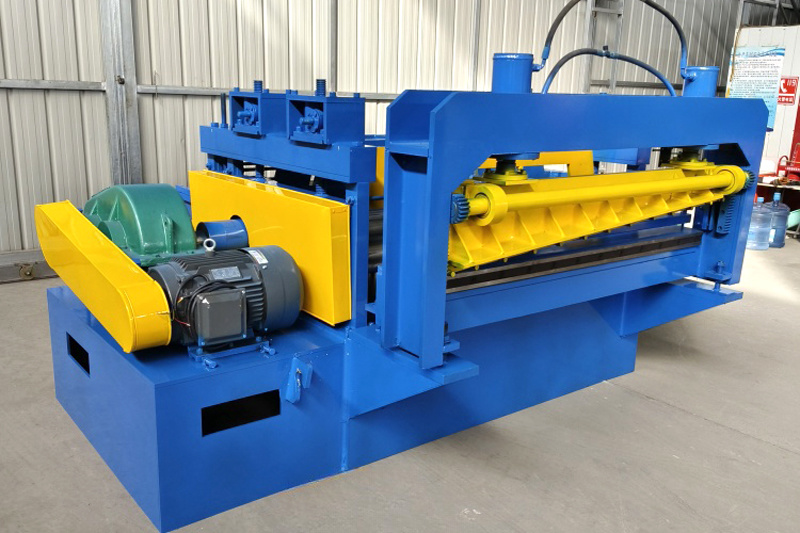
Exploring the Versatility of CNC Slitting Machines in Various Industries
Table of Contents
- 1. Introduction to CNC Slitting Machines
- 2. Understanding CNC Slitting Technology
- 3. Applications of CNC Slitting Machines in Various Industries
- 3.1 Automotive Industry
- 3.2 Aerospace Industry
- 3.3 Electronics Industry
- 3.4 Construction Industry
- 3.5 Packaging Industry
- 4. Benefits of CNC Slitting Machines
- 5. Key Features of CNC Slitting Machines
- 6. Maintenance Tips for Longevity
- 7. Future Trends in CNC Slitting Technology
- 8. Frequently Asked Questions (FAQs)
- 9. Conclusion
1. Introduction to CNC Slitting Machines
CNC slitting machines have emerged as pivotal tools in the manufacturing landscape, revolutionizing how materials are processed. These machines utilize computer numerical control (CNC) technology, allowing for precise cuts and efficient handling of various materials, including metal, paper, and plastic. The rise of CNC technology has transformed traditional slitting processes, offering unprecedented accuracy, speed, and reliability.
In this article, we will delve into the versatility of CNC slitting machines, exploring their applications across various industries, the benefits they bring, and the technology that powers them.
2. Understanding CNC Slitting Technology
CNC slitting machines operate through a series of programmed instructions that guide the cutting tools in performing slitting operations. This technology seamlessly integrates software with hardware, allowing for adjustments in speed, depth of cut, and blade angles.
CNC slitting is particularly effective for high-volume production runs, enabling manufacturers to achieve consistent results with minimal human intervention. The process typically involves the following components:
- **Feed Mechanism**: This controls the speed at which the material is fed into the machine.
- **Cutting Blades**: High-quality blades are essential for achieving clean cuts. These can be adjusted based on the material's thickness and type.
- **Control System**: The heart of the CNC machine, responsible for executing the programmed instructions.
- **Material Hold-Down**: Ensures that the material remains stable during the cutting process.
The precision offered by CNC slitting machines has made them favorable for industries that require high tolerance levels in their products.
3. Applications of CNC Slitting Machines in Various Industries
CNC slitting machines are highly adaptable and can be utilized in various sectors. Their precision and efficiency make them indispensable for industries that demand high-quality results.
3.1 Automotive Industry
In the automotive sector, CNC slitting machines play a crucial role in processing materials such as steel and aluminum for manufacturing parts. The ability to create intricate cuts ensures that components fit together seamlessly, enhancing the overall quality of vehicles. Moreover, CNC slitting machines can handle large quantities of materials, allowing automotive manufacturers to meet production demands without sacrificing quality.
3.2 Aerospace Industry
The aerospace industry requires parts that meet rigorous safety and quality standards. CNC slitting machines are utilized to fabricate lightweight yet strong components from various alloys. The precision in cutting achieved by CNC technology ensures that every part meets stringent specifications, critical for the performance and safety of aircraft.
3.3 Electronics Industry
In electronics manufacturing, CNC slitting machines are essential for cutting circuit boards and other components with high precision. The ability to create intricate patterns and designs allows for the production of complex electronic devices that are smaller and more efficient. Additionally, the automation of slitting processes reduces the risk of human error, leading to greater reliability in electronic products.
3.4 Construction Industry
The construction sector benefits from CNC slitting machines by producing high-quality metal sheets used in various applications, including roofing and siding. These machines ensure that metal components are cut to precise measurements, reducing waste and improving the overall efficiency of construction projects.
3.5 Packaging Industry
CNC slitting technology is also prevalent in the packaging industry, where it is used to cut flexible materials like plastic films and paper. The ability to customize cuts according to specific packaging requirements allows manufacturers to create innovative solutions that meet consumer demands while maintaining efficiency.
4. Benefits of CNC Slitting Machines
CNC slitting machines offer numerous advantages that enhance productivity and quality across various industries:
- **Precision Cutting**: The use of CNC technology allows for high levels of accuracy, reducing the margin of error in manufacturing processes.
- **Consistency**: Automated processes ensure that products are manufactured to the same specifications every time, promoting quality control.
- **Flexibility**: CNC slitting machines can be reprogrammed for different projects, making them versatile tools that can adapt to changing manufacturing needs.
- **Increased Production Speed**: Automation significantly reduces processing time compared to traditional methods, allowing for quicker turnaround on production runs.
- **Reduced Material Waste**: Precise cutting minimizes scrap material, leading to cost savings and a more sustainable manufacturing process.
5. Key Features of CNC Slitting Machines
When selecting a CNC slitting machine, it's essential to consider specific features that can enhance performance and productivity:
- **Programmable Controls**: Advanced control systems allow for easy programming and adjustments, enhancing usability.
- **High-Quality Blades**: Durable and sharp blades are critical for achieving clean cuts and maintaining machine efficiency.
- **Material Handling Systems**: Integrated systems for loading and unloading materials streamline operations.
- **Safety Features**: Automatic shut-off and safety guards protect operators and ensure safe operation.
- **Data Monitoring**: Many modern CNC machines offer real-time monitoring and feedback systems to optimize performance.
6. Maintenance Tips for Longevity
To ensure the longevity and optimal performance of CNC slitting machines, regular maintenance is crucial. Here are some tips to keep in mind:
- **Routine Inspections**: Regularly check for any signs of wear and tear on blades and components.
- **Lubrication**: Keep moving parts well-lubricated to prevent friction and overheating.
- **Calibration**: Frequently calibrate the machine to maintain accuracy in cutting operations.
- **Cleaning**: Keep the machine clean from debris and materials that could affect performance.
- **Professional Servicing**: Schedule periodic check-ups with professionals to address any underlying issues.
7. Future Trends in CNC Slitting Technology
The future of CNC slitting machines is promising, with advancements in technology poised to enhance their capabilities further. Some trends to watch include:
- **Smart Technology Integration**: The rise of the Internet of Things (IoT) will lead to smarter machines that can communicate and optimize their operations.
- **Enhanced Automation**: Increased automation will streamline processes and reduce human intervention, leading to greater efficiency.
- **Sustainable Manufacturing**: CNC slitting machines will increasingly focus on sustainability, minimizing waste and energy consumption.
- **Adaptive Cutting Technologies**: Innovations in blade design and cutting techniques will allow for handling a broader range of materials with varying thicknesses and properties.
8. Frequently Asked Questions (FAQs)
1. What types of materials can CNC slitting machines cut?
CNC slitting machines can cut a wide range of materials, including metals, plastics, paper, and composites, depending on the machine's specifications and blade design.
2. How do CNC slitting machines improve production efficiency?
By automating the cutting process, CNC slitting machines reduce processing time and the risk of human error, allowing for faster production cycles and higher output.
3. Can CNC slitting machines handle custom orders?
Yes, CNC slitting machines can be programmed to produce custom cuts, making them suitable for both standard and bespoke manufacturing requirements.
4. What maintenance is required for CNC slitting machines?
Routine inspections, lubrication, cleaning, and periodic professional servicing are essential to maintain the performance and longevity of CNC slitting machines.
5. What advancements can we expect in CNC slitting technology?
We can expect to see increased automation, smart technology integration, and sustainable manufacturing practices that enhance the capabilities and efficiency of CNC slitting machines.
9. Conclusion
CNC slitting machines are invaluable assets across various industries, thanks to their versatility, precision, and efficiency. From automotive to electronics, their applications are vast, making them essential for modern manufacturing processes. As technology continues to advance, we can anticipate even greater improvements in CNC slitting capabilities, ensuring that industries remain competitive and capable of meeting the demands of the future. Investing in CNC slitting technology is not only a step towards enhanced productivity but also a commitment to quality and innovation in manufacturing.
TAG:

Contact Us
E-mail :
chiyuan@chiyuanmachine.com
Phone/Wechat:
+86-13483837770
Address:
Botou Economic Development Zone, Cangzhou City, Hebei Province, China



Request Quote