Address:Botou, Cangzhou City, Hebei Province, China

Understanding Hydraulic Bending Machines: Applications and Benefits
Dec 03,2024
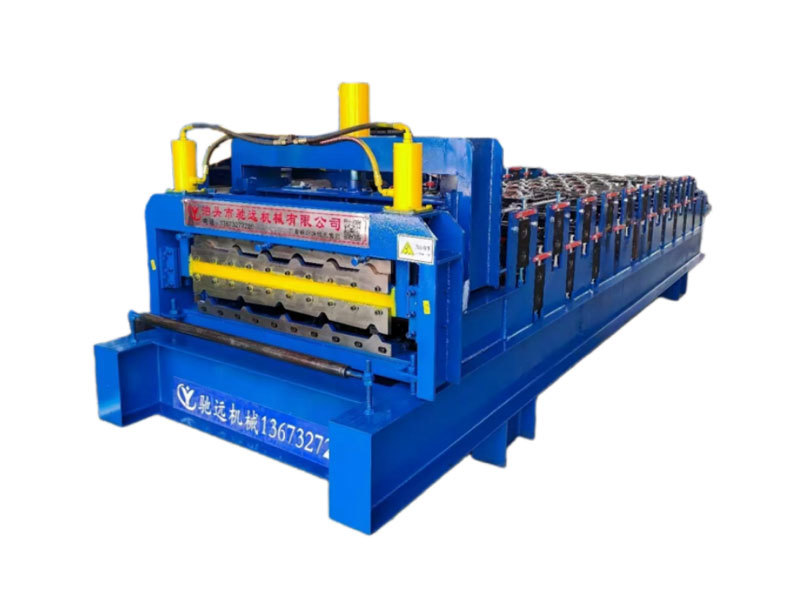
Hydraulic bending machines are vital tools in the industrial equipment and components sector, specifically within the realm of hydraulic machinery. These machines utilize hydraulic power to bend and shape metal materials, making them essential for various applications across multiple industries. Understanding the intricacies of hydraulic bending machines can help businesses optimize their manufacturing processes and improve overall efficiency.
At its core, a hydraulic bending machine operates by using a hydraulic system to apply force to a workpiece. The machine consists of several key components, including a hydraulic pump, cylinder, and bending die. When the hydraulic fluid is pumped into the cylinder, it generates immense pressure that forces the ram to move downwards, engaging the die and bending the material into the desired shape. This process allows for precise control over the bending angle and depth, ensuring consistent and repeatable results.
One of the primary advantages of hydraulic bending machines is their ability to handle a wide variety of materials, including thick sheets and large metal components. This versatility makes them suitable for numerous applications, such as manufacturing structural components, automotive parts, and custom metal fabrication. Furthermore, hydraulic bending machines can be easily programmed and adjusted, allowing for quick changes in production runs and contributing to increased operational efficiency.
In addition to their versatility, hydraulic bending machines are known for their high level of precision. The controlled nature of hydraulic systems means that operators can achieve tight tolerances, reducing wastage and minimizing errors during the production process. This precision is particularly important in industries where quality control is paramount, such as aerospace and construction.
Moreover, hydraulic bending machines are designed to be user-friendly, often incorporating advanced control systems and safety features. Operators can easily monitor the bending process and make real-time adjustments as needed, enhancing both productivity and safety in the workplace. These machines also typically require less physical effort compared to traditional manual bending methods, making them more ergonomically friendly for operators.
Maintenance is another critical aspect to consider when utilizing hydraulic bending machines. Regular inspections and servicing of hydraulic systems are essential to ensure optimal performance and longevity of the equipment. By adhering to a proactive maintenance schedule, businesses can minimize downtime and extend the lifecycle of their machines.
In conclusion, hydraulic bending machines play a crucial role in the industrial equipment sector, particularly in hydraulic engineering and machinery applications. Their versatility, precision, and user-friendly design make them a preferred choice for manufacturers looking to enhance their production capabilities. By understanding the benefits and features of hydraulic bending machines, businesses can make informed decisions that lead to improved efficiency and quality in their operations.
At its core, a hydraulic bending machine operates by using a hydraulic system to apply force to a workpiece. The machine consists of several key components, including a hydraulic pump, cylinder, and bending die. When the hydraulic fluid is pumped into the cylinder, it generates immense pressure that forces the ram to move downwards, engaging the die and bending the material into the desired shape. This process allows for precise control over the bending angle and depth, ensuring consistent and repeatable results.
One of the primary advantages of hydraulic bending machines is their ability to handle a wide variety of materials, including thick sheets and large metal components. This versatility makes them suitable for numerous applications, such as manufacturing structural components, automotive parts, and custom metal fabrication. Furthermore, hydraulic bending machines can be easily programmed and adjusted, allowing for quick changes in production runs and contributing to increased operational efficiency.
In addition to their versatility, hydraulic bending machines are known for their high level of precision. The controlled nature of hydraulic systems means that operators can achieve tight tolerances, reducing wastage and minimizing errors during the production process. This precision is particularly important in industries where quality control is paramount, such as aerospace and construction.
Moreover, hydraulic bending machines are designed to be user-friendly, often incorporating advanced control systems and safety features. Operators can easily monitor the bending process and make real-time adjustments as needed, enhancing both productivity and safety in the workplace. These machines also typically require less physical effort compared to traditional manual bending methods, making them more ergonomically friendly for operators.
Maintenance is another critical aspect to consider when utilizing hydraulic bending machines. Regular inspections and servicing of hydraulic systems are essential to ensure optimal performance and longevity of the equipment. By adhering to a proactive maintenance schedule, businesses can minimize downtime and extend the lifecycle of their machines.
In conclusion, hydraulic bending machines play a crucial role in the industrial equipment sector, particularly in hydraulic engineering and machinery applications. Their versatility, precision, and user-friendly design make them a preferred choice for manufacturers looking to enhance their production capabilities. By understanding the benefits and features of hydraulic bending machines, businesses can make informed decisions that lead to improved efficiency and quality in their operations.
TAG:

Contact Us
E-mail :
chiyuan@chiyuanmachine.com
Phone/Wechat:
+86-13483837770
Address:
Botou Economic Development Zone, Cangzhou City, Hebei Province, China



Request Quote