Address:Botou, Cangzhou City, Hebei Province, China

Optimizing Production: The Impact of Hydraulic Bending Machines on Efficiency
Dec 04,2024
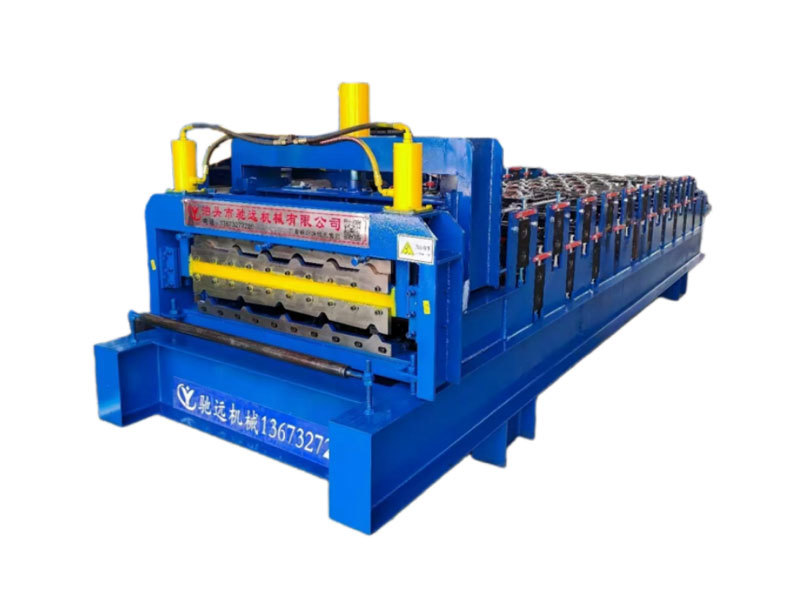
Optimizing Production: The Impact of Hydraulic Bending Machines on Efficiency
Table of Contents
- Introduction to Hydraulic Bending Machines
- Understanding Hydraulic Bending Machines
- Benefits of Hydraulic Bending Machines in Production
- Enhancing Efficiency in Manufacturing Processes
- Key Features of Hydraulic Bending Machines
- Applications Across Different Industries
- The Future of Hydraulic Technology in Manufacturing
- Frequently Asked Questions about Hydraulic Bending Machines
- Conclusion
Introduction to Hydraulic Bending Machines
In the fast-evolving landscape of industrial manufacturing, efficiency is paramount. One key player in enhancing production capabilities is the **hydraulic bending machine**. These machines employ hydraulic power to bend metal sheets and components with precision and speed, significantly contributing to the optimization of manufacturing processes. In this article, we will explore the various aspects of hydraulic bending machines, including their mechanics, benefits, and impact on production efficiency.
Understanding Hydraulic Bending Machines
Hydraulic bending machines utilize **hydraulic force** to create bends in materials. The core component of these machines is the hydraulic cylinder, which converts hydraulic energy into mechanical energy. The process involves the following steps:
How Hydraulic Bending Machines Work
1. **Hydraulic Fluid Application**: Hydraulic fluid is pumped into cylinders, creating pressure.
2. **Force Generation**: This pressure generates a force that pushes a ram, which is the part that performs the bending.
3. **Material Manipulation**: The material is placed on a die, and as the ram moves, it bends the material into the desired shape.
This method allows for greater flexibility in production, enabling manufacturers to work with various materials and thicknesses efficiently.
Benefits of Hydraulic Bending Machines in Production
The integration of hydraulic bending machines into production lines offers several key benefits:
1. Increased Precision and Consistency
Hydraulic systems provide a level of control that results in high precision. This consistency is crucial in industries where tolerances are tight, such as aerospace and automotive manufacturing.
2. Enhanced Speed and Efficiency
The rapid operation of hydraulic bending machines reduces cycle times, allowing manufacturers to increase output without compromising quality. This speed is vital in meeting tight deadlines and high customer demand.
3. Versatility Across Materials
Hydraulic bending machines can efficiently work with a wide range of materials, from thin sheets to thicker plates. This versatility makes them suitable for various applications, increasing their utility in production environments.
Enhancing Efficiency in Manufacturing Processes
Adopting hydraulic bending machines leads to significant improvements in overall manufacturing efficiency. Here are some ways these machines contribute:
1. Reduction of Material Waste
The precision of hydraulic bending minimizes the risk of material waste. Accurate bends reduce the need for post-processing and scrap material, saving costs and resources.
2. Streamlined Workflow
Hydraulic bending machines can be integrated into automated production lines, facilitating seamless workflows. Automation leads to reduced labor costs and improved safety by minimizing manual handling of heavy materials.
3. Improved Worker Safety
Hydraulic technology often requires less manual intervention, which enhances safety in the workplace. Operators can control machines from a distance, decreasing the likelihood of accidents related to heavy machinery.
Key Features of Hydraulic Bending Machines
To truly appreciate the value of hydraulic bending machines, let's delve into their notable features:
1. Adjustable Speed and Force Settings
Operators can adjust both the speed and force applied during the bending process. This flexibility allows for customization based on the specific material and required bend.
2. User-Friendly Interfaces
Modern hydraulic bending machines often feature intuitive control panels, making them accessible even to operators with limited experience. This ease of use contributes to faster training times and reduced downtime.
3. Robust Construction
These machines are typically built with durability in mind. High-quality materials and engineering ensure longevity and reliability, even under heavy use.
Applications Across Different Industries
Hydraulic bending machines find applications in various sectors, each benefiting from the efficiency they provide:
1. Automotive Manufacturing
In the automotive industry, precision is crucial for components like frames and body panels. Hydraulic bending machines facilitate the accurate shaping of these parts, enhancing assembly line efficiency.
2. Aerospace Engineering
The aerospace sector demands extreme precision and quality. Hydraulic bending machines enable manufacturers to meet stringent regulations while optimizing production time.
3. Construction and Architecture
In construction, hydraulic bending machines are essential for creating structural components, such as beams and supports. Their ability to handle large materials efficiently is invaluable in this industry.
The Future of Hydraulic Technology in Manufacturing
As industries evolve, so does the technology behind hydraulic bending machines. Emerging trends include:
1. Integration of Smart Technology
The future will see a more significant integration of IoT and AI in hydraulic systems. Smart bending machines will enable remote monitoring, predictive maintenance, and real-time data analysis, leading to even greater efficiency.
2. Sustainable Practices
Manufacturers are increasingly focusing on sustainability. Hydraulic systems that use biodegradable fluids and energy-efficient components are likely to become the norm.
3. Innovations in Design
Advancements in design will lead to lighter, more compact machines with enhanced capabilities, making hydraulic bending machines even more versatile.
Frequently Asked Questions about Hydraulic Bending Machines
1. What materials can be processed with hydraulic bending machines?
Hydraulic bending machines can process a variety of materials, including steel, aluminum, and other metals, as well as certain plastics.
2. How do I maintain a hydraulic bending machine?
Regular maintenance involves checking hydraulic fluid levels, inspecting seals and hoses for leaks, and ensuring all moving parts are lubricated and functioning correctly.
3. What is the difference between hydraulic and mechanical bending machines?
Hydraulic bending machines use fluid pressure to generate force, while mechanical machines rely on mechanical systems and motors. Hydraulic machines generally offer more flexibility and precision.
4. Are hydraulic bending machines suitable for small-scale production?
Yes, hydraulic bending machines can be beneficial for small-scale production as they offer high precision and are adaptable to various production needs.
5. What safety measures should be taken when operating hydraulic bending machines?
Operators should be trained, wear appropriate protective gear, and ensure that safety guards are in place. Regular maintenance checks can also help prevent accidents.
Conclusion
Hydraulic bending machines play a pivotal role in optimizing production efficiency across various industries. Their ability to deliver precision, speed, and versatility makes them essential in modern manufacturing. As technology continues to evolve, these machines are set to become even more integral to production processes, paving the way for innovative practices and enhanced operational capabilities. Investing in hydraulic bending machines not only streamlines workflows but also fosters a culture of safety and sustainability in manufacturing environments.
TAG:

Contact Us
E-mail :
chiyuan@chiyuanmachine.com
Phone/Wechat:
+86-13483837770
Address:
Botou Economic Development Zone, Cangzhou City, Hebei Province, China



Request Quote