Address:Botou, Cangzhou City, Hebei Province, China

Unleashing the Potential of Hydraulic Bending Machines in Industrial Applications
Dec 02,2024
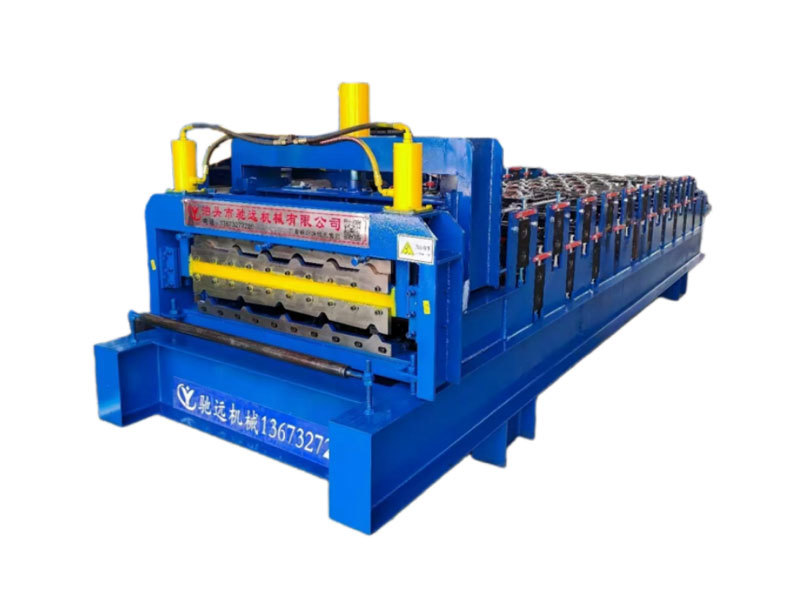
Unleashing the Potential of Hydraulic Bending Machines in Industrial Applications
Table of Contents
1. Introduction to Hydraulic Bending Machines
2. How Hydraulic Bending Machines Work
3. Key Advantages of Hydraulic Bending Machines
3.1 Enhanced Precision and Accuracy
3.2 Versatility in Material Handling
3.3 Improved Operational Efficiency
4. Applications in Various Industries
4.1 Manufacturing and Metal Fabrication
4.2 Construction and Heavy Equipment
4.3 Automotive and Aerospace Industries
5. Maintenance and Safety Considerations
6. Frequently Asked Questions (FAQs)
7. Conclusion
1. Introduction to Hydraulic Bending Machines
Hydraulic bending machines play a critical role in modern industrial processes by providing a powerful and efficient means of shaping metal and other materials. These machines utilize hydraulic force to bend materials into precise angles and shapes, making them indispensable in a variety of sectors. Their ability to handle robust materials with ease underlines their relevance in today’s manufacturing landscape.
2. How Hydraulic Bending Machines Work
Hydraulic bending machines operate by applying hydraulic pressure to a ram, which pushes a die against a material, causing it to bend. The fundamental components include a hydraulic pump, cylinder, ram, and control system. The hydraulic pump is responsible for generating pressure by moving hydraulic fluid. This fluid travels through hoses to the cylinder, where it is transformed into mechanical force that bends the material.
The bending process involves several key phases: loading the material, positioning it correctly, and executing the bend. Operators can adjust parameters such as angle and speed, ensuring custom bends according to specification. This flexibility allows for a wide range of applications in both small-scale operations and large industrial setups.
3. Key Advantages of Hydraulic Bending Machines
3.1 Enhanced Precision and Accuracy
One of the standout features of hydraulic bending machines is their **precision**. They can produce consistent and repeatable bends, which is essential in industries where dimensional accuracy is critical. Advanced control systems ensure that each bend conforms to tolerances, minimizing errors and waste.
3.2 Versatility in Material Handling
Hydraulic bending machines accommodate various materials, including steel, aluminum, and plastic. Their capability to work with different thicknesses makes them suitable for diverse applications. This versatility allows manufacturers to streamline operations by handling multiple tasks with a single machine.
3.3 Improved Operational Efficiency
The hydraulic mechanism provides significant **efficiency** advantages over traditional mechanical bending methods. Hydraulic machines can bend materials faster and with less manual input, reducing labor costs and time. The use of hydraulic power enables operators to execute complex shapes and designs that would be challenging with other methods.
4. Applications in Various Industries
4.1 Manufacturing and Metal Fabrication
In manufacturing, hydraulic bending machines are essential for producing components for various products. From metal frames to brackets, the precision offered by these machines is vital in the fabrication process. Industries such as appliance manufacturing and construction rely heavily on accurate metal bending.
4.2 Construction and Heavy Equipment
Hydraulic bending machines are also widely used in the construction sector for fabricating structural components. Beams and frames require precise bends to ensure strength and stability, making hydraulic machines an invaluable asset. Their ability to handle large materials and perform heavy-duty tasks aligns perfectly with the demands of construction projects.
4.3 Automotive and Aerospace Industries
In the automotive and aerospace sectors, the need for lightweight yet strong components is crucial. Hydraulic bending machines facilitate the production of intricate parts that meet stringent safety and performance standards. Their adaptability allows for the creation of complex shapes that enhance aerodynamics and fuel efficiency in vehicles.
5. Maintenance and Safety Considerations
To ensure the longevity and optimal performance of hydraulic bending machines, regular maintenance is imperative. Operators should routinely check hydraulic fluid levels and inspect hoses for leaks. Furthermore, maintaining cleanliness around the machine helps prevent contamination that could impact performance.
Safety protocols are essential during operation. Operators must be trained in the correct use of machinery, including emergency shut-off procedures. Using proper personal protective equipment (PPE) is also mandated to safeguard against potential hazards.
6. Frequently Asked Questions (FAQs)
What materials can hydraulic bending machines work with?
Hydraulic bending machines can work with a variety of materials, including metals like aluminum and steel, as well as plastics and composites.
How accurate are hydraulic bending machines?
Hydraulic bending machines are known for their high precision, often achieving tolerances of ±0.1 mm, depending on the machine and setup.
What industries benefit from hydraulic bending machines?
Industries such as manufacturing, construction, automotive, and aerospace significantly benefit from hydraulic bending machines due to their versatility and efficiency.
How do I maintain a hydraulic bending machine?
Regular maintenance includes checking hydraulic fluid levels, inspecting hoses for leaks, cleaning the machine, and ensuring that all components are properly lubricated.
What are the safety considerations when using hydraulic bending machines?
Safety considerations include proper training for operators, the use of personal protective equipment (PPE), and adherence to safety protocols such as emergency shut-off procedures.
7. Conclusion
Hydraulic bending machines represent a **transformative force** in industrial applications, enhancing efficiency, precision, and versatility across various sectors. Their ability to handle a wide range of materials while maintaining strict tolerances makes them indispensable in manufacturing, construction, and beyond. As industries continue to evolve, embracing the power of hydraulic technology will be crucial for maintaining competitive advantage and meeting the ever-growing demands of the market. By understanding the intricacies of hydraulic bending machines and their applications, industry professionals can make informed decisions, optimize their processes, and ultimately unleash the full potential of these remarkable machines.
TAG:

Contact Us
E-mail :
chiyuan@chiyuanmachine.com
Phone/Wechat:
+86-13483837770
Address:
Botou Economic Development Zone, Cangzhou City, Hebei Province, China



Request Quote