Address:Botou, Cangzhou City, Hebei Province, China

The Essential Guide to Hydraulic Uncoilers: Enhancing Efficiency in Industrial Operations
Nov 21,2024
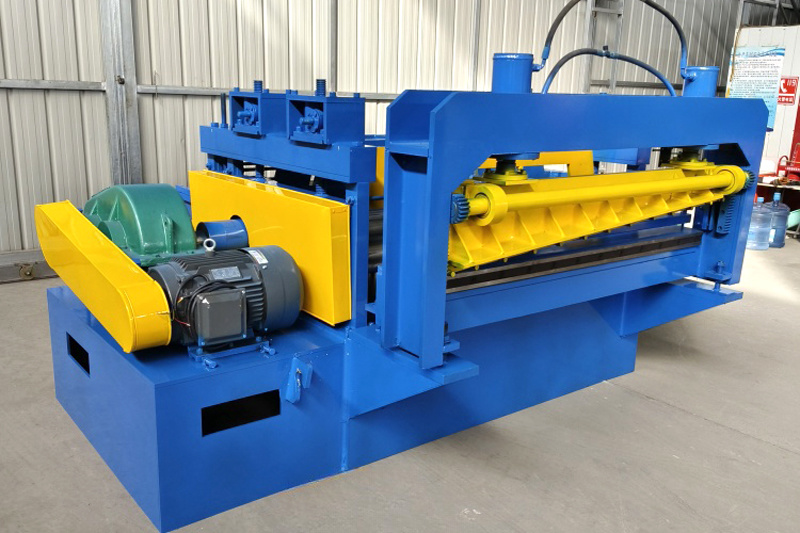
Hydraulic uncoilers are integral components in various industrial operations, particularly in the fabrication and manufacturing sectors. These devices primarily serve to unwind coils of material, such as metal or plastic, in a controlled and efficient manner. By utilizing hydraulic systems, uncoilers provide the necessary force to handle heavy coils without manual intervention, streamlining the workflow in factories and production lines.
The fundamental design of a hydraulic uncoiler typically includes a robust frame, a hydraulic power unit, and a spindle for holding the coil. The hydraulic system allows for smooth and adjustable tension control, ensuring that the material unwinds evenly and reduces the risk of damage. This is crucial in operations where precision is key, such as in the automotive or aerospace industries, where materials need to be handled delicately.
One of the significant advantages of hydraulic uncoilers is their ability to handle large and heavy coils. Traditional mechanical uncoilers may struggle with the weight and size of certain materials, leading to potential safety hazards and inefficiencies. In contrast, hydraulic uncoilers can accommodate these challenges with ease, providing operators with a safer and more reliable solution. Additionally, the automation capabilities of hydraulic systems can enhance productivity by minimizing manual labor and reducing downtime.
In terms of applications, hydraulic uncoilers are widely used in metal processing, printing, and textile industries. They play a crucial role in the production line by ensuring a consistent supply of material to downstream processes. For instance, in metal stamping operations, a hydraulic uncoiler can feed metal strips seamlessly into stamping machines, thereby improving the overall speed and efficiency of production.
Moreover, hydraulic uncoilers can be customized to fit specific operational needs. Variations in design and functionality allow businesses to select uncoilers that best match their material types and production requirements. Features such as variable speed control, automatic feed systems, and integrated sensors for monitoring coil tension can further enhance the performance of these machines.
In conclusion, the hydraulic uncoiler is an essential piece of equipment that significantly contributes to the efficiency and safety of industrial operations. By understanding its functionality and benefits, businesses can make informed decisions about integrating this technology into their production processes. Whether dealing with heavy-duty materials or seeking to optimize workflow, hydraulic uncoilers present a reliable solution for modern industrial challenges.
The fundamental design of a hydraulic uncoiler typically includes a robust frame, a hydraulic power unit, and a spindle for holding the coil. The hydraulic system allows for smooth and adjustable tension control, ensuring that the material unwinds evenly and reduces the risk of damage. This is crucial in operations where precision is key, such as in the automotive or aerospace industries, where materials need to be handled delicately.
One of the significant advantages of hydraulic uncoilers is their ability to handle large and heavy coils. Traditional mechanical uncoilers may struggle with the weight and size of certain materials, leading to potential safety hazards and inefficiencies. In contrast, hydraulic uncoilers can accommodate these challenges with ease, providing operators with a safer and more reliable solution. Additionally, the automation capabilities of hydraulic systems can enhance productivity by minimizing manual labor and reducing downtime.
In terms of applications, hydraulic uncoilers are widely used in metal processing, printing, and textile industries. They play a crucial role in the production line by ensuring a consistent supply of material to downstream processes. For instance, in metal stamping operations, a hydraulic uncoiler can feed metal strips seamlessly into stamping machines, thereby improving the overall speed and efficiency of production.
Moreover, hydraulic uncoilers can be customized to fit specific operational needs. Variations in design and functionality allow businesses to select uncoilers that best match their material types and production requirements. Features such as variable speed control, automatic feed systems, and integrated sensors for monitoring coil tension can further enhance the performance of these machines.
In conclusion, the hydraulic uncoiler is an essential piece of equipment that significantly contributes to the efficiency and safety of industrial operations. By understanding its functionality and benefits, businesses can make informed decisions about integrating this technology into their production processes. Whether dealing with heavy-duty materials or seeking to optimize workflow, hydraulic uncoilers present a reliable solution for modern industrial challenges.
TAG:

Contact Us
E-mail :
chiyuan@chiyuanmachine.com
Phone/Wechat:
+86-13483837770
Address:
Botou Economic Development Zone, Cangzhou City, Hebei Province, China



Request Quote