Address:Botou, Cangzhou City, Hebei Province, China

Revolutionizing Industrial Operations: The Impact of Hydraulic Uncoilers
Nov 22,2024
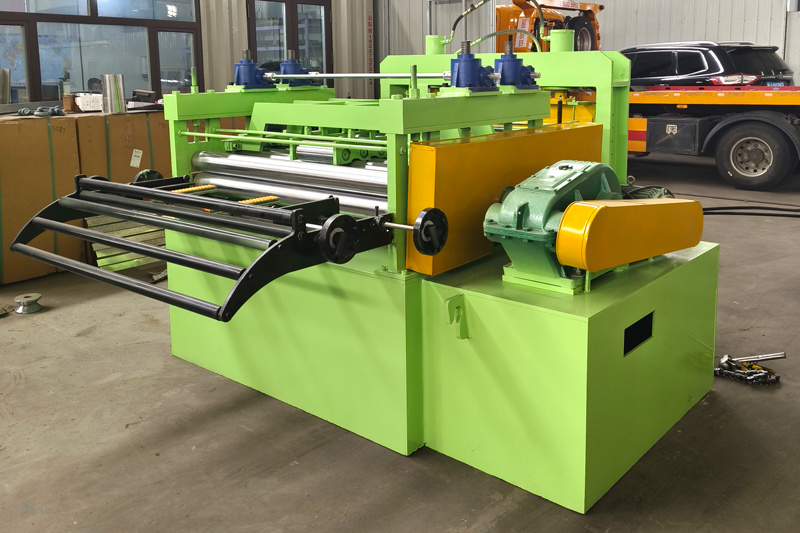
Revolutionizing Industrial Operations: The Impact of Hydraulic Uncoilers
Table of Contents
- 1. Introduction to Hydraulic Uncoilers
- 2. Understanding the Mechanism of Hydraulic Uncoilers
- 3. Key Benefits of Hydraulic Uncoilers in Industrial Settings
- 4. Applications of Hydraulic Uncoilers in Various Industries
- 5. Selecting the Right Hydraulic Uncoiler for Your Operations
- 6. Maintenance and Care for Hydraulic Uncoilers
- 7. FAQs About Hydraulic Uncoilers
- 8. Conclusion: Embracing the Future with Hydraulic Uncoilers
1. Introduction to Hydraulic Uncoilers
In the realm of industrial operations, efficiency and reliability stand as the cornerstones of productivity. One innovation that has significantly enhanced these aspects is the hydraulic uncoiler. These powerful machines facilitate the handling and processing of materials, particularly in industries reliant on large rolls of metal, plastic, or paper. By automating the uncoiling process, hydraulic uncoilers minimize labor costs and reduce the risk of damage to materials.
2. Understanding the Mechanism of Hydraulic Uncoilers
Hydraulic uncoilers operate using hydraulic power to unwind coils of materials smoothly and efficiently. The fundamental components include:
2.1 Hydraulic System
The hydraulic system consists of a pump, reservoir, and motors, which generate the necessary force to control the uncoiling process. The system's precision ensures that the material is unwound at an even speed, avoiding tangles and stress that could lead to material damage.
2.2 Control Mechanisms
Modern hydraulic uncoilers come equipped with advanced control mechanisms that allow operators to set the unwinding speed, tension, and other parameters. This adaptability makes hydraulic uncoilers suitable for various materials and applications.
2.3 Frame and Support Structures
The uncoiler's frame is designed to support heavy rolls, often weighing several tons. Constructed from high-quality steel, these structures ensure stability during operation, which is crucial for maintaining safety and efficiency.
3. Key Benefits of Hydraulic Uncoilers in Industrial Settings
The integration of hydraulic uncoilers into manufacturing processes brings about numerous advantages:
3.1 Enhanced Efficiency
Hydraulic uncoilers dramatically increase material handling speed, allowing for continuous processing without manual intervention. This leads to higher output rates and improved workflow.
3.2 Reduced Labor Costs
By automating the uncoiling process, companies can reduce the number of employees required for manual handling. This not only lowers labor costs but also minimizes the risk of workplace injuries associated with manual material handling.
3.3 Improved Material Quality
With hydraulic uncoilers, materials are unwound in a controlled manner, reducing the likelihood of deformation or damage. This ensures that the final products maintain high quality, meeting industry standards.
3.4 Versatility
Hydraulic uncoilers are adaptable to various materials, including metals, plastics, and paper. Their versatility makes them invaluable in multiple sectors such as automotive, aerospace, and packaging.
4. Applications of Hydraulic Uncoilers in Various Industries
The versatility of hydraulic uncoilers extends across several sectors, each benefiting uniquely from their implementation:
4.1 Automotive Industry
In automotive manufacturing, hydraulic uncoilers play a crucial role in processing sheet metal for vehicle assembly. Their ability to handle large rolls of steel significantly optimizes production lines.
4.2 Aerospace Industry
Aerospace components often require precise material handling. Hydraulic uncoilers deliver the accuracy and control necessary for unwinding delicate materials without compromising their integrity.
4.4 Packaging Industry
In packaging, hydraulic uncoilers facilitate the processing of flexible materials like films and foils, ensuring efficient production workflows while maintaining material quality.
5. Selecting the Right Hydraulic Uncoiler for Your Operations
Choosing the right hydraulic uncoiler is critical for optimizing performance. Consider the following factors:
5.1 Material Specifications
Evaluate the type and weight of the materials you will be unwinding. Different uncoilers are designed for specific material types and weights.
5.2 Production Volume
Assess your production requirements. High-volume operations may need larger, more robust uncoilers that can handle continuous operation without downtime.
5.3 Space Constraints
Consider the available space in your facility. Compact models are available for operations with limited space, while larger setups may require more extensive configurations.
6. Maintenance and Care for Hydraulic Uncoilers
To ensure longevity and optimal performance, regular maintenance of hydraulic uncoilers is essential:
6.1 Regular Inspections
Routine inspections help identify wear and tear on parts, enabling timely repairs. Check hydraulic fluid levels, seals, and hoses for any signs of degradation.
6.2 Cleaning and Lubrication
Keeping components clean and well-lubricated prevents build-up and ensures smooth operation. Regularly clean the hydraulic system and apply lubricants to moving parts.
6.3 Training Operators
Proper training for operators is vital. Educating them on safe operation and maintenance protocols can prevent costly mistakes and enhance overall safety in the workplace.
7. FAQs About Hydraulic Uncoilers
7.1 What materials can hydraulic uncoilers handle?
Hydraulic uncoilers can handle a wide range of materials, including metals, plastics, and paper, making them versatile for various industries.
7.2 How do I determine the right size of hydraulic uncoiler?
The right size depends on the weight and type of material you will be uncoiling. Assess your production needs and consult with manufacturers for recommendations.
7.3 Are hydraulic uncoilers safe to operate?
Yes, hydraulic uncoilers are designed with safety features. However, proper operator training and regular maintenance are crucial to ensure safe operation.
7.4 Can hydraulic uncoilers be automated?
Yes, many hydraulic uncoilers come with automation options that integrate seamlessly into production lines, enhancing efficiency.
7.5 What is the average lifespan of a hydraulic uncoiler?
The lifespan varies based on usage and maintenance but can typically range from 10 to 20 years with proper care.
8. Conclusion: Embracing the Future with Hydraulic Uncoilers
Hydraulic uncoilers are not just machines; they represent a significant advancement in industrial operations. By enhancing efficiency, reducing costs, and ensuring the integrity of materials, they empower industries to thrive in an increasingly competitive market. As we move forward, embracing innovations like hydraulic uncoilers will be essential for businesses aiming to optimize their operations and achieve sustainable growth. Adopting these technologies paves the way for a more efficient, cost-effective future in manufacturing and processing.
TAG:
PREVIOUS:

Contact Us
E-mail :
chiyuan@chiyuanmachine.com
Phone/Wechat:
+86-13483837770
Address:
Botou Economic Development Zone, Cangzhou City, Hebei Province, China



Request Quote