Address:Botou, Cangzhou City, Hebei Province, China

Mastering Precision: The Art of Hydraulic Uncoiling Technology for Industrial Applications
Nov 20,2024
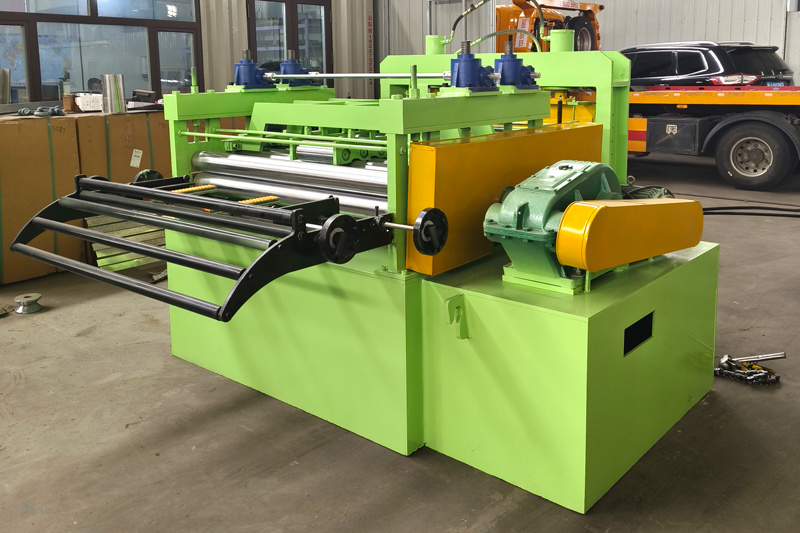
Mastering Precision: The Art of Hydraulic Uncoiling Technology
Table of Contents
- Understanding Hydraulic Uncoiling Technology
- The Principles of Hydraulic Systems
- Key Components of Hydraulic Uncoiling Systems
- Applications of Hydraulic Uncoiling Technology
- Advantages of Hydraulic Uncoiling Systems
- Best Practices for Implementing Hydraulic Uncoiling
- The Future of Hydraulic Uncoiling Technology
- Frequently Asked Questions
Understanding Hydraulic Uncoiling Technology
Hydraulic uncoiling technology plays an essential role in various industrial applications, particularly in processing materials such as metal coils, wires, and other elongated products. This advanced technology utilizes the principles of hydraulics to uncoil materials with precision and efficiency. Understanding the mechanics behind hydraulic systems is crucial for anyone looking to enhance manufacturing processes.
The process begins with a hydraulic cylinder that generates linear motion through the pressurization of hydraulic fluid. This motion is harnessed to uncoil materials from a tightly wound state, facilitating seamless operations in manufacturing lines.
The Principles of Hydraulic Systems
At the heart of hydraulic uncoiling technology lies the fundamental principles of hydraulics. These principles are based on Pascal's Law, which states that pressure applied to a confined fluid is transmitted undiminished in all directions. This allows hydraulic systems to multiply force and achieve significant lifting and moving capabilities with minimal energy input.
Key components of hydraulic systems include:
- **Hydraulic Fluid**: The lifeblood of any hydraulic system, providing the necessary force for operation.
- **Hydraulic Pumps**: These devices convert mechanical energy into hydraulic energy, creating pressure in the system.
- **Hydraulic Cylinders**: These components convert hydraulic energy back into mechanical energy to perform work.
Understanding these components' roles is critical for optimizing hydraulic uncoiling technology.
Key Components of Hydraulic Uncoiling Systems
A hydraulic uncoiling system consists of several critical components that work in unison to ensure efficient operation. These include:
Hydraulic Power Unit
The hydraulic power unit (HPU) is the central component of any hydraulic system. It houses the hydraulic pump, reservoir, and control valves. The HPU generates the hydraulic fluid pressure needed to drive the uncoiling process.
Control Valves
Control valves regulate the flow of hydraulic fluid, allowing operators to control the speed and direction of the uncoiling process. Advanced systems may utilize proportional or servo valves to achieve precise control.
Hydraulic Cylinders
Hydraulic cylinders are responsible for the mechanical motion of uncoiling. When hydraulic fluid enters the cylinder, it pushes the piston, creating linear motion that unwinds the material.
Feed Mechanism
The feed mechanism is designed to guide the material as it unwinds. It ensures consistent feed rates, preventing material jams and ensuring a smooth operation.
Applications of Hydraulic Uncoiling Technology
Hydraulic uncoiling technology is widely used across various industries, showcasing its versatility and efficiency. Key applications include:
Metal Processing
In metalworking industries, hydraulic uncoiling systems are utilized for processing coils of steel, aluminum, and other metals. The precision of hydraulic systems ensures the integrity of materials during uncoiling.
Wire Drawing
Wire drawing operations benefit significantly from hydraulic uncoiling technology. The ability to control tension and speed ensures high-quality wire production.
Textiles and Fabrics
In textile manufacturing, hydraulic uncoiling systems are essential for unwinding rolls of fabric. This technology reduces wear and tear on materials, improving overall production efficiency.
Advantages of Hydraulic Uncoiling Systems
Utilizing hydraulic uncoiling technology offers numerous advantages that enhance productivity and efficiency in industrial operations:
Precision and Control
Hydraulic systems provide unmatched precision, allowing operators to control the uncoiling speed and tension accurately. This reduces the risk of material damage and ensures consistent output quality.
Increased Efficiency
Hydraulic uncoiling systems can operate continuously with minimal downtime. This efficiency leads to higher production rates and reduced operational costs.
Reduced Labor Intensity
Automating the uncoiling process minimizes the need for manual labor. This not only cuts labor costs but also enhances worker safety by reducing the risk of injury associated with manual handling.
Best Practices for Implementing Hydraulic Uncoiling
To maximize the benefits of hydraulic uncoiling technology, it's essential to implement best practices in design and operation:
Regular Maintenance
Routine maintenance of hydraulic systems is crucial to ensure optimal performance. This includes checking fluid levels, inspecting for leaks, and replacing worn components.
Training Operators
Investing in operator training ensures that personnel are familiar with the system's operation and can troubleshoot issues when they arise.
System Customization
Tailoring hydraulic uncoiling systems to meet specific operational needs can significantly enhance performance. Customizing feed mechanisms and control systems allows for greater adaptability in various applications.
The Future of Hydraulic Uncoiling Technology
As technology advances, the future of hydraulic uncoiling looks promising. Innovations in automation, sensor technology, and data analytics are set to enhance the capabilities of hydraulic systems.
Integration with IoT
The Internet of Things (IoT) is expected to revolutionize hydraulic uncoiling systems by enabling real-time monitoring and data analysis. This connectivity will allow for predictive maintenance and improved operational efficiency.
Smart Control Systems
Emerging smart control systems will offer enhanced precision and adaptability, allowing for better integration with other manufacturing processes. These systems will leverage machine learning to optimize uncoiling operations continually.
Frequently Asked Questions
1. What is hydraulic uncoiling technology?
Hydraulic uncoiling technology involves using hydraulic systems to unwind materials like metal coils and wire, improving precision and efficiency in industrial operations.
2. How does hydraulic uncoiling compare to mechanical uncoiling?
Hydraulic uncoiling offers greater precision and control compared to mechanical systems, reducing the risk of material damage and enhancing overall efficiency.
3. What industries benefit from hydraulic uncoiling technology?
Industries such as metal processing, wire drawing, and textiles benefit significantly from hydraulic uncoiling due to its efficiency and precision.
4. What are the key components of a hydraulic uncoiling system?
Key components include the hydraulic power unit, control valves, hydraulic cylinders, and feed mechanisms.
5. How can I improve the performance of my hydraulic uncoiling system?
Regular maintenance, operator training, and system customization are effective ways to enhance the performance of hydraulic uncoiling systems.
Conclusion
Hydraulic uncoiling technology represents a significant advancement in industrial processing, offering precision, efficiency, and adaptability across a variety of applications. By understanding the underlying principles, key components, and best practices for implementation, industries can fully leverage the benefits of this innovative technology. As we move forward into a future driven by automation and smart technology, hydraulic uncoiling systems are poised to become even more integral to manufacturing operations worldwide. By investing in these systems now, companies can position themselves for success in a rapidly evolving industrial landscape.
TAG:

Contact Us
E-mail :
chiyuan@chiyuanmachine.com
Phone/Wechat:
+86-13483837770
Address:
Botou Economic Development Zone, Cangzhou City, Hebei Province, China



Request Quote