Address:Botou, Cangzhou City, Hebei Province, China

The Comprehensive Guide to Hydraulic Bending Machines: Understanding Their Functionality and Benefits
Oct 18,2024
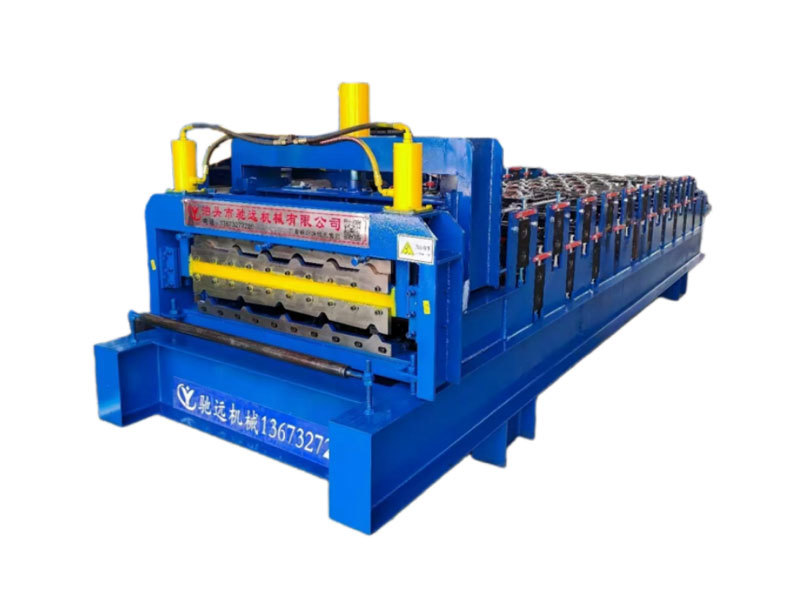
Hydraulic bending machines are vital tools in the industrial sector, specifically within the hydraulic engineering machinery category. These machines are designed to bend materials, particularly metal sheets and plates, to precise angles and shapes using hydraulic power. The core principle behind hydraulic bending is based on Pascal's law, which states that pressure applied to a confined fluid is transmitted undiminished in all directions. This fundamental principle enables hydraulic bending machines to exert significant force, making them capable of handling thick materials with ease.
One of the most critical components of a hydraulic bending machine is its hydraulic system, which typically includes a pump, cylinders, and a control system. The hydraulic pump generates pressure, which is then transferred to the cylinders. As the hydraulic fluid moves through the system, it pushes the bending ram, which applies the necessary force to the material being bent. The precision of this process can be enhanced with advanced control systems that allow operators to set specific bending angles and speeds, ensuring consistent results.
Hydraulic bending machines are widely used across various industries, including construction, automotive, aerospace, and manufacturing. In construction, they are employed to create structural components, while in automotive manufacturing, they help produce chassis and body parts. Their versatility extends to the aerospace sector, where they are used to fabricate components that require exact specifications and tolerances.
The benefits of hydraulic bending machines are manifold. Firstly, they offer high precision and accuracy, making it easier to achieve the desired bend without the risk of damaging the material. Secondly, their ability to handle a wide range of materials—such as steel, aluminum, and brass—makes them suitable for diverse applications. Additionally, the hydraulic system provides a smoother operation compared to mechanical bending methods, resulting in less wear and tear on the machine and materials.
Another advantage is the efficiency of hydraulic bending machines. They can operate at higher speeds and with greater force, reducing production times and increasing overall output. This efficiency is particularly beneficial in high-volume manufacturing environments where time and cost savings are crucial.
In conclusion, hydraulic bending machines play an essential role in the industrial equipment landscape, particularly in the hydraulic engineering machinery sector. Their ability to deliver precise bends and handle various materials makes them indispensable for numerous applications. When considering the integration of hydraulic bending machines into your operations, understanding their functionality and benefits can help optimize your processes and improve overall productivity.
One of the most critical components of a hydraulic bending machine is its hydraulic system, which typically includes a pump, cylinders, and a control system. The hydraulic pump generates pressure, which is then transferred to the cylinders. As the hydraulic fluid moves through the system, it pushes the bending ram, which applies the necessary force to the material being bent. The precision of this process can be enhanced with advanced control systems that allow operators to set specific bending angles and speeds, ensuring consistent results.
Hydraulic bending machines are widely used across various industries, including construction, automotive, aerospace, and manufacturing. In construction, they are employed to create structural components, while in automotive manufacturing, they help produce chassis and body parts. Their versatility extends to the aerospace sector, where they are used to fabricate components that require exact specifications and tolerances.
The benefits of hydraulic bending machines are manifold. Firstly, they offer high precision and accuracy, making it easier to achieve the desired bend without the risk of damaging the material. Secondly, their ability to handle a wide range of materials—such as steel, aluminum, and brass—makes them suitable for diverse applications. Additionally, the hydraulic system provides a smoother operation compared to mechanical bending methods, resulting in less wear and tear on the machine and materials.
Another advantage is the efficiency of hydraulic bending machines. They can operate at higher speeds and with greater force, reducing production times and increasing overall output. This efficiency is particularly beneficial in high-volume manufacturing environments where time and cost savings are crucial.
In conclusion, hydraulic bending machines play an essential role in the industrial equipment landscape, particularly in the hydraulic engineering machinery sector. Their ability to deliver precise bends and handle various materials makes them indispensable for numerous applications. When considering the integration of hydraulic bending machines into your operations, understanding their functionality and benefits can help optimize your processes and improve overall productivity.
TAG:

Contact Us
E-mail :
chiyuan@chiyuanmachine.com
Phone/Wechat:
+86-13483837770
Address:
Botou Economic Development Zone, Cangzhou City, Hebei Province, China



Request Quote