Address:Botou, Cangzhou City, Hebei Province, China

Elevating Precision Engineering with Hydraulic Bending Machines: A Comprehensive Guide
Oct 19,2024
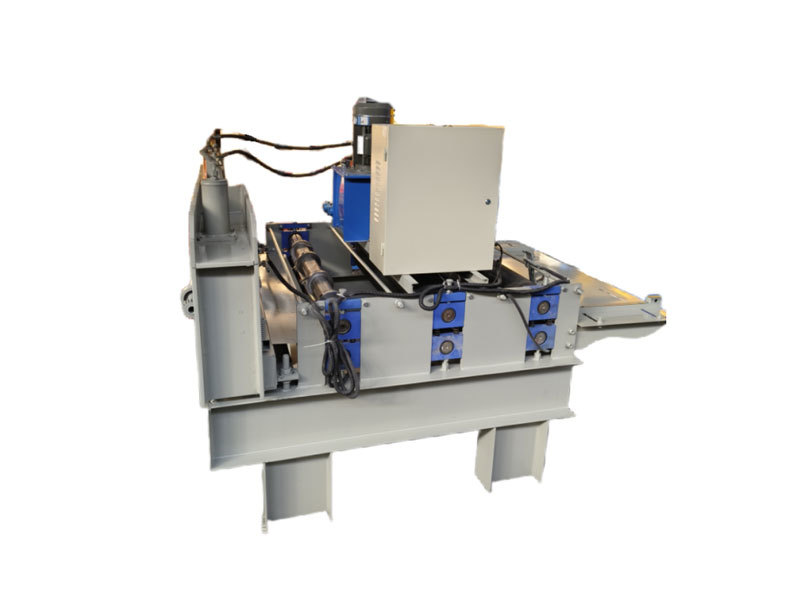
Elevating Precision Engineering with Hydraulic Bending Machines
Table of Contents
- 1. Introduction to Hydraulic Bending Machines
- 2. Understanding Hydraulic Bending Machines
- 3. Key Applications of Hydraulic Bending Machines
- 4. Benefits of Using Hydraulic Bending Machines in Precision Engineering
- 5. Technological Advancements in Hydraulic Bending Machines
- 6. Choosing the Right Hydraulic Bending Machine for Your Needs
- 7. Maintenance of Hydraulic Bending Machines
- 8. The Future of Hydraulic Bending Machines in Precision Engineering
- 9. FAQs about Hydraulic Bending Machines
- 10. Conclusion
1. Introduction to Hydraulic Bending Machines
In the realm of precision engineering, **hydraulic bending machines** have established themselves as pivotal tools. These machines are engineered to deliver high levels of accuracy and efficiency while bending metal and other materials into desired shapes. We delve into the remarkable capabilities of hydraulic bending machines and their contribution to enhancing productivity in various industries.
2. Understanding Hydraulic Bending Machines
Hydraulic bending machines utilize hydraulic power to bend materials. Unlike traditional bending methods, hydraulic machines offer greater force application and control. The fundamental components of hydraulic bending machines include:
2.1 Hydraulic Cylinders
These cylinders are responsible for generating the force required to bend the material. The hydraulic fluid's pressure activates the cylinders, producing immense force.
2.2 Control Systems
Modern hydraulic bending machines are equipped with advanced control systems that allow for precise adjustments. Operators can program the machine to achieve specific angles and shapes, enhancing the accuracy of the final product.
2.3 Bending Tools
The choice of bending tools significantly impacts the performance of hydraulic bending machines. Tools can be customized based on the type of material and the desired bending specifications.
3. Key Applications of Hydraulic Bending Machines
Hydraulic bending machines find applications across various industries due to their versatility. Some key applications include:
3.1 Metal Fabrication
In metal fabrication, hydraulic bending machines are used to create complex shapes and structures, making them indispensable in manufacturing settings.
3.2 Construction
In the construction industry, these machines are employed to bend rebar, metal beams, and other structural components, ensuring proper fit and alignment.
3.3 Automotive Industry
The automotive sector relies on hydraulic bending machines to produce components such as exhaust pipes and chassis parts, where precision and durability are critical.
3.4 Aerospace Engineering
In aerospace engineering, the need for lightweight yet strong components makes hydraulic bending machines essential for fabricating parts that meet rigorous safety standards.
4. Benefits of Using Hydraulic Bending Machines in Precision Engineering
The adoption of hydraulic bending machines brings numerous advantages to precision engineering:
4.1 Enhanced Accuracy
Hydraulic bending machines offer unmatched precision, ensuring that every bend adheres to the specified dimensions, crucial for high-quality production.
4.2 Increased Efficiency
These machines operate at high speeds, reducing cycle times and increasing overall productivity. This efficiency allows for more significant output without compromising quality.
4.3 Versatility
With the ability to handle various materials and thicknesses, hydraulic bending machines cater to a wide range of applications, making them a versatile choice for manufacturers.
4.4 Reduced Labor Costs
Automation and precision reduce the need for extensive manual labor, resulting in lower labor costs and fewer errors in the manufacturing process.
5. Technological Advancements in Hydraulic Bending Machines
The evolution of hydraulic bending machines is marked by significant technological advancements that enhance their performance:
5.1 CNC Technology
Computer Numerical Control (CNC) technology has transformed hydraulic bending machines, allowing for greater precision and automation. Operators can program intricate designs, minimizing human error.
5.2 Smart Sensors
Integrating smart sensors into hydraulic bending machines enables real-time monitoring of various parameters, ensuring optimal performance and immediate adjustments if necessary.
5.3 Energy Efficiency
Modern hydraulic bending machines are designed with energy-efficient systems that reduce power consumption, contributing to lower operational costs and a smaller carbon footprint.
6. Choosing the Right Hydraulic Bending Machine for Your Needs
Selecting the appropriate hydraulic bending machine requires careful consideration of several factors:
6.1 Material Type
Different materials require specific bending machines. Understanding the properties of the material you intend to work with is essential for making the right choice.
6.2 Desired Bend Radius and Angle
The specifications of the bends you need to achieve will dictate the type of hydraulic bending machine you require. Ensure the machine can accommodate your design needs.
6.3 Production Volume
Assessing the volume of production can help determine whether a high-speed, automated machine is necessary or if a manual option would suffice.
6.4 Budget Considerations
Finally, budget constraints play a significant role in the decision-making process. Balance the need for advanced features with your financial capabilities.
7. Maintenance of Hydraulic Bending Machines
Proper maintenance is critical for ensuring the longevity and performance of hydraulic bending machines:
7.1 Regular Inspections
Conducting regular inspections helps identify any wear and tear on components, allowing for timely repairs.
7.2 Hydraulic Fluid Management
Maintaining the quality and level of hydraulic fluid is essential for optimal machine operation. Contaminated fluid can lead to inefficiencies and damage.
7.3 Cleaning and Lubrication
Keeping the machine clean and ensuring components are adequately lubricated can prevent debris build-up and reduce friction, enhancing performance.
8. The Future of Hydraulic Bending Machines in Precision Engineering
As technology continues to advance, the future of hydraulic bending machines looks promising. Emerging trends include:
8.1 Integration with IoT
The Internet of Things (IoT) will enable machines to connect and communicate, providing insights into performance and predictive maintenance.
8.2 Advanced Materials
The development of new materials may require hydraulic bending machines to adapt, resulting in innovative designs and capabilities.
8.3 Sustainability Initiatives
With a growing emphasis on sustainability, future hydraulic bending machines will likely incorporate green technologies and practices to reduce their environmental impact.
9. FAQs about Hydraulic Bending Machines
9.1 What materials can hydraulic bending machines work with?
Hydraulic bending machines can handle various materials, including steel, aluminum, brass, and plastic, depending on the machine's specifications.
9.2 How do I ensure the precision of bends?
Using CNC technology and regularly calibrating your machine can help maintain the precision of bends.
9.3 What is the average lifespan of a hydraulic bending machine?
With proper maintenance, hydraulic bending machines can last anywhere from 10 to 20 years, depending on usage and care.
9.4 Are hydraulic bending machines easy to operate?
While they require some training, many hydraulic bending machines are designed for user-friendly operation, especially those equipped with modern control systems.
9.5 What should I consider when upgrading my hydraulic bending machine?
When upgrading, consider factors like production needs, desired features, energy efficiency, and budget constraints to ensure the new machine meets your requirements.
10. Conclusion
In summary, hydraulic bending machines play a crucial role in enhancing precision engineering across various industries. Their ability to deliver accurate bends efficiently and effectively positions them as a vital asset for manufacturers. As technology continues to evolve, we can expect hydraulic bending machines to become even more sophisticated, paving the way for innovative advancements in precision engineering. Embracing these machines will undoubtedly elevate operational capabilities, ensuring that businesses remain competitive in a rapidly changing landscape.
TAG:

Contact Us
E-mail :
chiyuan@chiyuanmachine.com
Phone/Wechat:
+86-13483837770
Address:
Botou Economic Development Zone, Cangzhou City, Hebei Province, China



Request Quote