Address:Botou, Cangzhou City, Hebei Province, China

The Future of Manufacturing: Hydraulic Bending Machines at the Forefront
Oct 17,2024
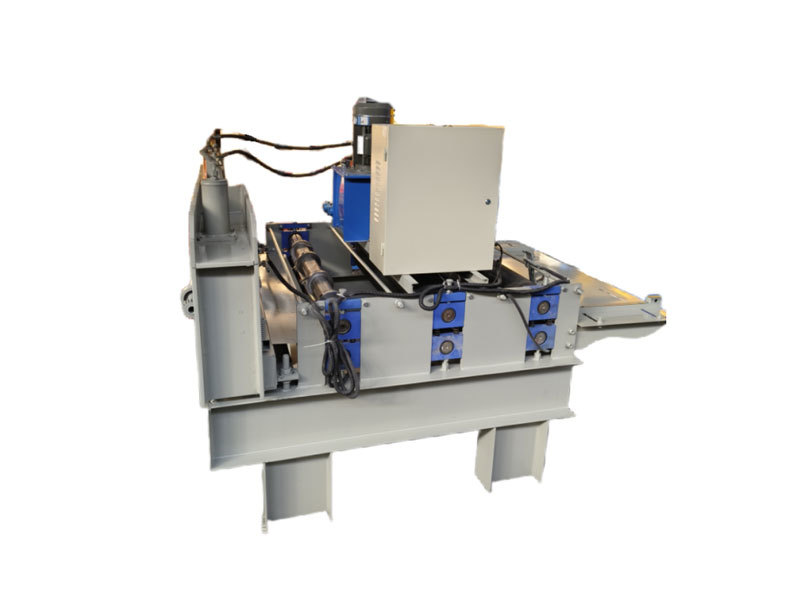
The Future of Manufacturing: Hydraulic Bending Machines at the Forefront
Table of Contents
- Introduction to Hydraulic Bending Machines
- A Brief History of Hydraulic Bending Technology
- Technological Advancements in Hydraulic Bending Machines
- Applications of Hydraulic Bending Machines in Manufacturing
- Advantages of Using Hydraulic Bending Machines
- Challenges Facing the Hydraulic Bending Machine Industry
- Future Trends in Hydraulic Bending Technology
- Conclusion
- FAQs about Hydraulic Bending Machines
Introduction to Hydraulic Bending Machines
The manufacturing sector is undergoing a revolutionary transformation. Central to this evolution are **hydraulic bending machines**, which are becoming increasingly vital due to their efficiency and versatility. These machines not only streamline production processes but also enhance the quality of fabricated products across various industries, such as construction, automotive, and aerospace.
In this detailed exploration, we will discuss the historical context, the technological advancements reshaping hydraulic bending machines, their diverse applications, advantages, challenges, and future trends. By understanding these facets, we can appreciate why hydraulic bending machines are at the forefront of manufacturing innovation.
A Brief History of Hydraulic Bending Technology
To comprehend the current capabilities of hydraulic bending machines, it is essential to look back at their origins. The use of hydraulic systems dates back to the 18th century, with the invention of the hydraulic press. However, it wasn't until the 20th century that hydraulic bending machines emerged as a significant tool in manufacturing.
The introduction of hydraulic technology allowed for more controlled and powerful bending processes. Unlike mechanical bending machines, which relied on mechanical leverage, hydraulic systems harness fluid power to deliver consistent force, making them more reliable for heavy-duty applications.
Technological Advancements in Hydraulic Bending Machines
As industries demand greater efficiency and precision, hydraulic bending machines have evolved significantly. Key advancements include:
The Role of Automation and Smart Technology
Automation has become a cornerstone of modern manufacturing, and hydraulic bending machines are no exception. Equipped with **CNC (Computer Numerical Control)** systems, these machines can execute complex bending tasks with minimal human intervention. This not only increases production speed but also reduces the likelihood of errors, resulting in higher quality outputs.
Moreover, smart technology integration allows for real-time monitoring and data analysis, enabling manufacturers to optimize workflows and predict maintenance needs. This shift towards **Industry 4.0** is revolutionizing how hydraulic bending machines operate, making them more intelligent and interconnected.
Improved Material Handling and Precision
Modern hydraulic bending machines are designed to handle a wide variety of materials, from metals to composites. Advanced sensors and feedback mechanisms ensure that the machines make precise adjustments during the bending process, which is critical for maintaining the integrity of the material and achieving the desired specifications.
The ability to work with various materials also makes hydraulic bending machines versatile, allowing manufacturers to cater to diverse market needs without investing in multiple specialized machines.
Applications of Hydraulic Bending Machines in Manufacturing
Hydraulic bending machines are used across multiple sectors due to their flexibility and precision. Some notable applications include:
1. **Automotive Manufacturing**: These machines are essential for producing components such as frames, exhaust systems, and brackets, where precise bends are crucial for fit and function.
2. **Construction**: In the construction industry, hydraulic bending machines are used to shape steel and other materials for structural components. The ability to create complex shapes enhances the durability and aesthetic appeal of buildings.
3. **Aerospace Engineering**: Aerospace components require stringent tolerances, and hydraulic bending machines are adept at producing intricate parts that meet these specifications while maintaining strength.
4. **HVAC Systems**: In heating, ventilation, and air conditioning applications, these machines fabricate ductwork and other components, emphasizing efficiency and precision.
5. **Furniture Manufacturing**: Hydraulic bending machines also play a role in crafting unique furniture designs, allowing for creative shapes that enhance aesthetic appeal without compromising strength.
Advantages of Using Hydraulic Bending Machines
The adoption of hydraulic bending machines offers several advantages that contribute to their popularity in manufacturing:
1. **High Precision**: Hydraulic systems provide consistent force and control, resulting in precise bends that meet strict specifications.
2. **Versatility**: These machines can handle a wide range of materials and thicknesses, making them suitable for various applications across multiple industries.
3. **Increased Efficiency**: Automation and CNC technology reduce cycle times and improve production rates, allowing manufacturers to meet rising demand without sacrificing quality.
4. **Reduced Labor Costs**: With automation, fewer operators are needed, reducing labor costs while enhancing productivity.
5. **Enhanced Safety**: Hydraulic systems often come equipped with safety features that protect operators from potential hazards associated with manual bending processes.
Challenges Facing the Hydraulic Bending Machine Industry
Despite their numerous advantages, hydraulic bending machines also face challenges that manufacturers must navigate:
1. **Initial Investment Costs**: The sophisticated technology and machinery often require significant upfront investment, which can be a barrier for smaller manufacturers.
2. **Maintenance and Repair**: Hydraulic systems require regular maintenance to ensure optimal performance. Failures can lead to costly downtime.
3. **Training and Skill Development**: The integration of advanced technology necessitates training for operators, which can be time-consuming and resource-intensive.
4. **Environmental Concerns**: Hydraulic fluids used in these machines can pose environmental risks if not handled properly. Manufacturers must implement effective management strategies to mitigate these risks.
Future Trends in Hydraulic Bending Technology
As we look ahead, several trends are likely to shape the future of hydraulic bending machines and their role in manufacturing:
1. **Increased Automation**: The trend towards fully automated manufacturing will continue, with hydraulic bending machines becoming an integral part of smart factories.
2. **Sustainability**: The manufacturing industry is increasingly focusing on sustainability. Expect hydraulic machines to incorporate eco-friendly materials and processes, reducing their environmental footprint.
3. **Advanced Materials and Techniques**: The development of new materials and bending techniques will expand the capabilities of hydraulic bending machines, enabling them to meet the demands of futuristic applications.
4. **Integration with AI**: Artificial Intelligence will play a significant role in optimizing bending processes, predicting failures, and improving overall efficiency.
5. **Remote Monitoring and Control**: Enhanced connectivity will allow manufacturers to monitor and control hydraulic bending machines remotely, improving responsiveness and reducing downtime.
Conclusion
Hydraulic bending machines are undeniably at the forefront of the manufacturing revolution. Their evolution, driven by technological advancements and changing industry demands, highlights their critical role across various sectors. By embracing automation, improving precision, and tackling challenges head-on, manufacturers can leverage the capabilities of hydraulic bending machines to enhance productivity and output quality. As we move toward a more automated and sustainable future, these machines will continue to be pivotal in shaping the manufacturing landscape.
FAQs about Hydraulic Bending Machines
1. What is a hydraulic bending machine?
A hydraulic bending machine uses hydraulic power to bend materials into desired shapes and angles, offering high precision and versatility.
2. How does a hydraulic bending machine work?
It operates by applying hydraulic pressure to a material, shaping it around a die or mold, which allows for consistent and repeatable bends.
3. What are the benefits of using hydraulic bending machines in manufacturing?
Benefits include high precision, versatility in handling various materials, increased efficiency, reduced labor costs, and enhanced safety.
4. What industries utilize hydraulic bending machines?
Common industries include automotive, construction, aerospace, HVAC, and furniture manufacturing.
5. What are the challenges associated with hydraulic bending technology?
Challenges include high initial investment costs, maintenance needs, the requirement for skilled operators, and environmental concerns related to hydraulic fluids.
TAG:

Contact Us
E-mail :
chiyuan@chiyuanmachine.com
Phone/Wechat:
+86-13483837770
Address:
Botou Economic Development Zone, Cangzhou City, Hebei Province, China



Request Quote