Address:Botou, Cangzhou City, Hebei Province, China

Essential Insights into Glazed Tile Equipment for the Manufacturing Industry
Oct 13,2024
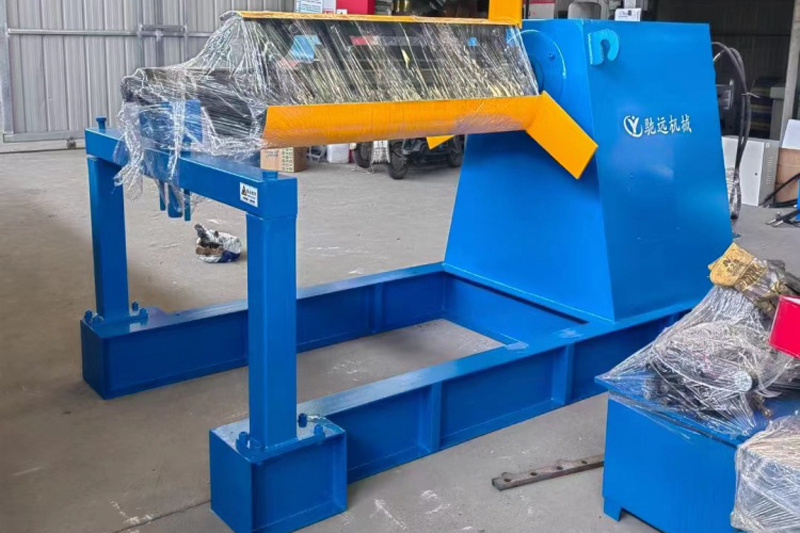
In the manufacturing and processing machinery sector, glazed tile equipment plays a pivotal role in the production of high-quality ceramic tiles. These tiles, known for their aesthetic appeal and durability, are widely used in residential and commercial building projects. Understanding the components and functionality of glazed tile equipment can enhance production efficiency and quality.
Typically, glazed tile equipment encompasses a range of machines designed for different stages of tile production. This includes mixing and preparation units, forming machines, drying equipment, glazing stations, and firing kilns. Each piece of machinery contributes to the overall process of transforming raw materials into finished products.
The initial stage involves the mixing of raw materials such as clay, feldspar, and quartz. This mixture is blended to achieve the desired consistency before being shaped into tile forms. Forming machines, which can include hydraulic presses and extrusion machines, are employed to create tiles of various sizes and designs.
Once formed, the tiles undergo a drying process. This is crucial as it removes excess moisture, preventing defects during the firing phase. Advanced drying equipment can optimize this process by controlling temperature and humidity levels, ensuring uniform drying and minimizing warping.
The glazing stage is where the tiles truly shine. This process involves applying a glass-like coating that enhances their aesthetic qualities and provides protective properties. Glazing can be achieved through various techniques, including spraying, dipping, or roller application, depending on the desired finish and production scale.
After glazing, tiles are subjected to high temperatures in firing kilns. This step is essential for vitrification, where the clay particles fuse, creating a strong and non-porous surface. The temperature and duration of firing are critical, as they directly influence the final quality of the tiles, including their hardness, color, and glossiness.
In terms of efficiency, modern glazed tile equipment is often automated and equipped with advanced control systems. This not only increases production rates but also ensures consistency and reduces material waste. Moreover, the integration of technology in the manufacturing process allows for real-time monitoring, enabling manufacturers to make adjustments as needed to maintain optimal production conditions.
In conclusion, glazed tile equipment is integral to the manufacturing of ceramic tiles, affecting every aspect from raw material preparation to the final product. Professionals in the engineering and construction industries benefit from understanding the intricacies of this equipment, as it directly impacts the quality of materials used in various applications. Embracing advancements in glazed tile machinery can lead to improved production efficiency and superior product quality, ultimately enhancing the overall value offered to clients in the construction sector.
Typically, glazed tile equipment encompasses a range of machines designed for different stages of tile production. This includes mixing and preparation units, forming machines, drying equipment, glazing stations, and firing kilns. Each piece of machinery contributes to the overall process of transforming raw materials into finished products.
The initial stage involves the mixing of raw materials such as clay, feldspar, and quartz. This mixture is blended to achieve the desired consistency before being shaped into tile forms. Forming machines, which can include hydraulic presses and extrusion machines, are employed to create tiles of various sizes and designs.
Once formed, the tiles undergo a drying process. This is crucial as it removes excess moisture, preventing defects during the firing phase. Advanced drying equipment can optimize this process by controlling temperature and humidity levels, ensuring uniform drying and minimizing warping.
The glazing stage is where the tiles truly shine. This process involves applying a glass-like coating that enhances their aesthetic qualities and provides protective properties. Glazing can be achieved through various techniques, including spraying, dipping, or roller application, depending on the desired finish and production scale.
After glazing, tiles are subjected to high temperatures in firing kilns. This step is essential for vitrification, where the clay particles fuse, creating a strong and non-porous surface. The temperature and duration of firing are critical, as they directly influence the final quality of the tiles, including their hardness, color, and glossiness.
In terms of efficiency, modern glazed tile equipment is often automated and equipped with advanced control systems. This not only increases production rates but also ensures consistency and reduces material waste. Moreover, the integration of technology in the manufacturing process allows for real-time monitoring, enabling manufacturers to make adjustments as needed to maintain optimal production conditions.
In conclusion, glazed tile equipment is integral to the manufacturing of ceramic tiles, affecting every aspect from raw material preparation to the final product. Professionals in the engineering and construction industries benefit from understanding the intricacies of this equipment, as it directly impacts the quality of materials used in various applications. Embracing advancements in glazed tile machinery can lead to improved production efficiency and superior product quality, ultimately enhancing the overall value offered to clients in the construction sector.
TAG:

Contact Us
E-mail :
chiyuan@chiyuanmachine.com
Phone/Wechat:
+86-13483837770
Address:
Botou Economic Development Zone, Cangzhou City, Hebei Province, China



Request Quote