Address:Botou, Cangzhou City, Hebei Province, China

The Role of Glazed Tile Equipment in Sustainable Construction Practices
Oct 12,2024
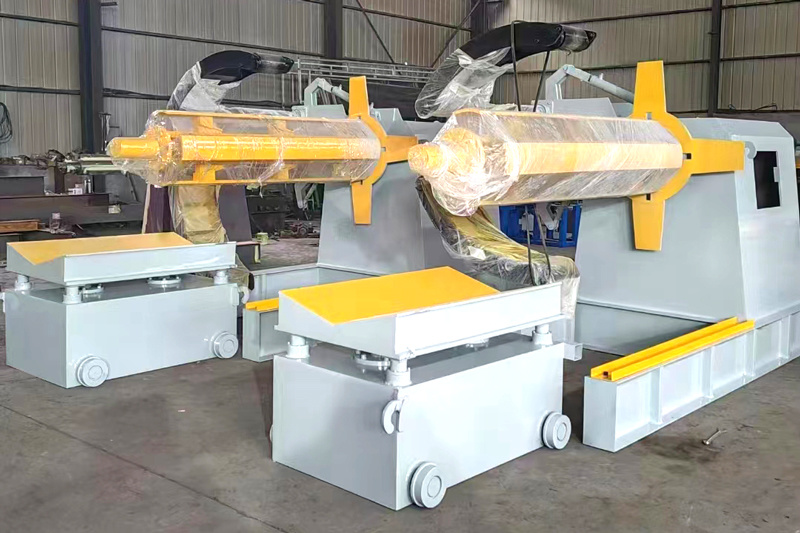
The Role of Glazed Tile Equipment in Sustainable Construction Practices
Table of Contents
- Introduction to Glazed Tile Equipment
- Understanding Sustainable Construction Practices
- Benefits of Using Glazed Tile in Construction
- Innovations in Glazed Tile Equipment
- Energy Efficiency and Insulation Properties
- Waste Reduction in Manufacturing Processes
- Use of Eco-Friendly Materials in Glazed Tiles
- Case Studies: Successful Implementation
- Future Trends in Glazed Tile Technology
- Conclusion
- FAQs
Introduction to Glazed Tile Equipment
The construction industry plays a pivotal role in shaping our urban landscape, and as the demand for sustainable construction practices grows, so does the importance of advanced manufacturing equipment. **Glazed tile equipment** is at the forefront of this transformation, enabling builders to incorporate high-performance tiles that are aesthetically pleasing and environmentally responsible. This article delves deep into the various ways glazed tile equipment supports sustainable practices in construction.
Understanding Sustainable Construction Practices
Sustainable construction practices focus on minimizing environmental impact while maximizing efficiency throughout the building lifecycle. These practices include using renewable resources, reducing waste, and enhancing energy efficiency. **Glazed tile equipment** aligns perfectly with these principles by producing tiles that not only beautify spaces but also contribute to energy savings and lower carbon footprints.
Benefits of Using Glazed Tile in Construction
**Glazed tiles** offer numerous benefits that make them an excellent choice for sustainable construction. Here are some of the key advantages:
Durability and Longevity
One of the most significant aspects of glazed tiles is their durability. Unlike other materials that may deteriorate over time, **glazed tiles** maintain their integrity, reducing the need for replacements and contributing to sustainability.
Low Maintenance
Glazed tiles require minimal maintenance, reducing the resources required for upkeep. This aspect not only saves time and money but also lessens the environmental impact associated with continuous maintenance activities.
Energy Efficiency
**Glazed tiles** possess excellent insulation properties, which help regulate indoor temperatures. This characteristic can lead to reduced energy consumption in heating and cooling systems, thus lowering utility bills and carbon emissions.
Innovations in Glazed Tile Equipment
Recent advancements in **glazed tile equipment** have revolutionized the manufacturing process, resulting in greater efficiency and sustainability. Here are some notable innovations:
Advanced Manufacturing Techniques
Modern equipment utilizes **automated processes** that enhance precision and reduce waste during production. These advancements lead to a higher yield of usable tiles from raw materials.
Energy-Reducing Machinery
New machinery is designed to operate more efficiently, consuming less energy while producing high-quality tiles. This shift not only lowers production costs but also diminishes the overall environmental impact.
Recyclable Materials Integration
Innovative equipment enables manufacturers to incorporate recycled materials into their **glazed tiles**, further promoting sustainability. This integration minimizes the reliance on virgin resources and encourages a circular economy.
Energy Efficiency and Insulation Properties
Energy efficiency is a cornerstone of sustainable building practices. **Glazed tiles** play a crucial role in this aspect through their insulation properties:
Thermal Mass Benefits
The thermal mass of glazed tiles allows them to absorb heat during the day and release it at night, maintaining comfortable indoor temperatures without excessive reliance on HVAC systems.
Reflective Surfaces
Many **glazed tiles** boast reflective surfaces that can help reduce heat absorption in buildings, especially in warm climates. This feature contributes to lower cooling costs and enhances the overall energy efficiency of a structure.
Waste Reduction in Manufacturing Processes
Sustainable construction requires a commitment to minimizing waste. The production of **glazed tiles** can be optimized to reduce waste significantly:
Utilization of By-Products
Manufacturers are increasingly utilizing by-products from other industries in the production of **glazed tiles**. This practice not only reduces landfill waste but also provides alternative raw materials that contribute to sustainability.
Efficient Material Usage
Advanced design and cutting technologies ensure that raw materials are used efficiently, leading to less waste during production. By maximizing yield, manufacturers can create more tiles with fewer resources.
Use of Eco-Friendly Materials in Glazed Tiles
The materials used in **glazed tiles** significantly influence their sustainability. Here’s how eco-friendly materials come into play:
Natural and Recycled Materials
Many manufacturers are shifting towards the use of natural clays and recycled glass in their **glazed tile** production. These materials not only reduce environmental impact but also enhance the aesthetic appeal of the tiles.
Non-Toxic Glazes
The adoption of non-toxic glazes ensures that **glazed tiles** meet health and safety standards. These glazes are essential for creating healthy indoor environments, thus aligning with sustainable building objectives.
Case Studies: Successful Implementation
Examining successful case studies can provide valuable insights into the practical applications of **glazed tile equipment** in sustainable construction:
Project A: Eco-Friendly Housing Development
In an eco-friendly housing project, the use of **glazed tiles** equipped with energy-efficient features led to a substantial reduction in energy costs for residents. The project showcased how sustainability and modern design could coexist harmoniously.
Project B: Commercial Green Building
A commercial building implemented **glazed tile equipment** capable of producing tiles with recycled content. This initiative not only earned LEED certification but also set a precedent for future commercial projects focusing on sustainability.
Future Trends in Glazed Tile Technology
As technology continues to evolve, the future of **glazed tile equipment** looks promising:
Smart Tiles
The integration of technology into glazed tiles, such as temperature-sensing and energy-generating features, is expected to gain traction. These **smart tiles** will further enhance energy efficiency and user comfort.
Increased Customization
With advancements in digital printing technology, manufacturers will be able to offer more customized designs and patterns. This capability will cater to diverse consumer preferences while maintaining sustainable practices.
Conclusion
The role of **glazed tile equipment** in sustainable construction practices is undeniable. Through innovations in manufacturing, energy efficiency, waste reduction, and the use of eco-friendly materials, these tiles contribute significantly to building a greener future. As the industry moves toward more sustainable practices, the advancements in **glazed tile technology** will play a crucial role in shaping the buildings of tomorrow.
FAQs
1. What are the primary benefits of glazed tiles in sustainable construction?
**Glazed tiles** provide durability, low maintenance, energy efficiency, and aesthetic appeal, making them ideal for sustainable building practices.
2. How does glazed tile equipment reduce waste?
Innovative **glazed tile equipment** utilizes advanced manufacturing techniques and materials efficiently, significantly reducing waste during production.
3. Are there eco-friendly materials used in glazed tiles?
Yes, manufacturers increasingly use natural clays, recycled glass, and non-toxic glazes to enhance sustainability in **glazed tile production**.
4. What role do glazed tiles play in energy efficiency?
**Glazed tiles** improve insulation and can reduce heating and cooling costs by maintaining comfortable indoor temperatures.
5. What future trends should we expect in glazed tile technology?
Anticipated trends include the development of **smart tiles** with technology integration, increased customization, and more sustainable production practices.
TAG:

Contact Us
E-mail :
chiyuan@chiyuanmachine.com
Phone/Wechat:
+86-13483837770
Address:
Botou Economic Development Zone, Cangzhou City, Hebei Province, China



Request Quote