Address:Botou, Cangzhou City, Hebei Province, China

Understanding Glazed Tile Equipment: An Essential Component of the Manufacturing Process
Oct 11,2024
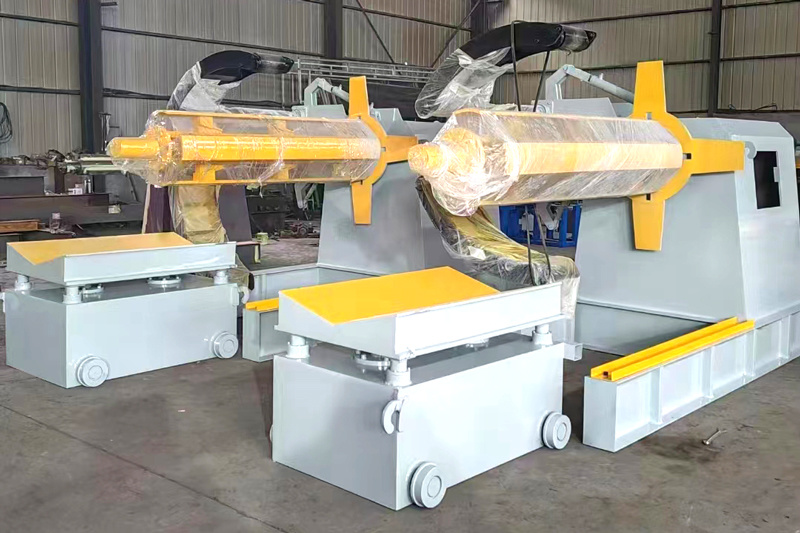
Glazed tile equipment plays a crucial role in the manufacturing process of glazed tiles, which are widely used in various construction and decorative applications. Understanding how this equipment functions can provide valuable insights for those involved in the manufacturing and processing of construction materials.
The primary purpose of glazed tile equipment is to apply a protective and decorative layer of glaze on ceramic tiles. This glaze not only enhances the aesthetic appeal of the tiles but also provides important functional benefits, such as increased durability and resistance to moisture. The process of glazing typically involves several stages, including preparation, application, and firing, each of which requires specialized machinery.
One of the key components of glazed tile equipment is the spray booth, which is designed to apply the glaze uniformly across the tile surface. This ensures that each tile maintains a consistent look and quality. The spray booth often utilizes advanced technology to control the thickness and distribution of the glaze, which is crucial for achieving the desired finish. Additionally, temperature and humidity controls within the spray booth are vital factors that influence the drying and curing of the glaze.
Another important piece of glazed tile equipment is the kiln, where the glazed tiles are fired. The firing process is critical, as it allows the glaze to bond with the tile surface, enhancing its durability and resistance to wear. Modern kilns are designed to maintain precise temperature settings to ensure optimal firing conditions, which can significantly impact the final product's quality.
In addition to the basic equipment mentioned above, manufacturers often use various auxiliary machines, such as tile cutters and polishing machines, to further refine the tiles before they are packaged for sale. These machines ensure that the tiles meet the required specifications, including size, shape, and finish. Furthermore, investing in efficient glazed tile equipment can lead to increased production rates and reduced waste, contributing to a more sustainable manufacturing process.
In conclusion, glazed tile equipment is an integral part of the tile manufacturing process that enhances both the functionality and aesthetics of the final product. Understanding the various components and processes involved can help manufacturers optimize their operations and produce high-quality glazed tiles that meet market demands. As the construction industry continues to evolve, keeping abreast of advancements in glazed tile equipment will be essential for maintaining competitive advantages and meeting the needs of consumers.
The primary purpose of glazed tile equipment is to apply a protective and decorative layer of glaze on ceramic tiles. This glaze not only enhances the aesthetic appeal of the tiles but also provides important functional benefits, such as increased durability and resistance to moisture. The process of glazing typically involves several stages, including preparation, application, and firing, each of which requires specialized machinery.
One of the key components of glazed tile equipment is the spray booth, which is designed to apply the glaze uniformly across the tile surface. This ensures that each tile maintains a consistent look and quality. The spray booth often utilizes advanced technology to control the thickness and distribution of the glaze, which is crucial for achieving the desired finish. Additionally, temperature and humidity controls within the spray booth are vital factors that influence the drying and curing of the glaze.
Another important piece of glazed tile equipment is the kiln, where the glazed tiles are fired. The firing process is critical, as it allows the glaze to bond with the tile surface, enhancing its durability and resistance to wear. Modern kilns are designed to maintain precise temperature settings to ensure optimal firing conditions, which can significantly impact the final product's quality.
In addition to the basic equipment mentioned above, manufacturers often use various auxiliary machines, such as tile cutters and polishing machines, to further refine the tiles before they are packaged for sale. These machines ensure that the tiles meet the required specifications, including size, shape, and finish. Furthermore, investing in efficient glazed tile equipment can lead to increased production rates and reduced waste, contributing to a more sustainable manufacturing process.
In conclusion, glazed tile equipment is an integral part of the tile manufacturing process that enhances both the functionality and aesthetics of the final product. Understanding the various components and processes involved can help manufacturers optimize their operations and produce high-quality glazed tiles that meet market demands. As the construction industry continues to evolve, keeping abreast of advancements in glazed tile equipment will be essential for maintaining competitive advantages and meeting the needs of consumers.
TAG:

Contact Us
E-mail :
chiyuan@chiyuanmachine.com
Phone/Wechat:
+86-13483837770
Address:
Botou Economic Development Zone, Cangzhou City, Hebei Province, China



Request Quote