Address:Botou, Cangzhou City, Hebei Province, China

Understanding Glazed Tile Equipment: Enhancing Efficiency in the Manufacturing Process
Aug 22,2024
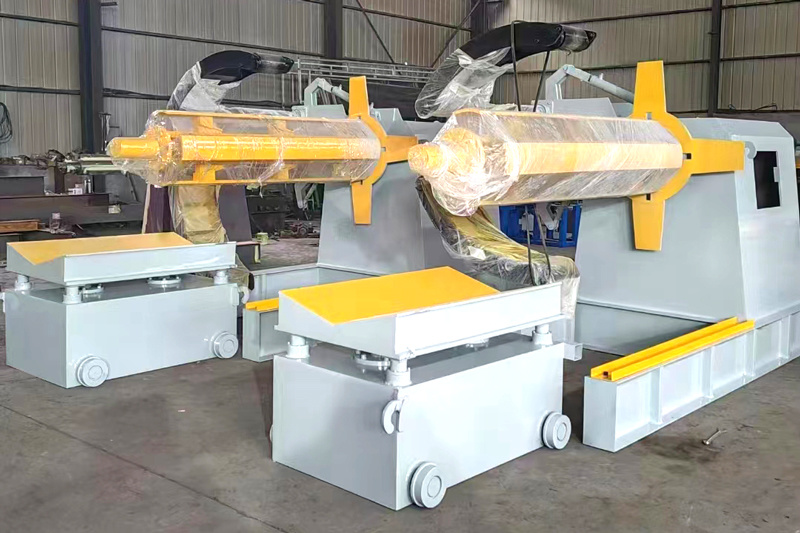
When it comes to glazed tile equipment, the manufacturing process is crucial for producing high-quality tiles that meet both aesthetic and functional standards. Glazed tiles are popular due to their durability, water resistance, and ease of maintenance, making them a preferred choice in residential and commercial spaces. Understanding the equipment used in their production is essential for manufacturers looking to optimize their processes and improve product quality.
The primary machinery involved in the production of glazed tiles includes tile presses, kilns, and glazing lines. Tile presses are vital for shaping the raw materials into tile forms. They apply significant pressure to ensure uniform density and shape, which is critical for the quality of the finished product. Advanced hydraulic systems in modern tile presses allow for precise control over pressure and timing, leading to enhanced efficiency and reduced waste during the production process.
Once the tiles are formed, they undergo firing in kilns. Kilns are designed to reach high temperatures necessary for the vitrification of the tiles, a process that gives glazed tiles their characteristic strength and glossy finish. Modern kilns often incorporate advanced temperature control systems and automated loading/unloading mechanisms, which not only improve energy efficiency but also minimize labor costs.
After firing, the tiles are coated with a glaze—a glass-like layer that adds to their aesthetic appeal and protective qualities. The glazing process typically involves spray lines or dipping tanks, where tiles are coated with a liquid glaze. Utilizing automated glazing equipment can significantly speed up this process while ensuring even coating and reducing the risk of defects.
In addition to the primary machinery, other ancillary equipment plays a significant role in the glazed tile manufacturing process. This includes mixing machines for preparing the raw materials, drying equipment to remove moisture from tiles before firing, and quality control systems to monitor the production process and ensure compliance with industry standards.
The adoption of advanced technologies such as automation, robotics, and data-driven manufacturing can further enhance the efficiency of glazed tile equipment. Implementing Industry 4.0 practices allows manufacturers to streamline operations, reduce downtime, and improve overall productivity.
In conclusion, understanding glazed tile equipment and its various components is essential for manufacturers in the construction and engineering sectors. By leveraging modern machinery and technologies, manufacturers can enhance their production processes, ensuring they deliver high-quality glazed tiles that meet the evolving demands of the market.

Contact Us
E-mail :
chiyuan@chiyuanmachine.com
Phone/Wechat:
+86-13483837770
Address:
Botou Economic Development Zone, Cangzhou City, Hebei Province, China



Request Quote