Address:Botou, Cangzhou City, Hebei Province, China

How Glazed Tile Equipment Enhances Production Efficiency in Manufacturing
Aug 23,2024
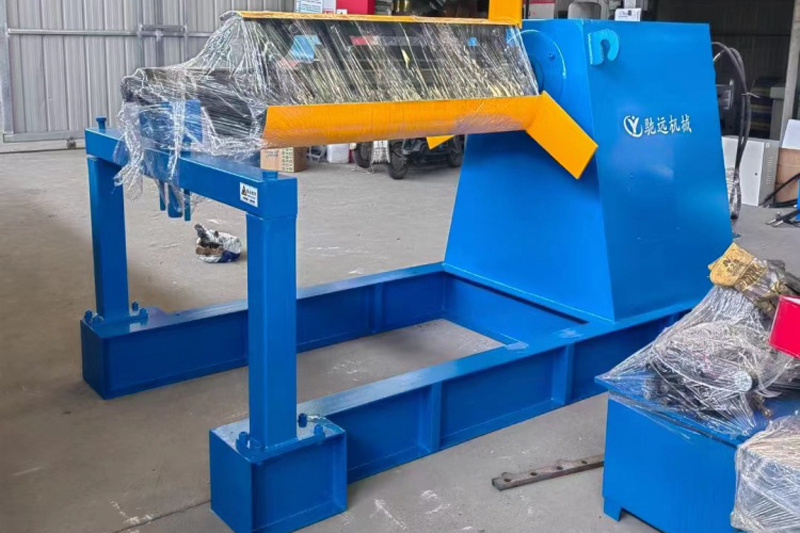
How Glazed Tile Equipment Enhances Production Efficiency
Introduction to Glazed Tile Equipment
In the ever-evolving world of **manufacturing**, glazed tile equipment stands out as a pivotal element that significantly enhances **production efficiency**. This specialized machinery plays a crucial role in the construction and engineering industries, particularly in the production of high-quality glazed tiles. Understanding the benefits of these machines and how they improve operational workflows is essential for manufacturers aiming to stay competitive.
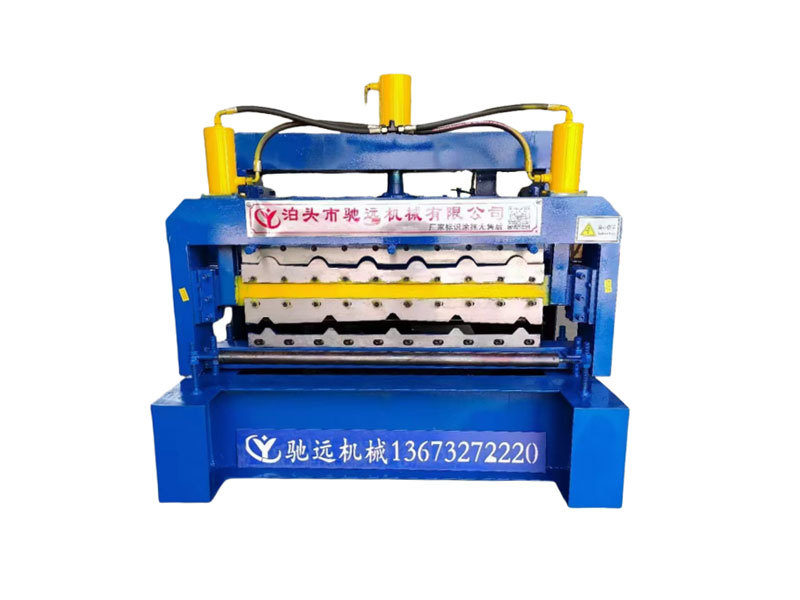
The Importance of Production Efficiency in Manufacturing
To grasp how glazed tile equipment enhances production efficiency, it is vital to first understand the significance of production efficiency itself. Efficient production processes lead to reduced costs, improved product quality, and increased profitability. In a market that demands high standards and rapid turnaround times, manufacturers cannot afford to overlook the impact of their equipment choices.
Key Factors Influencing Production Efficiency
Several factors contribute to production efficiency, including:
1. Technology Integration
The integration of advanced technologies in glazed tile production equipment allows for automation and streamlining of processes. This not only speeds up production but also reduces human errors.
2. Material Quality
The quality of raw materials used in producing glazed tiles directly influences the end product's durability and aesthetic appeal. High-quality materials often lead to fewer defects and waste.
3. Skilled Workforce
A well-trained workforce can significantly enhance operational efficiency. Employees familiar with the equipment and production processes can quickly identify and address issues, minimizing downtime.
Types of Glazed Tile Equipment
Understanding the types of glazed tile equipment available can help manufacturers make informed decisions.
1. Tile Pressing Machines
Tile pressing machines play a fundamental role in shaping tiles under high pressure. They ensure uniformity in size and thickness, which is crucial for aesthetic and functional purposes.
2. Glaze Application Systems
These systems are responsible for evenly applying glaze to tiles. Advanced glaze application technologies, such as spray systems, enhance the quality of the finish and reduce material waste.
3. Kilns
Kilns are essential for the firing process, where tiles undergo high-temperature treatment. Modern kilns are designed for energy efficiency and precise temperature control, ensuring optimal firing conditions.
4. Quality Control Equipment
Quality assurance is vital in tile production. Equipment such as color and texture analyzers helps maintain the high standards expected by consumers.
How Glazed Tile Equipment Improves Production Efficiency
The optimal use of glazed tile equipment leads to significant improvements in various areas of production.
1. Streamlined Workflow
By integrating glazed tile equipment into the production line, manufacturers can streamline workflows. Automated systems reduce manual handling, minimizing the risk of errors and enhancing overall productivity.
2. Enhanced Product Quality
With precise machinery, the quality of glazed tiles significantly improves. Consistent application of glazes and uniform pressing results in tiles that meet stringent quality standards, thereby reducing rework and waste.
3. Reduced Production Time
Advanced equipment enables faster production cycles. Automated processes cut down on the time required for each step, allowing manufacturers to meet market demands swiftly.
4. Energy Efficiency
Modern glazed tile equipment is designed with energy efficiency in mind. Utilizing less energy not only lowers operational costs but also supports sustainability initiatives, making it appealing to environmentally conscious consumers.
5. Flexibility in Production
Today’s glazed tile equipment offers manufacturers the flexibility to produce a diverse range of tile designs and sizes without extensive downtime for reconfiguration. This adaptability is essential for responding to changing market trends.
Best Practices for Using Glazed Tile Equipment
To maximize the benefits of glazed tile equipment, manufacturers should consider implementing the following best practices:
1. Regular Maintenance
Routine maintenance ensures that machinery operates at peak efficiency. Scheduled checks can prevent breakdowns and extend the lifespan of the equipment.
2. Staff Training
Investing in employee training is key to maximizing the potential of glazed tile equipment. Skilled operators can leverage the machinery's capabilities, leading to improved production outcomes.
3. Continuous Improvement
Adopting a culture of continuous improvement can help manufacturers identify areas where production efficiency can be enhanced. Regularly reviewing processes and equipment performance can yield substantial benefits.
Case Studies: Successful Implementation of Glazed Tile Equipment
Analyzing case studies of manufacturers who successfully implemented glazed tile equipment can provide valuable insights.
1. Company A: Increased Production Rates
After upgrading to advanced glazed tile equipment, Company A reported a **30% increase** in production rates. The transition to automated processes allowed them to handle larger orders without compromising quality.
2. Company B: Cost Reduction
Company B utilized energy-efficient kilns and glaze application systems, resulting in a **20% reduction in energy costs**. This not only boosted profits but also aligned with their sustainability goals.
FAQs about Glazed Tile Equipment and Production Efficiency
1. What types of glazed tile equipment are essential for production?
Essential equipment includes tile pressing machines, glaze application systems, kilns, and quality control devices.
2. How does glazed tile equipment improve product quality?
Advanced machinery ensures uniformity in tile size and glaze application, reducing defects and enhancing the overall finish.
3. What are the benefits of automating glazed tile production?
Automation leads to increased efficiency, reduced labor costs, and a faster production cycle, allowing manufacturers to meet market demands more effectively.
4. How can manufacturers reduce energy costs in tile production?
Investing in energy-efficient equipment and optimizing production processes can significantly lower energy consumption.
5. What role does staff training play in production efficiency?
Well-trained staff can operate machinery more effectively, troubleshoot issues promptly, and adapt to new technologies, enhancing overall efficiency.
Conclusion
In conclusion, the integration of **glazed tile equipment** into the manufacturing process is a pivotal factor in enhancing production efficiency. By investing in modern machinery and adopting best practices, manufacturers can not only improve product quality but also realize significant cost savings and increased productivity. As the demand for high-quality glazed tiles continues to rise, the importance of efficient production techniques cannot be overstated. Embracing advanced equipment and fostering a culture of continuous improvement will position manufacturers to thrive in an increasingly competitive landscape.

Contact Us
E-mail :
chiyuan@chiyuanmachine.com
Phone/Wechat:
+86-13483837770
Address:
Botou Economic Development Zone, Cangzhou City, Hebei Province, China



Request Quote