Address:Botou, Cangzhou City, Hebei Province, China

Understanding Hydraulic Bending Machines: Essential Tools in Industrial Applications
Jan 19,2025
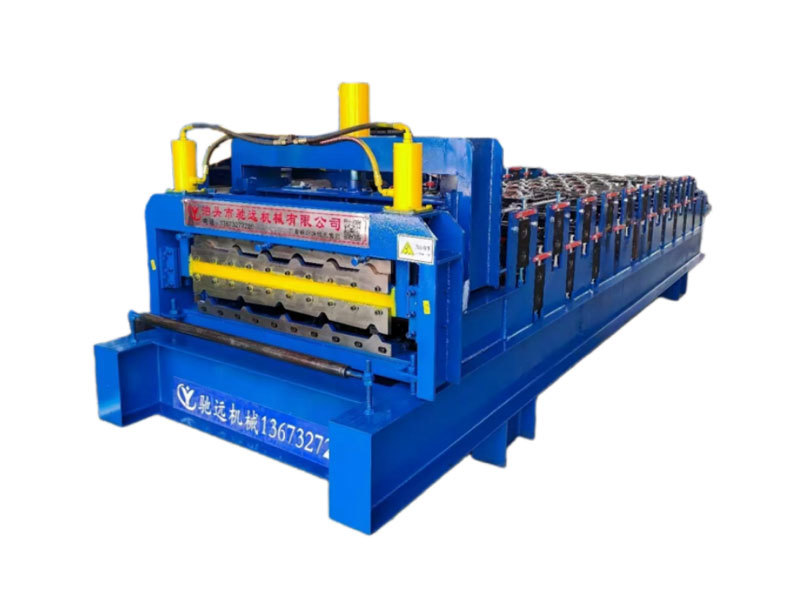
Hydraulic bending machines are a vital part of the industrial equipment landscape, especially in the realm of hydraulic machinery and components. These machines employ hydraulic power to bend materials, typically metal, to exact specifications. The core principle behind hydraulic bending lies in Pascal’s law, which states that pressure applied to a confined fluid is transmitted undiminished throughout the fluid. This principle enables hydraulic bending machines to exert significant force on materials, allowing for the bending of thick and robust components.
One of the key benefits of hydraulic bending machines is their versatility. They can bend various materials, including steel, aluminum, and other metals, making them indispensable in manufacturing sectors such as automotive, aerospace, and construction. The flexibility to create different angles and curves ensures that fabricators can meet diverse design requirements, ranging from simple brackets to complex structural components.
The operational efficiency of hydraulic bending machines is another major advantage. These machines typically feature programmable controls, enabling operators to input precise measurements and bending specifications. This automation reduces the risk of human error and enhances productivity, allowing for the consistent production of high-quality components. Additionally, hydraulic systems can generate higher force levels compared to mechanical systems, which translates into the ability to handle thicker materials and more complex shapes.
Safety is paramount when working with hydraulic bending machines. These machines operate under high pressure, making it crucial to ensure proper maintenance and safety protocols. Operators should be trained to recognize potential hazards, such as hydraulic fluid leaks or mechanical failures, and should always use personal protective equipment (PPE) when operating these machines.
In terms of maintenance, regular checks and servicing are essential to prolong the lifespan of hydraulic bending machines. This includes monitoring hydraulic fluid levels, inspecting hoses and fittings for signs of wear, and ensuring that the machine's control systems are functioning correctly. A well-maintained hydraulic bending machine not only enhances productivity but also contributes to the safety of the workplace.
In conclusion, hydraulic bending machines are essential tools in the industrial equipment sector, offering numerous advantages in terms of versatility, efficiency, and safety. Understanding their operation and maintenance is crucial for businesses looking to optimize their manufacturing processes. As industries continue to evolve, the role of hydraulic bending machines will remain significant, underpinning the production of complex and high-quality components across various sectors.
One of the key benefits of hydraulic bending machines is their versatility. They can bend various materials, including steel, aluminum, and other metals, making them indispensable in manufacturing sectors such as automotive, aerospace, and construction. The flexibility to create different angles and curves ensures that fabricators can meet diverse design requirements, ranging from simple brackets to complex structural components.
The operational efficiency of hydraulic bending machines is another major advantage. These machines typically feature programmable controls, enabling operators to input precise measurements and bending specifications. This automation reduces the risk of human error and enhances productivity, allowing for the consistent production of high-quality components. Additionally, hydraulic systems can generate higher force levels compared to mechanical systems, which translates into the ability to handle thicker materials and more complex shapes.
Safety is paramount when working with hydraulic bending machines. These machines operate under high pressure, making it crucial to ensure proper maintenance and safety protocols. Operators should be trained to recognize potential hazards, such as hydraulic fluid leaks or mechanical failures, and should always use personal protective equipment (PPE) when operating these machines.
In terms of maintenance, regular checks and servicing are essential to prolong the lifespan of hydraulic bending machines. This includes monitoring hydraulic fluid levels, inspecting hoses and fittings for signs of wear, and ensuring that the machine's control systems are functioning correctly. A well-maintained hydraulic bending machine not only enhances productivity but also contributes to the safety of the workplace.
In conclusion, hydraulic bending machines are essential tools in the industrial equipment sector, offering numerous advantages in terms of versatility, efficiency, and safety. Understanding their operation and maintenance is crucial for businesses looking to optimize their manufacturing processes. As industries continue to evolve, the role of hydraulic bending machines will remain significant, underpinning the production of complex and high-quality components across various sectors.
TAG:

Contact Us
E-mail :
chiyuan@chiyuanmachine.com
Phone/Wechat:
+86-13483837770
Address:
Botou Economic Development Zone, Cangzhou City, Hebei Province, China



Request Quote