Address:Botou, Cangzhou City, Hebei Province, China

Empowering Engineers: Harnessing the Power of Hydraulic Bending Machines for Unmatched Precision and Efficiency
Jan 17,2025
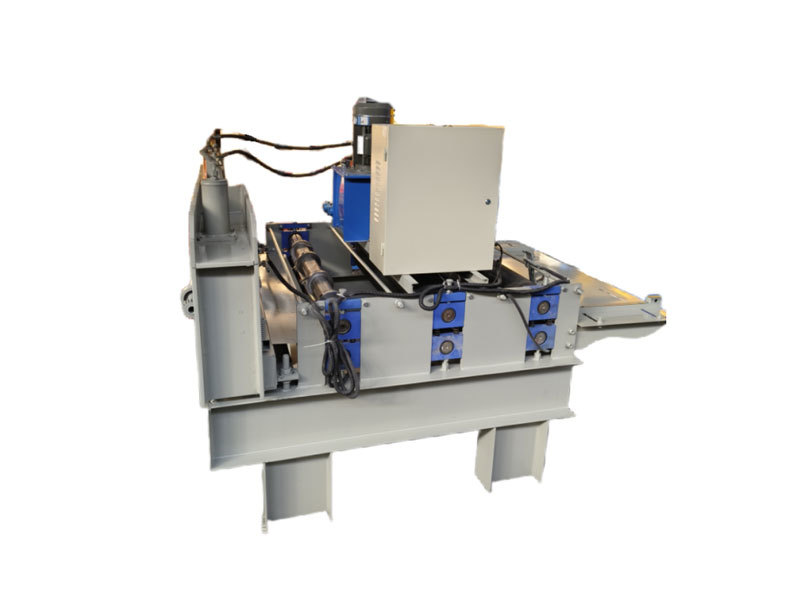
Empowering Engineers: Harnessing the Power of Hydraulic Bending Machines
Table of Contents
- 1. Introduction to Hydraulic Bending Machines
- 2. Understanding Hydraulic Bending Machines
- 3. Advantages of Hydraulic Bending Machines
- 4. Applications of Hydraulic Bending Machines
- 5. Choosing the Right Hydraulic Bending Machine
- 6. Maintenance Tips for Hydraulic Bending Machines
- 7. The Future of Hydraulic Bending Technology
- 8. Conclusion
- 9. FAQs
1. Introduction to Hydraulic Bending Machines
Hydraulic bending machines play a critical role in modern engineering, allowing for the precise manipulation of materials to meet the specific needs of various projects. These machines harness the power of hydraulics to exert significant force, facilitating the bending and shaping of metals, plastics, and other materials with unparalleled precision. As engineers strive for greater efficiency and accuracy, understanding the capabilities and benefits of hydraulic bending machines becomes essential.
2. Understanding Hydraulic Bending Machines
Hydraulic bending machines function by utilizing hydraulic pressure to perform bending tasks. The basic components of these machines include:
2.1 The Hydraulic System
The hydraulic system consists of a pump, valves, and cylinders. The pump generates hydraulic fluid pressure, which is then directed to the cylinders, allowing them to move and create the bending action.
2.2 The Bending Tool
The bending tool, often designed with various shapes and sizes, makes direct contact with the material being bent. The design of the tool can significantly affect the quality of the bend.
2.3 Control Systems
Modern hydraulic bending machines are equipped with advanced control systems, enabling operators to program specific bending angles, speeds, and sequences. These systems improve precision and reduce the likelihood of errors during operation.
3. Advantages of Hydraulic Bending Machines
Hydraulic bending machines offer numerous advantages that make them a popular choice among engineers and manufacturers.
3.1 Precision and Accuracy
One of the standout features of hydraulic bending machines is their ability to produce highly accurate bends. The hydraulic system provides consistent pressure, ensuring that each bend meets the desired specifications.
3.2 Versatility
These machines can handle a wide range of materials, including various grades of steel, aluminum, and plastics. Their versatility allows engineers to work on diverse projects without the need for multiple machines.
3.3 Increased Efficiency
Hydraulic bending machines are designed to operate quickly, significantly reducing production times. The automation capabilities further enhance efficiency, allowing for continuous operations without compromising quality.
3.4 Reduced Material Waste
Precision bending minimizes material waste, as the machine accurately shapes the material with minimal excess. This not only saves costs but also promotes sustainability within the manufacturing process.
3.5 Enhanced Safety Features
Modern hydraulic machines come equipped with advanced safety features, including overload protection and emergency shut-off systems. These safeguards protect operators and the equipment from potential hazards.
4. Applications of Hydraulic Bending Machines
The applications of hydraulic bending machines are vast and varied, impacting multiple industries.
4.1 Automotive Industry
In the automotive sector, hydraulic bending machines are essential for creating exhaust systems, frame components, and more. They enable manufacturers to produce intricate designs that enhance vehicle performance and aesthetics.
4.2 Construction Industry
Hydraulic bending machines are used to fabricate structural components such as beams, columns, and arches. Their precision ensures that construction materials meet strict safety and design criteria.
4.3 Aerospace Industry
In aerospace, the need for lightweight yet strong components is critical. Hydraulic bending machines allow for the bending of lightweight materials like aluminum and titanium, contributing to fuel efficiency in aircraft.
4.4 HVAC Systems
Hydraulic bending machines are vital for shaping ducts and piping in heating, ventilation, and air conditioning systems. Their precise bends ensure proper airflow and system efficiency.
4.5 Shipbuilding
The shipbuilding industry also benefits from hydraulic bending machines, as they create the complex shapes needed for hulls and other structural elements.
5. Choosing the Right Hydraulic Bending Machine
Selecting the right hydraulic bending machine involves several considerations:
5.1 Material Type and Thickness
Different machines are designed to handle specific materials and thicknesses. It is essential to choose a machine that matches the project requirements.
5.2 Bending Capacity
Evaluate the machine's bending capacity in terms of tonnage and material size. Ensure that it can accommodate the largest components you intend to bend.
5.3 Automation Features
Consider whether automation options, such as CNC controls, are necessary for your projects. These features can significantly enhance production efficiency.
5.4 Budget
Budget constraints will also play a role in your decision. Assess the long-term value and potential return on investment of the machine you choose.
6. Maintenance Tips for Hydraulic Bending Machines
Proper maintenance is crucial for ensuring the longevity and performance of hydraulic bending machines. Here are some key maintenance tips:
6.1 Regular Inspections
Conduct routine inspections of hydraulic fluid levels, hoses, and connections. Look for signs of wear or leaks that could affect performance.
6.2 Lubrication
Ensure that all moving parts are adequately lubricated according to the manufacturer's specifications. This will reduce friction and wear, prolonging the machine's life.
6.3 Calibration
Regularly calibrate the machine to maintain accuracy. Over time, wear and tear can lead to deviations in precision.
6.4 Operator Training
Invest in training for operators to ensure they are familiar with the machine's functions and safety protocols. Proper operation is critical for preventing accidents and equipment damage.
7. The Future of Hydraulic Bending Technology
The future of hydraulic bending technology is promising, with advancements in automation, software, and energy efficiency paving the way for enhanced capabilities.
7.1 Automation and Smart Technology
As Industry 4.0 continues to influence manufacturing, hydraulic bending machines are likely to become smarter and more automated. Integration with IoT (Internet of Things) devices will enable real-time monitoring and data analysis.
7.2 Energy Efficiency
Future developments will focus on improving energy efficiency, reducing operating costs, and minimizing environmental impact. Advanced hydraulic systems will play a significant role in achieving these goals.
7.3 Customization Options
The demand for customized solutions will drive manufacturers to innovate and offer more tailored hydraulic bending machines. This trend will cater to specific industry needs and project requirements.
8. Conclusion
Hydraulic bending machines are indispensable tools in modern engineering, providing unmatched precision, efficiency, and versatility across various industries. By understanding their functionality, advantages, and applications, engineers can harness their full potential to drive innovation and improve project outcomes. With proper maintenance and strategic choices, organizations can ensure the longevity and effectiveness of these powerful machines, positioning themselves for success in an ever-evolving market.
9. FAQs
What is a hydraulic bending machine?
A hydraulic bending machine is a tool that uses hydraulic pressure to bend and shape materials, such as metal and plastic, with high precision.
What are the benefits of using hydraulic bending machines?
Benefits include increased precision, efficiency, versatility, reduced material waste, and enhanced safety features.
What materials can be bent using hydraulic machines?
Hydraulic bending machines can handle various materials, including steel, aluminum, and plastics, depending on the machine's specifications.
How can I maintain a hydraulic bending machine?
Regular inspections, lubrication, calibration, and operator training are essential for maintaining a hydraulic bending machine.
What should I consider when choosing a hydraulic bending machine?
Consider material type, bending capacity, automation features, and budget when selecting a hydraulic bending machine.
By leveraging the insights provided in this article, engineers can confidently choose and utilize hydraulic bending machines to enhance their projects and achieve superior results.
TAG:

Contact Us
E-mail :
chiyuan@chiyuanmachine.com
Phone/Wechat:
+86-13483837770
Address:
Botou Economic Development Zone, Cangzhou City, Hebei Province, China



Request Quote