Address:Botou, Cangzhou City, Hebei Province, China

Understanding CNC Slitting Machines: A Comprehensive Overview for the Manufacturing Industry
Nov 11,2024
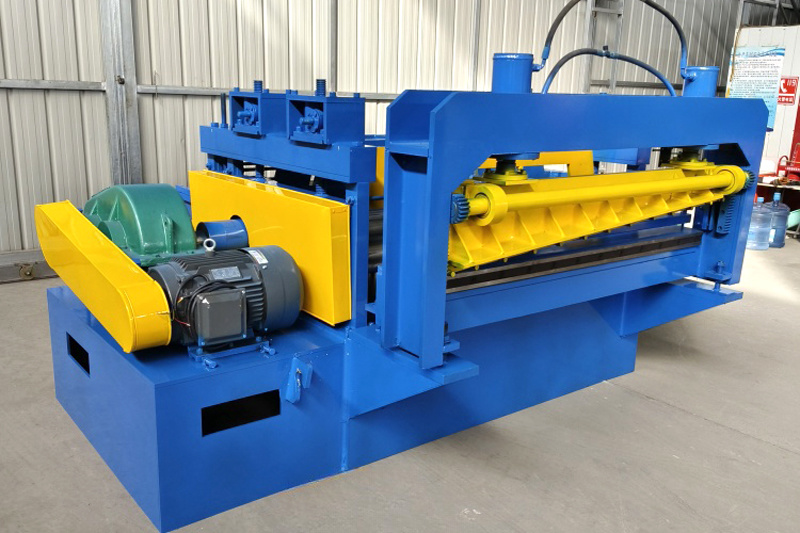
CNC slitting machines are specialized equipment designed for precision cutting of various materials, commonly used in the manufacturing industry for operations involving sheet metal, plastic, and other substrates. These machines utilize computer numerical control (CNC) technology to achieve high levels of accuracy and repeatability. By programming the machine with specific cutting parameters, operators can ensure that materials are processed efficiently, reducing waste and enhancing productivity.
One of the primary advantages of CNC slitting machines is their ability to handle a wide range of materials with varying thicknesses. This versatility makes them suitable for different applications, including the production of components for the automotive, aerospace, and packaging industries. The precision offered by CNC technology allows manufacturers to create intricate patterns and designs, meeting the increasingly demanding specifications of modern engineering projects.
The operation of a CNC slitting machine involves several key components, including the slitting blade, material feed system, and control unit. The slitting blade is typically made from high-speed steel or carbide, ensuring durability and a clean cut. The material feed system helps to maintain steady and accurate movement of the substrate, while the control unit allows operators to input various parameters such as speed and cutting depth. This integration of technology results in a streamlined process that minimizes human error and maximizes output.
In addition to their operational efficiency, CNC slitting machines offer significant benefits in terms of safety and ease of use. Many modern models come equipped with advanced safety features, such as automatic shut-off systems and protective enclosures, which safeguard operators during the cutting process. Furthermore, the user-friendly interfaces of these machines enable operators, even those with limited experience, to quickly learn the system and execute complex tasks with confidence.
When considering the implementation of a CNC slitting machine in a manufacturing environment, it is crucial to evaluate factors such as machine capacity, compatibility with existing processes, and maintenance requirements. Regular maintenance is vital to ensure optimal performance and longevity of the equipment. By adhering to a maintenance schedule and utilizing quality replacement parts, manufacturers can prevent costly downtime and ensure that their CNC slitting machines continue to operate at peak efficiency.
In conclusion, CNC slitting machines are an essential component of modern manufacturing, providing precision, versatility, and efficiency. Their ability to streamline production processes and deliver high-quality results makes them a valuable investment for manufacturers aiming to stay competitive in an ever-evolving industry landscape. Understanding the intricacies of these machines will empower professionals to make informed decisions that enhance operational performance and drive innovation.
One of the primary advantages of CNC slitting machines is their ability to handle a wide range of materials with varying thicknesses. This versatility makes them suitable for different applications, including the production of components for the automotive, aerospace, and packaging industries. The precision offered by CNC technology allows manufacturers to create intricate patterns and designs, meeting the increasingly demanding specifications of modern engineering projects.
The operation of a CNC slitting machine involves several key components, including the slitting blade, material feed system, and control unit. The slitting blade is typically made from high-speed steel or carbide, ensuring durability and a clean cut. The material feed system helps to maintain steady and accurate movement of the substrate, while the control unit allows operators to input various parameters such as speed and cutting depth. This integration of technology results in a streamlined process that minimizes human error and maximizes output.
In addition to their operational efficiency, CNC slitting machines offer significant benefits in terms of safety and ease of use. Many modern models come equipped with advanced safety features, such as automatic shut-off systems and protective enclosures, which safeguard operators during the cutting process. Furthermore, the user-friendly interfaces of these machines enable operators, even those with limited experience, to quickly learn the system and execute complex tasks with confidence.
When considering the implementation of a CNC slitting machine in a manufacturing environment, it is crucial to evaluate factors such as machine capacity, compatibility with existing processes, and maintenance requirements. Regular maintenance is vital to ensure optimal performance and longevity of the equipment. By adhering to a maintenance schedule and utilizing quality replacement parts, manufacturers can prevent costly downtime and ensure that their CNC slitting machines continue to operate at peak efficiency.
In conclusion, CNC slitting machines are an essential component of modern manufacturing, providing precision, versatility, and efficiency. Their ability to streamline production processes and deliver high-quality results makes them a valuable investment for manufacturers aiming to stay competitive in an ever-evolving industry landscape. Understanding the intricacies of these machines will empower professionals to make informed decisions that enhance operational performance and drive innovation.
TAG:

Contact Us
E-mail :
chiyuan@chiyuanmachine.com
Phone/Wechat:
+86-13483837770
Address:
Botou Economic Development Zone, Cangzhou City, Hebei Province, China



Request Quote