Address:Botou, Cangzhou City, Hebei Province, China

The Future of Manufacturing: Advancements in CNC Slitting Technology
Nov 10,2024
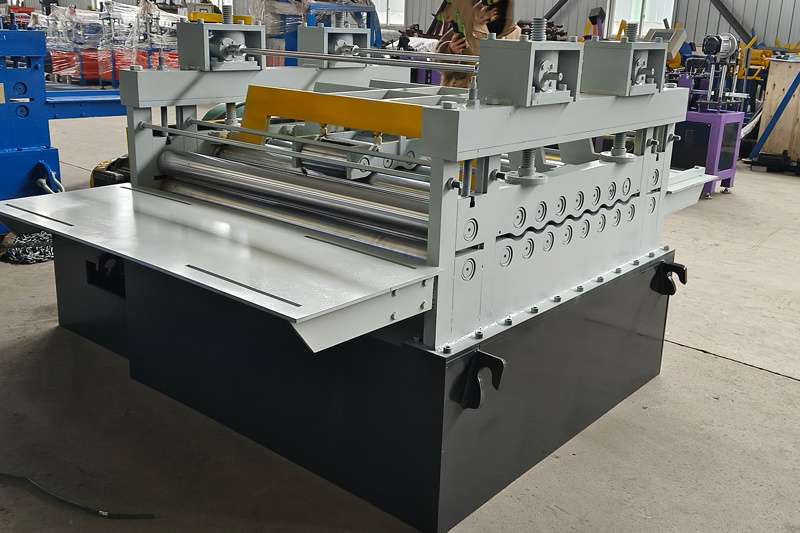
The Future of Manufacturing: Advancements in CNC Slitting Technology
Table of Contents
- Introduction to CNC Slitting Technology
- What is CNC Slitting?
- Historical Development of CNC Slitting Technology
- Current Advancements in CNC Slitting Technology
- Benefits of Modern CNC Slitting Technology
- Applications of CNC Slitting in Various Industries
- Future Trends in CNC Slitting Technology
- Conclusion
- FAQs
Introduction to CNC Slitting Technology
In the constantly evolving realm of manufacturing, **CNC slitting technology** has emerged as a pivotal element driving efficiency and precision. This innovative process enables manufacturers to cut materials into precise strips or sheets, enhancing productivity and product quality. As we delve into the advancements in CNC slitting technology, we will uncover how these innovations are shaping the future of manufacturing.
What is CNC Slitting?
CNC slitting refers to the **computer numerical control** (CNC) process used in the manufacturing industry to slice materials like metal, plastic, and paper into smaller, more manageable sizes. This process is characterized by the use of **automated machinery**, which allows for high precision and repeatability that cannot be achieved through traditional methods.
### How CNC Slitting Works
The CNC slitting process involves several key components:
- **Material Feeding System**: This system continuously feeds the material into the slitting machine.
- **Slitting Blades**: These specialized blades cut the material into desired sizes.
- **Computer Control Unit**: This unit monitors and adjusts the operation of the machine, ensuring accuracy and efficiency.
CNC slitting is widely recognized for its ability to produce high-quality cuts while minimizing waste, making it a preferred choice for many manufacturers.
Historical Development of CNC Slitting Technology
To truly appreciate the advancements in CNC slitting technology, it is essential to look at its historical trajectory. Originally, slitting was a manual process, requiring skilled laborers to achieve precise cuts. However, with the advent of CNC technology in the late 20th century, the manufacturing landscape began to transform.
### Key Milestones in CNC Slitting Evolution
- **1960s**: The introduction of CNC machines revolutionized the manufacturing process, enabling automated production and reducing human error.
- **1980s**: Advancements in materials and blade technology led to more efficient slitting processes, allowing manufacturers to handle a wider range of materials.
- **2000s**: The rise of computer software and automation further enhanced CNC slitting capabilities, resulting in faster production times and improved precision.
These milestones laid the groundwork for the cutting-edge innovations we see in CNC slitting technology today.
Current Advancements in CNC Slitting Technology
Today, CNC slitting technology has reached new heights, with several advancements that enhance its efficiency, accuracy, and versatility. These innovations have made it an indispensable tool for manufacturers across various industries.
### Enhanced Automation and Integration
Modern CNC slitting machines are increasingly automated and integrated with other manufacturing systems. This includes:
- **Real-Time Monitoring**: Advanced sensors and software allow for real-time tracking of production metrics, enabling immediate adjustments to maintain optimal performance.
- **Data Analytics**: Manufacturers can now leverage data analytics to optimize slitting processes, identify bottlenecks, and improve overall efficiency.
### Improved Blade Technology
The development of high-performance blades has significantly impacted CNC slitting. These blades are designed to minimize friction and wear, resulting in:
- **Longer Lifespan**: Enhanced durability means less frequent replacements.
- **Higher Precision**: Improved cutting capabilities lead to tighter tolerances and better end product quality.
### Eco-Friendly Innovations
Sustainability is a growing concern in the manufacturing sector. Recent advancements in CNC slitting technology focus on reducing waste and energy consumption. Key initiatives include:
- **Recyclable Materials**: Using eco-friendly materials in the slitting process.
- **Energy-Efficient Machines**: New machines are designed to use less energy while maintaining high performance.
Benefits of Modern CNC Slitting Technology
The shift towards modern CNC slitting technology presents numerous advantages for manufacturers. Understanding these benefits can help organizations make informed decisions regarding their production processes.
### Increased Efficiency and Productivity
With automation and real-time monitoring, modern CNC slitting technologies can significantly enhance production speeds. This leads to:
- **Reduced Downtime**: Automated adjustments minimize the need for manual interventions.
- **Higher Output**: More efficient machines can produce larger quantities of material in less time.
### Enhanced Quality and Precision
The accuracy of CNC slitting technology ensures that manufacturers can produce components with **tight tolerances** and high-quality finishes. This not only meets customer specifications but also reduces waste, as fewer defective parts are produced.
### Cost Savings
While the initial investment in CNC slitting technology may be substantial, the long-term savings can be significant. Factors contributing to cost savings include:
- **Lower Labor Costs**: Reduced reliance on manual labor can lead to significant savings.
- **Material Efficiency**: Higher precision leads to less waste material, translating to cost savings in raw materials.
Applications of CNC Slitting in Various Industries
CNC slitting technology is versatile and finds applications across multiple industries. Understanding these applications can help businesses identify opportunities for integration into their own processes.
### Metal Fabrication
In the metal fabrication industry, CNC slitting is used to cut sheets and coils into precise sizes for further processing. This includes applications in:
- **Automotive Manufacturing**: Creating parts for vehicles that require exact specifications.
- **Aerospace**: Producing lightweight, high-strength components critical for aircraft performance.
### Paper and Packaging
The paper and packaging industry also benefits from CNC slitting technology. Applications include:
- **Packaging Materials**: Producing custom-sized packaging solutions with minimal waste.
- **Graphic Arts**: Cutting paper and other materials for high-quality print jobs.
### Textiles
CNC slitting technology is increasingly being adopted in the textile industry for cutting fabrics into specific shapes and sizes, leading to:
- **Custom Apparel**: Facilitating the production of tailored clothing.
- **Home Furnishings**: Creating bespoke items such as curtains and upholstery.
Future Trends in CNC Slitting Technology
As we look toward the future, several trends are emerging in CNC slitting technology that will shape its evolution in the coming years.
### Integration of AI and Machine Learning
Artificial Intelligence (AI) and machine learning are set to revolutionize CNC slitting processes. These technologies will allow machines to learn from previous operations, optimizing performance and minimizing errors through predictive analytics.
### Increased Customization
As customer demands for customization grow, CNC slitting technology will need to adapt. This includes:
- **Flexible Machinery**: Machines that can easily switch between different cutting sizes and materials.
- **On-Demand Production**: Enabling manufacturers to produce goods tailored to individual customer specifications quickly.
### Sustainability Initiatives
The focus on sustainability in manufacturing will continue to grow. Future CNC slitting technologies will likely incorporate:
- **Biodegradable Materials**: Research into new materials that are environmentally friendly and sustainable.
- **Waste Reduction Techniques**: Innovations aimed at minimizing scrap material during the slitting process.
Conclusion
CNC slitting technology stands at the forefront of manufacturing innovation, offering unparalleled efficiency, precision, and sustainability. As we navigate the advancements in this field, it is clear that the future holds exciting possibilities. With ongoing investments in technology and a focus on increased automation, manufacturers can expect to see more streamlined processes, reduced costs, and improved product quality.
The evolution of CNC slitting technology not only enhances productivity but also positions businesses to thrive in an increasingly competitive market. Companies that embrace these advancements are likely to lead the way in the manufacturing sector, setting new standards for quality and efficiency.
FAQs
1. What are the key advantages of CNC slitting technology?
CNC slitting technology offers increased efficiency, enhanced precision, cost savings, and reduced waste, making it a preferred choice for manufacturers.
2. How does CNC slitting differ from traditional slitting methods?
CNC slitting utilizes automated machinery controlled by computer programs, resulting in higher precision and reduced human error compared to traditional manual methods.
3. In which industries is CNC slitting commonly used?
CNC slitting is widely used in industries such as metal fabrication, paper and packaging, textiles, and automotive manufacturing.
4. What future trends should be expected in CNC slitting technology?
Future trends include the integration of AI and machine learning, increased customization, and a focus on sustainability initiatives.
5. How can businesses benefit from adopting modern CNC slitting technology?
By adopting modern CNC slitting technology, businesses can achieve greater efficiency, improved product quality, lower labor costs, and reduced material waste, leading to significant long-term cost savings.
TAG:
PREVIOUS:

Contact Us
E-mail :
chiyuan@chiyuanmachine.com
Phone/Wechat:
+86-13483837770
Address:
Botou Economic Development Zone, Cangzhou City, Hebei Province, China



Request Quote