Address:Botou, Cangzhou City, Hebei Province, China

Understanding Hydraulic Uncoilers: Essential Features and Applications
Sep 25,2024
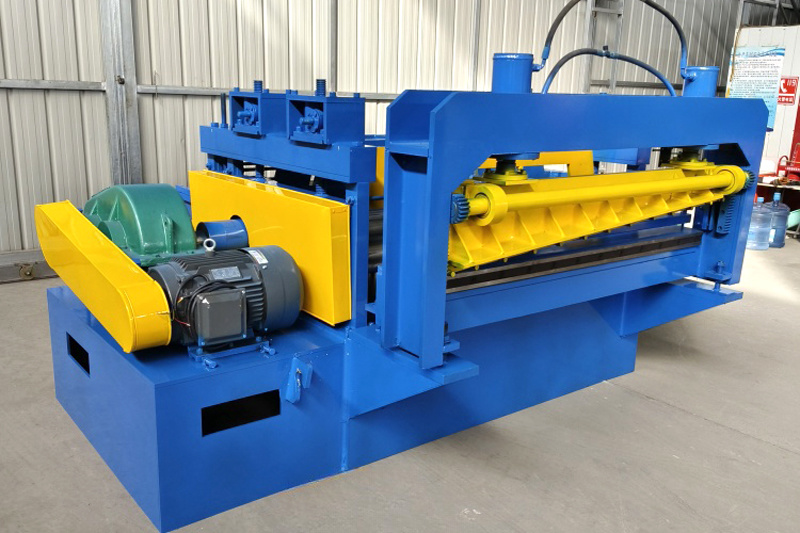
Hydraulic uncoilers play a crucial role in various industries, particularly in the processing of metal sheets and coils. These devices are designed to unwind coils of material, allowing for a smoother and more efficient production process. By using hydraulic systems, uncoilers provide significant advantages over traditional mechanical methods, including improved control, efficiency, and safety.
One of the primary functions of a hydraulic uncoiler is to support the unwinding of heavy coils. These coils can be made from various materials such as steel, aluminum, or plastic, and can weigh several tons. The hydraulic mechanism allows operators to gradually release the material without the risk of sudden jerks, which could lead to accidents or damage. This controlled unwinding is crucial in applications such as metal stamping, roll forming, and other manufacturing processes that require precision.
Key features of hydraulic uncoilers include adjustable unwind speed, automatic tension control, and the ability to accommodate various coil sizes. The adjustable unwind speed ensures that the material is released at a rate that is compatible with the downstream processing operations, minimizing the risk of material deformation. Automatic tension control maintains consistent pressure on the coil, preventing it from loosening or binding during the unwinding process.
In addition to these features, many hydraulic uncoilers are equipped with safety mechanisms such as emergency stop buttons and overload protection systems. These safety features are essential in industrial environments where heavy machinery is operated and can mitigate risks associated with equipment failure or operator error.
Another significant advantage of hydraulic uncoilers is their compatibility with various production lines. They can be integrated into automated systems, allowing for seamless transitions between different stages of manufacturing. This integration not only enhances productivity but also reduces labor costs and minimizes the likelihood of human error during the material handling process.
Furthermore, hydraulic uncoilers are adaptable to different production requirements. Whether a manufacturer needs to handle small coils or larger, heavier ones, hydraulic systems provide the flexibility needed to adjust to changing demands. This adaptability is vital for businesses that aim to remain competitive in a fast-paced manufacturing environment.
In conclusion, hydraulic uncoilers are indispensable tools in the industrial sector, significantly improving the efficiency and safety of material processing. By understanding the features and applications of these devices, professionals can make informed decisions to optimize their production processes. As industries continue to evolve, the role of hydraulic uncoilers will undoubtedly become even more critical in ensuring streamlined operations and high-quality output.
One of the primary functions of a hydraulic uncoiler is to support the unwinding of heavy coils. These coils can be made from various materials such as steel, aluminum, or plastic, and can weigh several tons. The hydraulic mechanism allows operators to gradually release the material without the risk of sudden jerks, which could lead to accidents or damage. This controlled unwinding is crucial in applications such as metal stamping, roll forming, and other manufacturing processes that require precision.
Key features of hydraulic uncoilers include adjustable unwind speed, automatic tension control, and the ability to accommodate various coil sizes. The adjustable unwind speed ensures that the material is released at a rate that is compatible with the downstream processing operations, minimizing the risk of material deformation. Automatic tension control maintains consistent pressure on the coil, preventing it from loosening or binding during the unwinding process.
In addition to these features, many hydraulic uncoilers are equipped with safety mechanisms such as emergency stop buttons and overload protection systems. These safety features are essential in industrial environments where heavy machinery is operated and can mitigate risks associated with equipment failure or operator error.
Another significant advantage of hydraulic uncoilers is their compatibility with various production lines. They can be integrated into automated systems, allowing for seamless transitions between different stages of manufacturing. This integration not only enhances productivity but also reduces labor costs and minimizes the likelihood of human error during the material handling process.
Furthermore, hydraulic uncoilers are adaptable to different production requirements. Whether a manufacturer needs to handle small coils or larger, heavier ones, hydraulic systems provide the flexibility needed to adjust to changing demands. This adaptability is vital for businesses that aim to remain competitive in a fast-paced manufacturing environment.
In conclusion, hydraulic uncoilers are indispensable tools in the industrial sector, significantly improving the efficiency and safety of material processing. By understanding the features and applications of these devices, professionals can make informed decisions to optimize their production processes. As industries continue to evolve, the role of hydraulic uncoilers will undoubtedly become even more critical in ensuring streamlined operations and high-quality output.
TAG:

Contact Us
E-mail :
chiyuan@chiyuanmachine.com
Phone/Wechat:
+86-13483837770
Address:
Botou Economic Development Zone, Cangzhou City, Hebei Province, China



Request Quote