Address:Botou, Cangzhou City, Hebei Province, China

Unveiling the Power: A Deep Dive into Hydraulic Uncoilers
Sep 24,2024
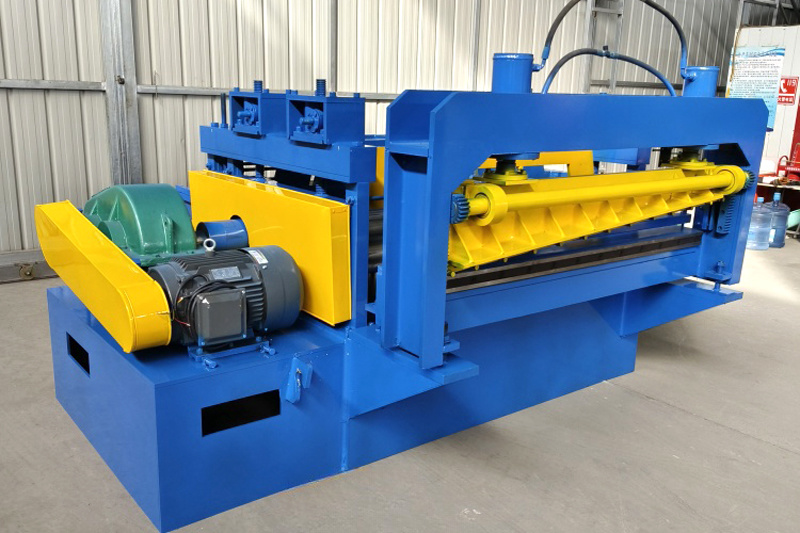
Unveiling the Power: A Deep Dive into Hydraulic Uncoilers
Table of Contents
- Introduction to Hydraulic Uncoilers
- What is a Hydraulic Uncoiler?
- Key Components of Hydraulic Uncoilers
- How Do Hydraulic Uncoilers Work?
- Applications of Hydraulic Uncoilers in Various Industries
- Advantages of Using Hydraulic Uncoilers
- Maintenance and Care for Hydraulic Uncoilers
- The Future of Hydraulic Uncoilers
- FAQs about Hydraulic Uncoilers
- Conclusion
Introduction to Hydraulic Uncoilers
The manufacturing sector thrives on efficiency and precision. Among the pivotal equipment used to enhance these aspects are **hydraulic uncoilers**. These machines not only aid in material handling but also contribute significantly to the speed and quality of production. In this article, we delve deeply into the workings, advantages, and applications of hydraulic uncoilers, providing a comprehensive understanding of their importance in the industrial landscape.
What is a Hydraulic Uncoiler?
A hydraulic uncoiler is a specialized piece of equipment designed to unwind coils of material, such as metal or plastic, in a controlled manner. Unlike manual uncoiling, which can be labor-intensive and prone to errors, hydraulic uncoilers automate this process, improving both safety and productivity. The hydraulic system provides the necessary power to control the tension and speed of the uncoiling process, ensuring that materials are unwound smoothly and consistently.
Types of Hydraulic Uncoilers
There are various types of hydraulic uncoilers, each designed for specific applications. The most common types include:
- **Single Mandrel Uncoilers**: These are designed for smaller coils and are often used in applications where flexibility is essential.
- **Double Mandrel Uncoilers**: Ideal for high-volume production, these machines can handle larger coils and allow for continuous operation by switching between mandrels.
- **Heavy-Duty Uncoilers**: Built to withstand heavier loads, these uncoilers are commonly used in steel processing plants.
Key Components of Hydraulic Uncoilers
A hydraulic uncoiler comprises several critical components that work in synergy to achieve optimal performance. Understanding these components is essential for effective operation and maintenance.
Hydraulic Cylinder
The hydraulic cylinder is the heart of the uncoiler, converting hydraulic energy into mechanical force. It controls the tension of the material being unwound, ensuring a smooth, consistent feed.
Mandrel
The mandrel is where the coil is placed. Depending on the design, it may be fixed or adjustable, allowing for various coil widths and diameters. The mandrel’s design is crucial for effective unwinding.
Control Panel
The control panel houses all the necessary controls for operating the hydraulic uncoiler. Operators can adjust settings such as speed, tension, and direction, providing flexibility in the unwinding process.
Base Frame
The base frame supports the entire structure of the uncoiler, ensuring stability during operation. A robust frame can withstand the rigors of heavy-duty use.
Hydraulic Pump
The hydraulic pump generates the pressure needed to operate the hydraulic cylinder, making it a vital component of the system. Its efficiency directly impacts the performance of the uncoiler.
How Do Hydraulic Uncoilers Work?
Understanding the operational mechanics of hydraulic uncoilers is crucial for both users and manufacturers. The process involves several stages:
1. **Loading the Coil**: The coil is placed onto the mandrel, where it is securely attached.
2. **Adjusting Settings**: Operators use the control panel to set the desired tension and unwinding speed according to the specific material and production requirements.
3. **Engaging the Hydraulic System**: Once the settings are adjusted, the hydraulic pump activates, pressurizing the hydraulic cylinder.
4. **Uncoiling Process**: The hydraulic cylinder exerts force on the mandrel, allowing the coil to unwind smoothly. The tension is regulated to prevent material damage.
5. **Material Feeding**: As the coil unwinds, the material is fed into the production line, where it can be processed further.
Applications of Hydraulic Uncoilers in Various Industries
Hydraulic uncoilers find application across several industries due to their versatility and efficiency. Here are some prominent sectors where these machines play a crucial role:
Metal Manufacturing
In metal processing, hydraulic uncoilers are essential for handling large sheets and coils, ensuring smooth feeding into cutting and shaping machines.
Automotive Industry
The automotive sector relies on hydraulic uncoilers for the precise handling of materials used in assembly lines, improving manufacturing speed and accuracy.
Plastic and Packaging
In the plastic industry, hydraulic uncoilers facilitate the unwinding of materials for film and packaging production, enhancing efficiency and reducing waste.
Construction Materials
Manufacturers of construction materials utilize hydraulic uncoilers to manage heavy coils of wire and other materials, aiding in the production of various construction components.
Textile Industry
Hydraulic uncoilers are also used in the textile industry for unwinding fabric rolls, ensuring consistent tension and preventing damage to delicate materials.
Advantages of Using Hydraulic Uncoilers
The implementation of hydraulic uncoilers in manufacturing processes offers numerous benefits:
Improved Productivity
By automating the uncoiling process, hydraulic uncoilers significantly reduce downtime and increase throughput, allowing manufacturers to meet high demand efficiently.
Enhanced Safety
Hydraulic uncoilers minimize the risk of injury associated with manual handling of heavy coils. They reduce the physical strain on operators, leading to a safer workplace.
Consistent Quality
With precise control over tension and speed, hydraulic uncoilers maintain consistent quality in material feeding, reducing defects and improving overall product quality.
Reduced Material Waste
Accurate unwinding reduces material wastage, maximizing the use of expensive raw materials and contributing to cost savings.
Flexibility and Adaptability
Hydraulic uncoilers can be easily calibrated for various materials and coil sizes, making them adaptable to different production needs.
Maintenance and Care for Hydraulic Uncoilers
Proper maintenance of hydraulic uncoilers is essential for ensuring their longevity and optimal performance. Here are key maintenance practices:
Regular Inspections
Routine inspections should be conducted to check for signs of wear and tear on components such as hydraulic cylinders and seals.
Hydraulic Fluid Checks
Regularly monitor the hydraulic fluid levels and replace the fluid as needed to prevent hydraulic system failures.
Cleaning
Keep the uncoiler clean from dust and debris to prevent contamination of hydraulic components and ensure smooth operation.
Professional Servicing
Engage with qualified technicians for periodic servicing of the hydraulic system to ensure all components function flawlessly.
The Future of Hydraulic Uncoilers
The future of hydraulic uncoilers looks promising with advancements in technology. Innovations such as **smart sensors**, **IoT integration**, and **automated control systems** are set to enhance the functionality of hydraulic uncoilers. These technologies will allow for real-time monitoring and adjustment, leading to even greater efficiency and reduced downtime.
FAQs about Hydraulic Uncoilers
What materials can hydraulic uncoilers handle?
Hydraulic uncoilers can handle various materials, including metals, plastics, textiles, and more. Their versatility makes them suitable for multiple applications.
How do I choose the right hydraulic uncoiler for my needs?
Consider factors such as the type of material, coil size, production speed, and specific application requirements when selecting a hydraulic uncoiler.
What maintenance is required for hydraulic uncoilers?
Routine inspections, hydraulic fluid checks, cleaning, and professional servicing are essential for maintaining hydraulic uncoilers.
Can hydraulic uncoilers be customized?
Yes, many manufacturers offer customizable options to suit specific production needs, including size, speed, and additional features.
How does a hydraulic uncoiler improve safety in the workplace?
By automating the unwinding process, hydraulic uncoilers reduce the physical strain on workers and minimize the risk of injuries associated with manual handling.
Conclusion
In conclusion, hydraulic uncoilers are indispensable tools that enhance productivity, safety, and efficiency in various manufacturing processes. Understanding their components, operation, and maintenance can lead to better utilization and longevity of these machines. As technology continues to evolve, we can anticipate even greater advancements in hydraulic uncoiler design and functionality, ensuring that they remain a cornerstone of modern industrial operations. Investing in hydraulic uncoilers is not just a choice for efficiency—it is a step toward a future of smarter, safer manufacturing.
TAG:

Contact Us
E-mail :
chiyuan@chiyuanmachine.com
Phone/Wechat:
+86-13483837770
Address:
Botou Economic Development Zone, Cangzhou City, Hebei Province, China



Request Quote