Address:Botou, Cangzhou City, Hebei Province, China

Unlocking Efficiency: The Transformative Benefits of Double Layer Tile Press Technology
Aug 01,2024
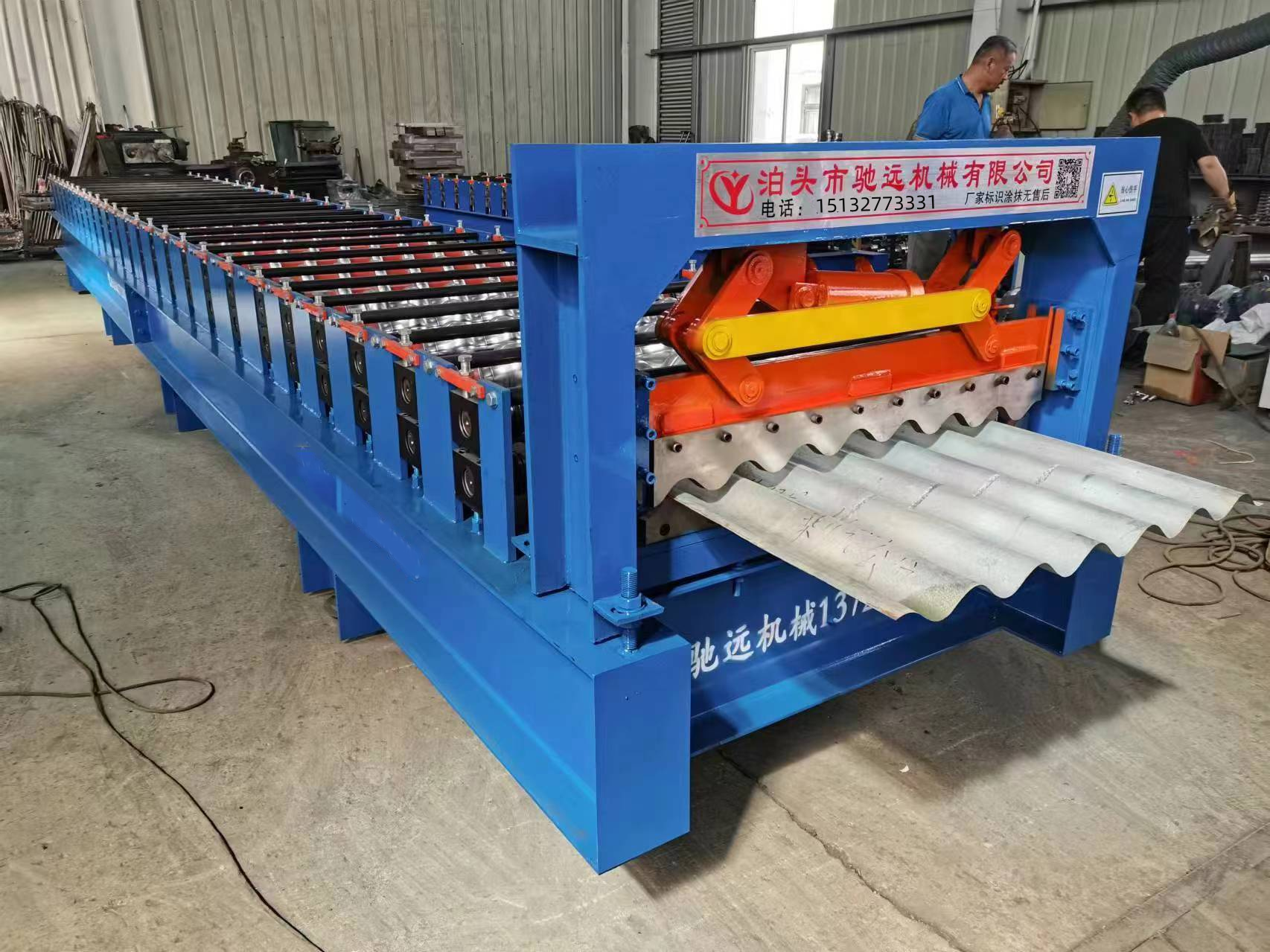
Unlocking Efficiency: The Transformative Benefits of Double Layer Tile Press Technology
Table of Contents
- 1. Introduction to Double Layer Tile Press Technology
- 2. What is Double Layer Tile Press Technology?
- 3. Benefits of Double Layer Tile Press Technology
- 4. Applications of Double Layer Tile Press Technology
- 5. Future Trends in Double Layer Tile Press Technology
- 6. Choosing the Right Double Layer Tile Press
- 7. Key Considerations for Customers
- 8. Frequently Asked Questions
- 9. Conclusion
1. Introduction to Double Layer Tile Press Technology
In the rapidly evolving landscape of manufacturing, particularly in the construction sector, efficiency and innovation are paramount. **Double layer tile press technology** has emerged as a game changer, offering unprecedented advantages that enhance productivity and quality in tile manufacturing. This technology integrates two layers of material into the tile production process, allowing for a more refined product and streamlined operations.
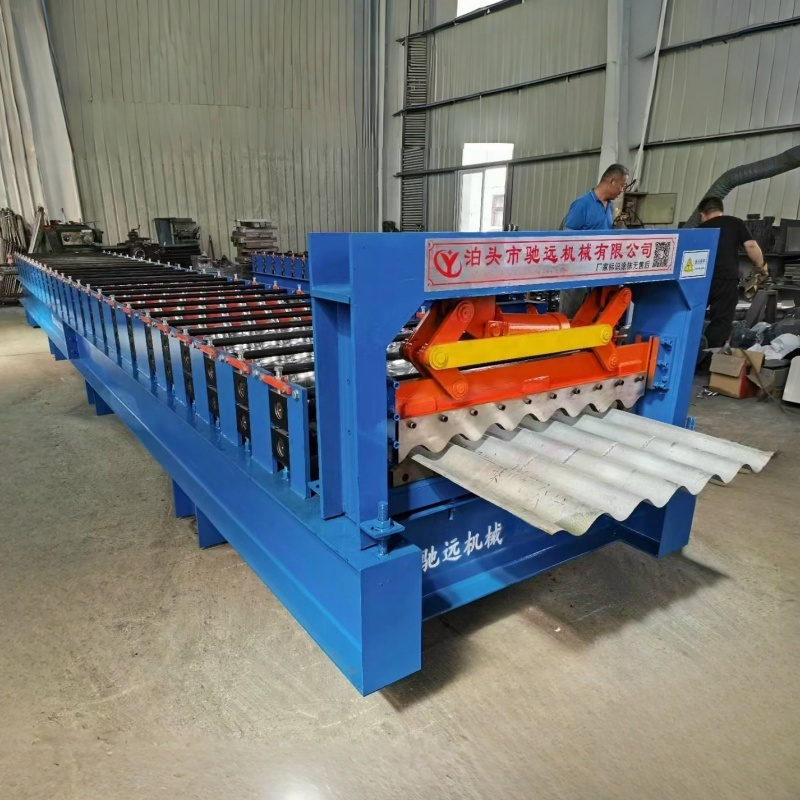
2. What is Double Layer Tile Press Technology?
Double layer tile press technology refers to a specialized manufacturing process where tiles are produced with two distinct layers. The upper layer serves aesthetic and functional purposes, while the lower layer provides structural support and durability. This technology typically employs advanced machinery that precisely presses the layers together, ensuring a strong bond and optimal performance.
3. Benefits of Double Layer Tile Press Technology
3.1 Enhanced Production Efficiency
One of the most significant benefits of double layer tile press technology is its ability to drastically improve production efficiency. By combining two layers in one press cycle, manufacturers can produce more tiles in less time. This not only accelerates production rates but also reduces labor costs, allowing businesses to allocate resources more effectively.
3.2 Cost-Effectiveness and Resource Optimization
The implementation of double layer tile press technology can lead to substantial cost savings. With fewer production steps required, manufacturers can reduce operational expenses associated with energy consumption and material waste. Additionally, this technology allows for the use of alternative materials in the lower layer, which can further cut costs while maintaining product integrity.
3.3 Improved Product Quality
Double layer tile press technology enhances product quality by ensuring uniformity in thickness and density across the tile. The advanced pressing mechanism allows for tighter control over the manufacturing process, resulting in tiles with superior surface finishes and fewer defects. This consistency not only boosts customer satisfaction but also reduces returns and warranty claims.
3.4 Environmental Sustainability
As industries increasingly adopt sustainable practices, double layer tile press technology aligns with these goals. The reduction in material waste and energy consumption contributes to a lower environmental footprint. Furthermore, manufacturers can explore eco-friendly materials for the lower layer, promoting sustainability without compromising on quality.
3.5 Flexibility in Design and Production
Double layer tile press technology offers unparalleled flexibility in design. Manufacturers can easily experiment with different combinations of materials, colors, and textures to create unique tile designs. This adaptability not only caters to diverse customer preferences but also enables businesses to stay ahead in a competitive market.
4. Applications of Double Layer Tile Press Technology
Double layer tile press technology finds applications across various sectors, including residential, commercial, and industrial construction. Its versatility makes it suitable for producing floor tiles, wall tiles, and even decorative tiles that require intricate designs. The technology is also ideal for creating tiles that meet specific performance criteria, such as slip resistance and thermal insulation.
5. Future Trends in Double Layer Tile Press Technology
As technology continues to evolve, the future of double layer tile press technology appears promising. Innovations in automation, artificial intelligence, and machine learning are expected to further enhance production capabilities. Additionally, the growing demand for personalized and sustainable products will drive the development of more advanced tile press systems, enabling manufacturers to meet diverse market needs.
6. Choosing the Right Double Layer Tile Press
When selecting a double layer tile press, manufacturers must consider several factors to ensure they choose the right equipment for their needs. Key considerations include the press's capacity, energy efficiency, compatibility with various materials, and ease of operation. Investing in high-quality machinery can lead to long-term benefits in productivity and cost savings.
7. Key Considerations for Customers
Customers looking to invest in double layer tiles should be aware of several key factors. These include the durability of the tiles, the aesthetic appeal, and the environmental impact of the production process. Additionally, understanding the technical specifications of the tiles can help customers make informed decisions that align with their project needs and budget.
8. Frequently Asked Questions
What are the key advantages of using double layer tile press technology?
Double layer tile press technology offers enhanced production efficiency, cost savings, improved product quality, environmental sustainability, and design flexibility.
Is double layer tile technology more expensive than traditional methods?
While initial investment costs may be higher, the long-term savings from reduced waste and energy consumption can offset these costs, making it a cost-effective choice.
Can double layer tiles be customized?
Yes, one of the significant benefits of double layer tile press technology is the ability to customize designs, colors, and textures to meet specific customer preferences.
How does double layer tile technology contribute to sustainability?
This technology reduces material waste and energy consumption, and it allows for the use of eco-friendly materials, contributing to a lower environmental footprint.
What industries benefit from double layer tile technology?
Double layer tile press technology is beneficial in residential, commercial, and industrial construction sectors, making it versatile for various applications.
9. Conclusion
Double layer tile press technology is reshaping the landscape of tile manufacturing by unlocking unprecedented efficiency and quality. Its numerous benefits, from enhanced production rates to environmental sustainability, make it an essential consideration for manufacturers and customers alike. As we move towards an increasingly competitive and eco-conscious market, embracing this technology will not only drive business success but also pave the way for a more sustainable future in the construction industry.

Contact Us
E-mail :
chiyuan@chiyuanmachine.com
Phone/Wechat:
+86-13483837770
Address:
Botou Economic Development Zone, Cangzhou City, Hebei Province, China



Request Quote