Address:Botou, Cangzhou City, Hebei Province, China

Unlocking the Power of C/Z Steel Units in Modern Manufacturing
Aug 07,2024
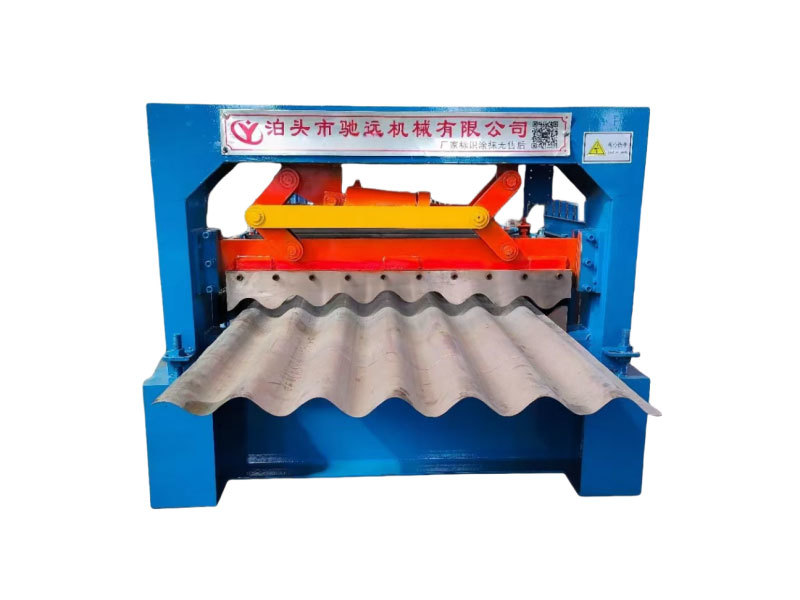
Unlocking the Power of C/Z Steel Units in Modern Manufacturing
Introduction to C/Z Steel Units
In today’s fast-paced manufacturing environment, efficiency and durability are paramount. C/Z steel units are gaining traction as essential components in structural engineering, offering a unique combination of strength and versatility. These units are designed to meet the demanding needs of various industries, including construction, automotive, and aerospace. Understanding the advantages of C/Z steel units can revolutionize manufacturing processes, leading to improved productivity and enhanced structural integrity.
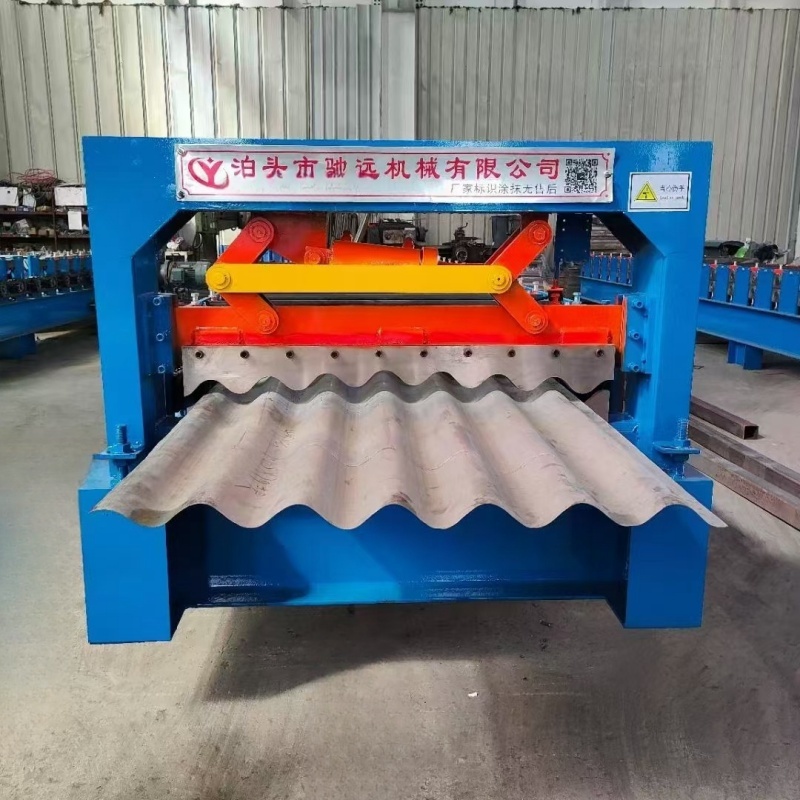
What Are C/Z Steel Units?
C/Z steel units are cold-formed steel sections used primarily in the construction of buildings, warehouses, and other structures. The "C" and "Z" refer to the shape of the steel members, which are designed to provide optimal load-bearing capacity. Depending on the design requirements, these units can be used either as primary structural elements or secondary framing components.
Applications of C/Z Steel Units in Manufacturing
C/Z steel units find applications in a variety of sectors. Their adaptability makes them suitable for:
1. Structural Framing
C/Z steel units serve as crucial components in structural framing systems. Their lightweight nature allows for easy handling and installation, while their strength ensures that they can withstand substantial loads.
2. Roof and Wall Systems
These steel units are commonly used in the construction of roofs and walls, offering resistance to wind loads and seismic forces. They can be integrated with various cladding systems, enhancing the building’s aesthetic appeal and functionality.
3. Mezzanines and Platforms
C/Z steel units are ideal for forming mezzanines and elevated platforms. Their strength and ability to span considerable distances without additional support make them a popular choice in manufacturing and warehouse applications.
4. Material Handling Systems
In manufacturing facilities, C/Z steel units are often utilized in material handling systems, including shelving and racking. Their robust design ensures that they can support heavy loads, contributing to safer and more efficient operations.
The Advantages of Using C/Z Steel Units
The utilization of C/Z steel units offers myriad benefits that enhance manufacturing processes.
1. Enhanced Structural Integrity
C/Z steel units provide exceptional strength-to-weight ratios. This characteristic not only ensures the structural integrity of buildings but also reduces the overall weight of the construction, resulting in lower foundation costs.
2. Cost-Effectiveness
Choosing C/Z steel units can lead to significant cost savings. Their lightweight nature reduces transportation costs, and their rapid installation speeds up project timelines, minimizing labor costs.
3. Design Flexibility
The versatility of C/Z steel units allows for various design configurations. They can be easily modified to meet specific project requirements, accommodating different building designs and layouts.
4. Sustainability
C/Z steel is often made from recycled materials, and its durability contributes to a longer lifecycle for structures. This focus on sustainability aligns with modern manufacturing practices that prioritize environmental responsibility.
5. Low Maintenance Requirements
C/Z steel units require minimal maintenance compared to traditional materials. Their resistance to corrosion and other environmental factors ensures longevity and reduces the need for frequent repairs.
Installation and Fabrication of C/Z Steel Units
The installation and fabrication processes of C/Z steel units are crucial to their performance. Understanding these processes helps manufacturers ensure high-quality outcomes.
1. Design Considerations
Proper design is essential for the effective use of C/Z steel units. Engineers should consider load requirements, environmental factors, and aesthetic preferences when designing structures that incorporate these units.
2. Fabrication Techniques
C/Z steel units are typically fabricated using advanced machinery, allowing for precision in cuts and bends. Techniques such as cold-rolling enable the production of complex shapes while maintaining the material's structural integrity.
3. Installation Methods
The installation of C/Z steel units requires skilled labor familiar with the specific assembly techniques. Proper alignment and securing of the units are critical to ensure stability and performance.
Future Trends in C/Z Steel Unit Usage
As industries evolve, the use of C/Z steel units is expected to grow. Emerging trends include:
1. Integration with Smart Technologies
The future of C/Z steel units may see their integration with smart building technologies. Sensors embedded within the steel can monitor structural integrity and environmental conditions, enabling proactive maintenance.
2. Customization and 3D Printing
Advancements in manufacturing technologies, such as 3D printing, allow for greater customization of C/Z steel units. This capability can lead to more efficient designs tailored to specific project needs.
3. Increased Focus on Sustainability
With a growing emphasis on environmental sustainability, manufacturers may prioritize the use of C/Z steel units made from recycled materials, enhancing their eco-friendly profile.
Challenges in Implementing C/Z Steel Units
Despite their advantages, implementing C/Z steel units can present challenges.
1. Initial Costs
While C/Z steel units can lead to long-term savings, the initial costs can be a barrier for some manufacturers. Budget considerations may impact the decision to invest in these materials.
2. Skilled Labor Shortages
The specialized knowledge required for the design and installation of C/Z steel units can lead to labor shortages. Manufacturers must invest in training programs to develop skilled workers.
3. Regulatory Compliance
Navigating building codes and regulations can be complex. Manufacturers must ensure compliance with local and national standards when utilizing C/Z steel units.
FAQs About C/Z Steel Units
1. What are the primary uses of C/Z steel units?
C/Z steel units are primarily used in structural framing, roof and wall systems, mezzanines, platforms, and material handling systems.
2. How do C/Z steel units compare to traditional steel?
C/Z steel units offer a better strength-to-weight ratio, making them lighter and often more cost-effective than traditional steel options.
3. Are C/Z steel units environmentally friendly?
Yes, C/Z steel units can be made from recycled materials, and their durability contributes to a longer lifecycle for structures, promoting sustainability.
4. What are the installation requirements for C/Z steel units?
Installation requires skilled labor familiar with assembly techniques and proper alignment to ensure stability and performance.
5. How can manufacturers overcome challenges in using C/Z steel units?
Manufacturers can invest in training programs for their workforce, conduct thorough budget planning, and stay informed about regulatory standards to mitigate challenges.
Conclusion
C/Z steel units have emerged as a vital component of modern manufacturing, offering unparalleled versatility, strength, and sustainability. As industries continue to evolve, the adoption of C/Z steel units will likely expand, driven by the need for effective, efficient, and environmentally friendly construction solutions. By embracing these innovative steel units, manufacturers can enhance their operations, reduce costs, and contribute to a sustainable future, unlocking the full potential of their manufacturing capabilities.

Contact Us
E-mail :
chiyuan@chiyuanmachine.com
Phone/Wechat:
+86-13483837770
Address:
Botou Economic Development Zone, Cangzhou City, Hebei Province, China



Request Quote