Address:Botou, Cangzhou City, Hebei Province, China

Tile Machine Performance Metrics: Essential Measurements for Optimal Efficiency
Aug 13,2024
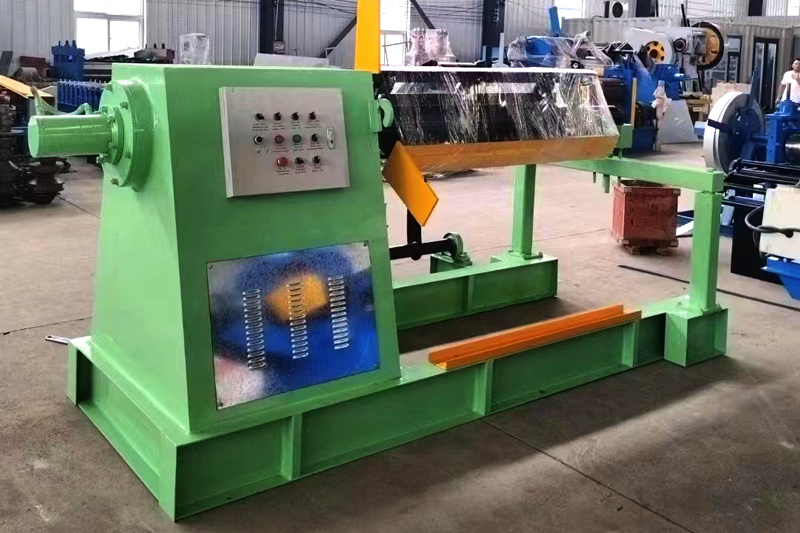
Tile Machine Performance Metrics: What to Measure
Introduction
In the fast-paced world of tile manufacturing, understanding **tile machine performance metrics** is crucial for optimizing production efficiency and maintaining competitive advantages. Whether you are a seasoned professional in the industry or just getting started, measuring the right performance metrics can provide insights into your machine's operation, leading to improved productivity and reduced operational costs.
This article will explore the key performance metrics that every tile manufacturer should monitor. From production rates to energy efficiency, we'll cover the essential measurements that can help you make informed decisions to enhance your operations.
Table of Contents
1. Importance of Performance Metrics in Tile Manufacturing
2. Key Metrics to Measure
2.1 Production Rate
2.2 Energy Consumption
2.3 Quality of Output
2.4 Downtime and Availability
2.5 Maintenance Costs
3. Analyzing Production Rate
4. Understanding Energy Efficiency
5. Quality Control Measures
6. Impact of Downtime on Performance
7. Cost-Benefit Analysis of Maintenance
8. Conclusion
9. Frequently Asked Questions (FAQs)
1. Importance of Performance Metrics in Tile Manufacturing
In tile manufacturing, performance metrics serve as the backbone of operational excellence. They provide manufacturers with a comprehensive view of their production processes, enabling them to identify bottlenecks, reduce waste, and enhance product quality. Monitoring these key metrics helps manufacturers not only in achieving their production goals but also in making strategic decisions about investments and process improvements.
2. Key Metrics to Measure
When it comes to assessing tile machine performance, several metrics stand out as critical indicators. Understanding these metrics will allow manufacturers to pinpoint areas for improvement and drive operational success.
2.1 Production Rate
The **production rate** is one of the most vital metrics in tile manufacturing. It measures the output of tiles over a specific time frame, usually expressed in square meters or tiles produced per hour. This metric helps manufacturers evaluate the efficiency of their machines and identify potential improvements in production processes.
To optimize the production rate, manufacturers should regularly monitor machine performance and ensure that production schedules are adhered to. Any deviations can lead to significant losses in productivity.
2.2 Energy Consumption
Energy consumption plays a crucial role in determining the overall cost-effectiveness of tile manufacturing. **Monitoring energy usage** can help manufacturers identify energy-intensive processes and implement energy-saving measures. By focusing on energy efficiency, manufacturers can reduce operational costs while maintaining productivity levels.
Investing in energy-efficient machinery or optimizing existing equipment can yield significant savings in the long run, making energy consumption an essential performance metric to track.
2.3 Quality of Output
Quality should never be compromised in tile manufacturing. Measuring the **quality of output** involves assessing the finished product for defects, consistency, and adherence to specifications. High-quality output not only satisfies customer demands but also minimizes waste and rework costs.
Implementing a robust quality control system that includes regular inspections and testing can ensure that the products meet the required standards and enhance the overall reputation of the manufacturer.
2.4 Downtime and Availability
**Downtime** refers to the periods when machines are not operational due to maintenance, breakdowns, or other issues. Understanding the causes of downtime and measuring its impact on production is essential for improving machine availability. High levels of downtime can significantly affect overall productivity and increase operational costs.
To minimize downtime, manufacturers should invest in preventive maintenance programs and real-time monitoring systems that can help detect potential issues before they lead to machine failures.
2.5 Maintenance Costs
**Maintenance costs** encompass the expenses associated with keeping machines operational. This includes routine maintenance, repairs, and any necessary upgrades. Analyzing maintenance costs in relation to production output can provide insights into the cost-effectiveness of your operations.
By tracking maintenance expenses, manufacturers can identify trends and make strategic decisions about machinery replacements or upgrades, ultimately leading to lower operational costs.
3. Analyzing Production Rate
To effectively analyze the production rate, manufacturers should consider several factors. Begin by establishing baseline production rates based on historical data. This will provide a reference point for measuring improvements over time.
Next, identify any external factors that may impact production. These can include raw material availability, labor efficiency, and machine maintenance schedules. Regularly reviewing and adjusting production goals based on these factors will help maintain optimal production rates.
Utilizing technologies such as **IoT (Internet of Things)** and automation can further enhance the ability to monitor and analyze production rates in real-time. This data can guide decision-making and streamline production processes.
4. Understanding Energy Efficiency
Evaluating energy efficiency is crucial for sustainable manufacturing practices. Begin by measuring the energy consumption per unit of output. This metric will help identify which processes are energy-intensive and where improvements can be made.
Additionally, consider investing in energy audits to assess the overall energy efficiency of your manufacturing facility. These audits can reveal areas for improvement, such as upgrading to energy-efficient lighting, optimizing HVAC systems, or using renewable energy sources.
Implementing energy management systems can also help monitor energy usage continuously. These systems provide valuable insights and help identify trends in energy consumption, enabling manufacturers to make informed decisions about energy-saving initiatives.
5. Quality Control Measures
Ensuring high-quality output requires a structured approach to quality control. Implement a quality management system that includes clear specifications for the products being manufactured. Regular inspections and testing should be embedded in the production process.
Incorporating feedback loops into the production cycle can help identify defects early on, reducing waste and rework. Training employees in quality standards and involving them in quality assurance processes can foster a culture of quality throughout the organization.
6. Impact of Downtime on Performance
Understanding the impact of downtime on overall performance is crucial for optimizing tile manufacturing operations. Start by categorizing downtime into planned (e.g., maintenance) and unplanned (e.g., breakdowns). Analyzing these categories will provide insights into recurring issues and help develop strategies to mitigate them.
Utilizing predictive maintenance technologies can significantly reduce unplanned downtime. These technologies use data analytics to predict when a machine is likely to fail, allowing for timely interventions and minimizing disruptions to production.
7. Cost-Benefit Analysis of Maintenance
Conducting a cost-benefit analysis of maintenance practices can help manufacturers determine the most effective maintenance strategies. Start by evaluating the costs associated with routine maintenance, emergency repairs, and any downtime incurred due to maintenance activities.
Next, compare these costs to the benefits gained from improved machine performance and reduced downtime. This analysis can guide decisions about whether to implement preventive maintenance programs or invest in new technologies that enhance maintenance efficiency.
8. Conclusion
In the competitive landscape of tile manufacturing, understanding and measuring key performance metrics is essential for achieving operational excellence. By focusing on critical metrics such as production rate, energy consumption, quality of output, downtime, and maintenance costs, manufacturers can make informed decisions that drive efficiency and reduce costs.
Regularly monitoring these performance metrics allows manufacturers to identify areas for improvement, implement effective strategies, and ultimately enhance productivity. In the evolving world of tile manufacturing, leveraging data and technology will be key to staying ahead of the competition.
9. Frequently Asked Questions (FAQs)
What are the most important performance metrics for tile machines?
The most important performance metrics for tile machines include production rate, energy consumption, quality of output, downtime, and maintenance costs.
How can I improve the production rate of my tile machine?
To improve the production rate, monitor machine performance regularly, optimize production schedules, and consider investing in automation technologies.
What role does energy efficiency play in tile manufacturing?
Energy efficiency is crucial as it helps reduce operational costs and environmental impact. Monitoring energy usage can lead to significant savings.
How can downtime be minimized in tile manufacturing?
Minimizing downtime can be achieved through preventive maintenance, real-time monitoring, and investing in predictive maintenance technologies.
Why is quality control important in tile manufacturing?
Quality control is essential to ensure that the products meet specifications, satisfy customer expectations, and minimize waste due to defects.
By focusing on these performance metrics, tile manufacturers can not only improve their operational efficiency but also enhance their overall competitiveness in the market.

Contact Us
E-mail :
chiyuan@chiyuanmachine.com
Phone/Wechat:
+86-13483837770
Address:
Botou Economic Development Zone, Cangzhou City, Hebei Province, China



Request Quote