Address:Botou, Cangzhou City, Hebei Province, China

How C/Z Steel Units Revolutionize Structural Design
Aug 19,2024
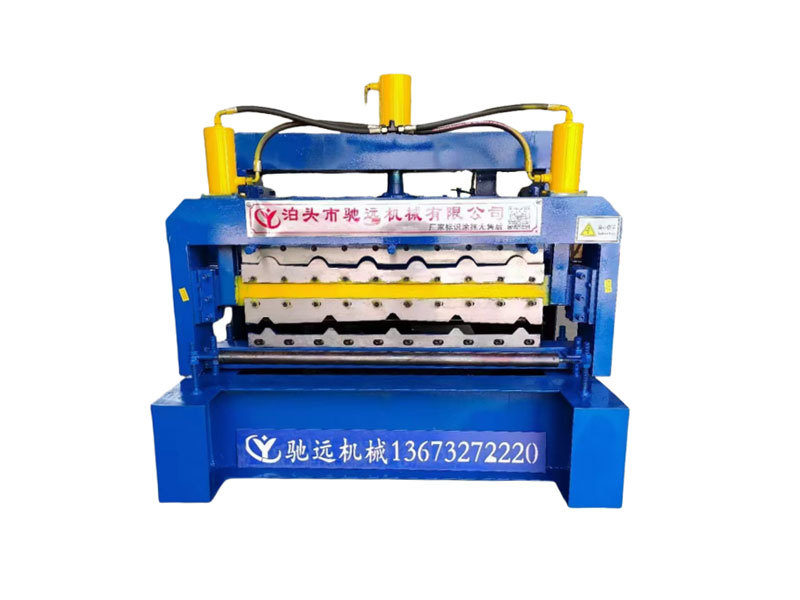
How C/Z Steel Units Revolutionize Structural Design
Understanding C/Z Steel Units: An Overview
C/Z steel units are advanced structural components used extensively in modern construction. Their unique design allows for flexibility, strength, and ease of installation, making them ideal for a variety of applications, including residential, commercial, and industrial buildings. In this article, we will delve into how C/Z steel units are revolutionizing structural design and the myriad benefits they offer to engineers and architects.
The Evolution of Construction Materials
The construction industry has undergone significant changes over the years, with a gradual shift from traditional materials like wood and concrete to more innovative options. The introduction of steel units, particularly C/Z shapes, represents a critical advancement in construction materials that has contributed to enhanced structural integrity and design flexibility.
The Significance of C/Z Shapes
C/Z steel units are named for their distinctive cross-sectional shapes, resembling the letters "C" and "Z." These shapes provide inherent structural advantages, including:
- **Increased Load-Bearing Capacity**: The design of C/Z steel units allows them to bear heavier loads while maintaining structural integrity.
- **Versatility in Design**: Engineers can easily manipulate the dimensions and configurations of C/Z units to suit various architectural needs.
- **Cost-Effectiveness**: The efficiency of C/Z steel units leads to reduced material waste and faster construction times, ultimately lowering project costs.
Benefits of Using C/Z Steel Units in Structural Design
C/Z steel units offer a wealth of benefits that can significantly enhance the structural design of any project. Here are some key advantages:
Enhanced Structural Stability
C/Z steel units provide superior stability and strength, making them ideal for projects requiring robust structural support. Their unique design minimizes the risk of deformation under load, ensuring that buildings remain safe and secure over time.
Improved Construction Efficiency
The lightweight nature of C/Z units simplifies handling and installation processes. This reduction in weight leads to quicker assembly times, allowing contractors to complete projects more efficiently. Consequently, labor costs are reduced, and project timelines are shortened.
Design Flexibility and Aesthetic Appeal
C/Z steel units can be tailored to meet specific design requirements, offering architects and designers the freedom to create unique structures. Whether it's a modern industrial facility or a sleek commercial building, C/Z units can be adapted to fit various aesthetic preferences without sacrificing structural performance.
Environmental Benefits
The sustainable use of materials is becoming increasingly important in construction. C/Z steel units are often manufactured from recycled steel, making them an eco-friendly choice. Additionally, their durability ensures that buildings last longer, reducing the need for frequent replacements and minimizing waste.
Applications of C/Z Steel Units in Modern Construction
The versatility of C/Z steel units allows them to be utilized in a wide range of construction applications. Some notable examples include:
Commercial Structures
C/Z steel units are commonly used in the construction of warehouses, retail spaces, and office buildings. Their adaptability allows for large open spaces, which are essential for modern commercial architecture.
Industrial Facilities
Manufacturing plants and distribution centers benefit from the strength and durability of C/Z units. These structures require robust support systems to accommodate heavy machinery and equipment, making C/Z steel units an ideal choice.
Residential Buildings
C/Z steel units are increasingly being adopted in residential construction, particularly in modular and prefabricated homes. Their lightweight design allows for easier transport and assembly, resulting in faster project completion.
Design Considerations for C/Z Steel Units
While C/Z steel units offer numerous benefits, proper design and engineering considerations are crucial to maximizing their effectiveness. Here are some factors to consider:
Load Calculations
Engineers must accurately calculate the expected loads on C/Z units to ensure safety and performance. This process involves assessing factors such as live loads, dead loads, and environmental conditions.
Connection Details
The connections between C/Z steel units and other structural elements are critical for maintaining integrity. Proper detailing of connections, including welds and bolts, is essential for achieving optimal performance.
Corrosion Protection
To ensure longevity, C/Z steel units should be treated for corrosion resistance. This may involve galvanization or the application of protective coatings, especially in environments prone to moisture.
Challenges in Implementing C/Z Steel Units
Despite their advantages, there are challenges associated with the use of C/Z steel units that industry professionals need to be aware of:
Cost Variability
While C/Z units are generally cost-effective, fluctuations in steel prices can impact overall project budgets. It is crucial to account for these variables during the planning process.
Specialized Knowledge Requirements
The successful implementation of C/Z steel units requires specialized knowledge in structural engineering and design. Ensuring that the project team is well-versed in these concepts is essential for achieving desired outcomes.
Future Trends in C/Z Steel Unit Design
As technology continues to evolve, the future of C/Z steel units in structural design looks promising. Here are some emerging trends:
Smart Construction Techniques
The integration of smart technology in construction processes is on the rise. C/Z steel units may be paired with sensors to monitor structural health, providing real-time data on load distribution and potential issues.
3D Printing and Prefabrication
Advancements in 3D printing technology could revolutionize the production of C/Z steel units, allowing for more intricate designs and faster manufacturing processes. Prefabricated units will likely become more common as efficiency becomes a priority.
FAQs About C/Z Steel Units
What are the key differences between C and Z steel units?
C steel units have a C-shaped cross-section, while Z steel units have a Z-shaped cross-section. The primary difference lies in their load-bearing capabilities and structural applications.
Are C/Z steel units environmentally friendly?
Yes, C/Z steel units are often made from recycled materials, and their durability contributes to more sustainable construction practices.
Can C/Z steel units be used for residential construction?
Absolutely! C/Z steel units are increasingly popular in residential projects, especially for modular and prefabricated homes.
How do C/Z steel units compare to traditional materials?
C/Z steel units offer superior strength, lighter weight, and greater design flexibility compared to traditional materials like wood and concrete.
What factors should be considered when designing with C/Z steel units?
Key considerations include load calculations, connection detailing, and corrosion protection measures.
Conclusion
C/Z steel units are revolutionizing structural design by offering unparalleled strength, flexibility, and efficiency. Their unique shapes and properties allow architects and engineers to create innovative structures that meet modern demands while being environmentally friendly. As the construction industry continues to evolve, the adoption of C/Z steel units will likely increase, paving the way for a new era of sustainable and efficient building practices.

Contact Us
E-mail :
chiyuan@chiyuanmachine.com
Phone/Wechat:
+86-13483837770
Address:
Botou Economic Development Zone, Cangzhou City, Hebei Province, China



Request Quote