Address:Botou, Cangzhou City, Hebei Province, China

Understanding the Technology Behind Glazed Tile Equipment: A Comprehensive Guide
Jun 04,2025
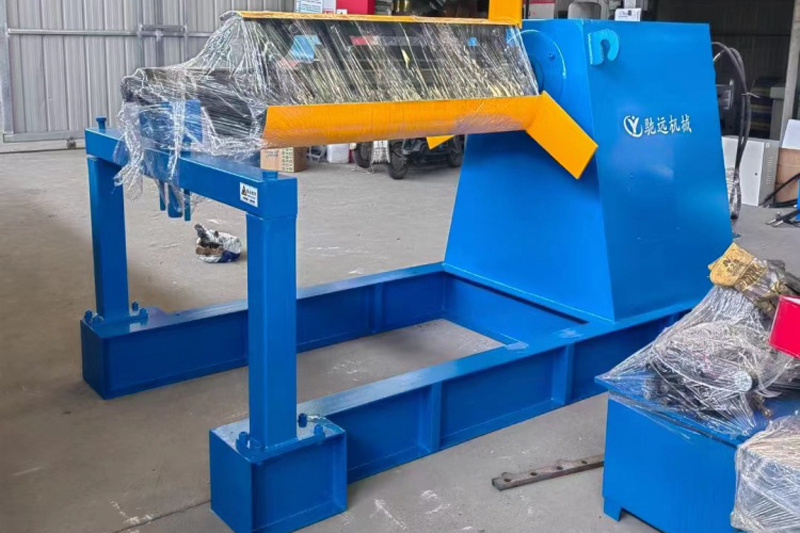
Understanding the Technology Behind Glazed Tile Equipment
Manufacturing glazed tiles involves a fascinating combination of art and technology. This article serves as an extensive guide to the machinery, processes, and innovations that define the glazed tile production landscape. By understanding the technologies behind these processes, industry professionals can enhance efficiency, improve product quality, and stay ahead of market demands.
Table of Contents
1. Introduction to Glazed Tile Equipment
2. The Glazing Process: An Overview
3. Key Technologies in Glazed Tile Production
3.1 Raw Materials for Glazed Tiles
3.2 Tile Forming Techniques
3.3 Glazing Methods
3.4 Firing Technologies
4. Innovations in Glazed Tile Equipment
4.1 Automation in Tile Manufacturing
4.2 Sustainable Practices in Glazing Technology
5. Maintenance and Care for Glazed Tile Equipment
6. Frequently Asked Questions about Glazed Tile Production
7. Conclusion: The Future of Glazed Tile Technology
1. Introduction to Glazed Tile Equipment
Glazed tiles are a staple in both commercial and residential construction. They provide aesthetic appeal, durability, and resistance to moisture, making them ideal for various applications. The equipment used in their production is sophisticated and highly specialized. Understanding how these machines operate and the technologies behind them is crucial for stakeholders in the manufacturing and construction industries.
2. The Glazing Process: An Overview
The glazing process involves several critical steps, each requiring specific machinery and technology. It begins with the preparation of raw materials, which are then shaped into tiles, coated with glaze, and subjected to high temperatures for firing. Each stage in the process plays an integral role in determining the quality and characteristics of the final product.
3. Key Technologies in Glazed Tile Production
To understand the technology behind glazed tile equipment, it’s essential to explore the various components involved in the production process.
3.1 Raw Materials for Glazed Tiles
**The foundation of any successful glazed tile** lies in the quality of its raw materials. Typically, these materials include clays, feldspar, quartz, and various additives. Each component serves a purpose: clays provide plasticity, feldspar acts as a flux, and quartz adds strength and texture. The precise formulation varies depending on the desired properties of the finished tile.
3.2 Tile Forming Techniques
After preparing the raw materials, the next step is shaping them into tiles. Several techniques are used in tile forming:
- **Extrusion:** A common method where a mixture of clay is forced through a die to create long strips, which are then cut into tiles.
- **Pressing:** In this process, dry powder is compacted under high pressure to form tiles, resulting in a denser product.
- **Casting:** This technique involves pouring a slurry of clay into molds, where it solidifies to form tiles.
Each method impacts the tile's density, texture, and final appearance.
3.3 Glazing Methods
Once the tiles are formed, they undergo glazing to enhance their appearance and durability. The main glazing methods include:
- **Spray Application:** A popular method where glaze is sprayed onto the tile surface, allowing for a uniform coating.
- **Dipping:** Involves immersing tiles into a bath of glaze, ensuring full coverage on all surfaces.
- **Screen Printing:** For decorative tiles, screen printing allows for intricate designs to be applied to the tile surface.
Selecting the appropriate glazing method can significantly affect the tile's visual appeal and performance.
3.4 Firing Technologies
Firing is a critical phase, as it transforms the raw materials and glaze into a durable final product. Various firing techniques are employed:
- **High-Temperature Firing:** Typically occurs at temperatures above 1200°C, ensuring the glaze bonds effectively with the tile.
- **Fast Firing:** This innovative technique reduces firing time while maintaining product quality, making production more efficient.
Advancements in kiln technology, such as the use of energy-efficient designs, have streamlined this process while minimizing environmental impact.
4. Innovations in Glazed Tile Equipment
The glazed tile industry is constantly evolving with new technologies that enhance production quality and efficiency.
4.1 Automation in Tile Manufacturing
Automation has revolutionized the tile manufacturing process. Robotics and AI-driven systems can control various stages of production, from raw material handling to glazing and packaging. Automation not only increases production speed but also reduces human error, leading to higher quality tiles.
4.2 Sustainable Practices in Glazing Technology
Sustainability is a growing concern in the tile industry. Manufacturers are increasingly adopting eco-friendly practices, such as using recycled materials, reducing water consumption, and implementing energy-efficient firing techniques. These innovations not only lower production costs but also contribute positively to environmental conservation.
5. Maintenance and Care for Glazed Tile Equipment
To ensure longevity and optimal performance of glazed tile equipment, regular maintenance is crucial. This involves routine checks for wear and tear, cleaning of machinery to prevent contamination, and timely replacement of parts. Implementing a proactive maintenance schedule can minimize downtime and enhance productivity.
6. Frequently Asked Questions about Glazed Tile Production
**Q1: What is the difference between glazed and unglazed tiles?**
A1: Glazed tiles have a glass-like coating that provides a glossy finish and added durability, while unglazed tiles do not have this coating, resulting in a more natural appearance.
**Q2: How can I choose the right tile for my project?**
A2: Consider factors such as location, traffic levels, moisture exposure, and aesthetic preferences when selecting tiles.
**Q3: Are glazed tiles suitable for outdoor use?**
A3: Yes, certain glazed tiles are designed for outdoor applications, offering resistance to frost and weathering.
**Q4: How do I clean and maintain glazed tiles?**
A4: Regular sweeping and mopping with mild detergents will keep glazed tiles looking new. Avoid harsh chemicals that could damage the glaze.
**Q5: What are the environmental impacts of glazed tile production?**
A5: The production process can have significant environmental impacts, but advancements in sustainable practices are helping to minimize these effects.
7. Conclusion: The Future of Glazed Tile Technology
As we delve into the intricacies of glazed tile equipment technology, it becomes evident that this industry is on the brink of exciting advancements. From automation and sustainable practices to innovative materials, the future of glazed tile production holds vast potential. By staying informed about these technologies, manufacturers can not only improve their operational efficiency but also contribute to a more sustainable approach in the construction sector. Embracing these innovations will ensure that the glazed tile industry continues to thrive in a competitive marketplace.
TAG:

Contact Us
E-mail :
chiyuan@chiyuanmachine.com
Phone/Wechat:
+86-13483837770
Address:
Botou Economic Development Zone, Cangzhou City, Hebei Province, China



Request Quote