Address:Botou, Cangzhou City, Hebei Province, China

CNC Slitting Machines: Enhancing Accuracy in Cutting Processes
May 21,2025
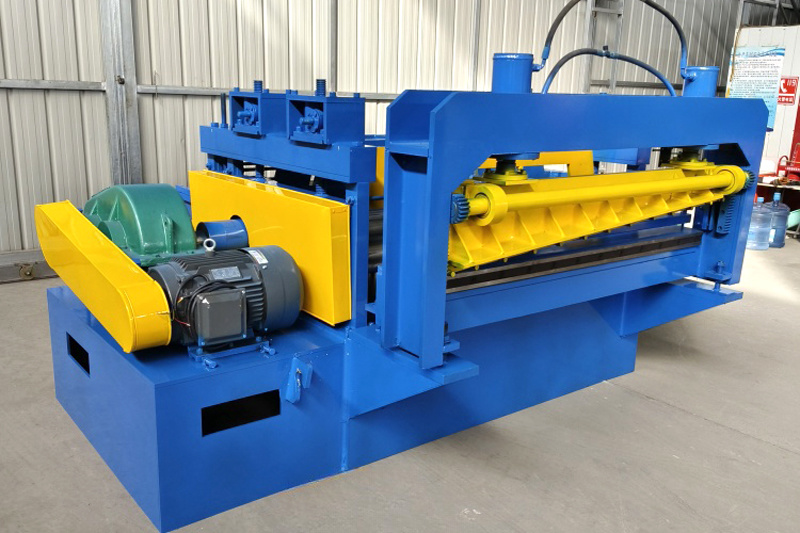
CNC Slitting Machines: Enhancing Accuracy in Cutting Processes
Table of Contents
- 1. Introduction to CNC Slitting Machines
- 2. What is a CNC Slitting Machine?
- 3. Working Principle of CNC Slitting Machines
- 4. Key Advantages of CNC Slitting Technology
- 5. Applications of CNC Slitting Machines in Various Industries
- 6. Choosing the Right CNC Slitting Machine for Your Needs
- 7. Maintenance Tips for Optimal Performance
- 8. Future Trends in CNC Slitting Technologies
- 9. FAQs about CNC Slitting Machines
- 10. Conclusion
1. Introduction to CNC Slitting Machines
In the competitive landscape of manufacturing, precision and efficiency are paramount. **CNC slitting machines** have emerged as essential tools, enhancing the accuracy of cutting processes across various industries. By leveraging advanced technology, these machines provide unmatched reliability, delivering high-quality results while minimizing waste.
2. What is a CNC Slitting Machine?
CNC slitting machines are specialized cutting tools designed to slice material into strips or sheets with remarkable precision. Utilizing **Computer Numerical Control (CNC)** technology, these machines automate the cutting process, allowing for intricate designs and exact dimensions. Commonly used in metalworking, textiles, and plastics, CNC slitting machines are integral to modern manufacturing operations.
2.1 Components of CNC Slitting Machines
Understanding the components of a CNC slitting machine helps appreciate its functionality. Key parts include:
- **Cutting Head**: The component that houses the blades and executes the cutting.
- **Feed Mechanism**: Controls the material's movement through the machine.
- **Control Panel**: The interface where operators input settings and monitor performance.
- **Safety Features**: Includes guards and automatic shut-off systems to ensure safe operation.
3. Working Principle of CNC Slitting Machines
CNC slitting machines operate by using sharp blades to cut materials as they are fed through the machine. The process involves several stages:
1. **Material Loading**: The material (metal, plastic, or fabric) is loaded onto the feed mechanism.
2. **CNC Programming**: Operators set parameters through the control panel, defining dimensions and cutting patterns.
3. **Cutting Process**: The machine engages the cutting blades, which slice the material with precision while maintaining consistent speed and pressure.
4. **Material Collection**: Slit strips are collected for further processing or packaging.
By automating these processes, CNC slitting machines significantly reduce human error, ensuring high-quality outputs.
4. Key Advantages of CNC Slitting Technology
CNC slitting machines offer numerous benefits, making them a preferred choice in manufacturing. These advantages include:
4.1 Enhanced Precision
The automation and computer control of CNC slitting machines allow for incredibly accurate cuts. This precision is crucial in industries where tolerances are critical, such as aerospace and automotive manufacturing.
4.2 Increased Efficiency
Automation leads to faster production rates. CNC slitting machines can operate continuously with minimal downtime, significantly increasing output without compromising quality.
4.3 Versatility
CNC slitting machines can handle various materials, including metal, plastics, and textiles. This versatility makes them suitable for multiple applications across diverse industries.
4.4 Reduced Waste
By producing accurate cuts, these machines minimize material waste. Companies can optimize their resources, leading to cost savings and environmental benefits.
4.5 User-Friendly Operation
The intuitive control panels and programming software of CNC slitting machines simplify operation, making it easier for operators to manage complex cuts and designs.
5. Applications of CNC Slitting Machines in Various Industries
CNC slitting machines find applications in numerous sectors, underscoring their importance in modern manufacturing. Some of the key industries include:
5.1 Metal Fabrication
In metalworking, CNC slitting machines are used to cut sheets and coils into strips, which are used in various products, from automotive parts to construction materials.
5.2 Textile Manufacturing
CNC slitting technology is employed to produce fabric strips for clothing, upholstery, and industrial applications. The ability to cut intricate patterns is a significant advantage.
5.3 Plastics and Composites
CNC slitting machines are utilized to manufacture plastic components and composite materials, providing precision required for high-performance applications in aerospace and automotive industries.
5.3.1 Example Applications in Plastics
- Packaging materials
- Automotive interior components
- Industrial parts for machinery
5.4 Printing Industry
In the printing sector, CNC slitting machines cut printed sheets into usable formats, ensuring quality and precision in the final product.
6. Choosing the Right CNC Slitting Machine for Your Needs
Selecting the appropriate CNC slitting machine is essential for optimizing production. Consider the following factors:
6.1 Material Type
The type of material you plan to slit will determine the blade specifications and machine capabilities. Ensure that the machine can handle the thickness and hardness of the material.
6.2 Desired Precision
Evaluate the precision requirements of your projects. Advanced CNC machines offer higher accuracy, which may be necessary for specific applications.
6.3 Production Volume
Consider your production needs. Some machines are designed for high-volume manufacturing, while others are suited for smaller, specialized runs.
6.4 Budget Constraints
CNC slitting machines come in various price ranges. Assess your budget while considering the long-term benefits of investing in a high-quality machine that meets your needs.
7. Maintenance Tips for Optimal Performance
Maintaining your CNC slitting machine is crucial for ensuring longevity and performance. Follow these tips:
7.1 Regular Cleaning
Keep the machine clean to prevent dust and debris buildup, which can affect performance.
7.2 Routine Inspections
Conduct regular inspections of blades, feed mechanisms, and electrical components to identify and resolve issues before they escalate.
7.3 Lubrication
Ensure that moving parts are adequately lubricated to minimize friction and wear, promoting smoother operation.
7.4 Software Updates
Keep the CNC software updated to benefit from the latest features and enhancements that improve performance.
8. Future Trends in CNC Slitting Technologies
The future of CNC slitting machines lies in innovation and advancements in technology. Key trends include:
8.1 Integration of AI and Machine Learning
The incorporation of artificial intelligence and machine learning algorithms will enhance automation, allowing machines to learn from past cuts and optimize performance.
8.2 Improved Energy Efficiency
Manufacturers are focusing on creating machines that consume less energy, reducing operational costs and environmental impact.
8.3 Advanced Materials
Future CNC slitting machines will be designed to handle a broader range of materials, including advanced composites and high-strength metals.
9. FAQs about CNC Slitting Machines
9.1 What materials can CNC slitting machines cut?
CNC slitting machines can cut various materials, including metals, plastics, textiles, and composites, depending on the machine specifications.
9.2 How does CNC programming affect the cutting process?
CNC programming allows operators to set precise dimensions and cutting patterns, directly influencing the accuracy and quality of the cuts.
9.3 What are the maintenance requirements for CNC slitting machines?
Regular cleaning, routine inspections, lubrication, and software updates are essential for maintaining optimal performance and extending the machine's lifespan.
9.4 Can CNC slitting machines handle large production volumes?
Yes, many CNC slitting machines are designed for high-volume production, allowing for continuous operation without sacrificing quality.
9.5 What trends should we watch for in CNC slitting technology?
Key trends include the integration of AI, improved energy efficiency, and the development of machines capable of handling advanced materials.
10. Conclusion
CNC slitting machines play a pivotal role in the manufacturing industry, delivering unmatched precision and efficiency in cutting processes. As technology continues to advance, these machines will further enhance manufacturing capabilities, making them essential tools for companies striving for excellence. Whether in metal fabrication, textiles, or plastics, the benefits of CNC slitting technology are undeniable. Investing in a high-quality CNC slitting machine can transform your production processes, reduce waste, and increase profitability, paving the way for a successful future in manufacturing.
TAG:

Contact Us
E-mail :
chiyuan@chiyuanmachine.com
Phone/Wechat:
+86-13483837770
Address:
Botou Economic Development Zone, Cangzhou City, Hebei Province, China



Request Quote