Address:Botou, Cangzhou City, Hebei Province, China

Achieving Perfection: The Art of Steel Plate Embossing
May 07,2025
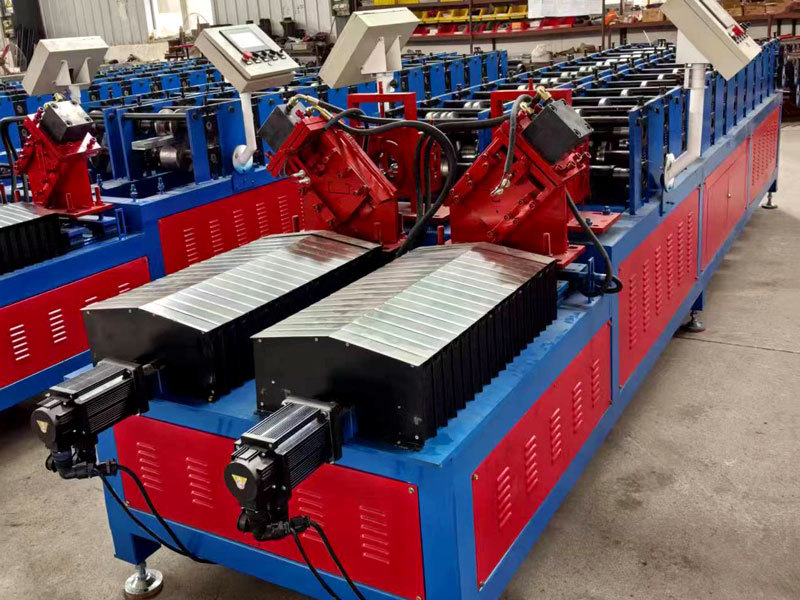
Achieving Perfection: The Art of Steel Plate Embossing
Table of Contents
- 1. Introduction to Steel Plate Embossing
- 2. What is Steel Plate Embossing?
- 3. The History of Steel Plate Embossing
- 4. Applications of Steel Plate Embossing
- 5. Techniques and Processes in Steel Plate Embossing
- 6. Essential Tools for Steel Plate Embossing
- 7. Advantages of Steel Plate Embossing
- 8. Challenges in Steel Plate Embossing
- 9. The Future of Steel Plate Embossing
- 10. Conclusion
- 11. Frequently Asked Questions
1. Introduction to Steel Plate Embossing
In the world of manufacturing and engineering, achieving perfection in processes is paramount. Steel plate embossing, a technique that combines artistry with precision engineering, plays a crucial role in various sectors, from automotive to architecture. This article aims to demystify the art of steel plate embossing, shedding light on its significance, processes, and the skills involved in mastering it.
2. What is Steel Plate Embossing?
Steel plate embossing is the process of creating raised or recessed designs on the surface of steel plates. This technique is often utilized to enhance the aesthetic appeal of products, provide functional benefits such as improved grip or reduced weight, and meet specific industry requirements. The embossing process can produce intricate patterns, textures, and shapes, making it a versatile option for manufacturers seeking to elevate their products.
Understanding the Mechanics of Embossing
The mechanical process of embossing involves applying pressure and heat to a steel plate, which is then shaped according to the desired design. Two primary methods prevail in the embossing process: direct and indirect embossing. Each method has its unique applications and is chosen based on the specific requirements of the project.
3. The History of Steel Plate Embossing
The origins of steel plate embossing can be traced back to ancient civilizations, where artisans used rudimentary techniques to create decorative patterns on metal surfaces. Over the centuries, advancements in technology have transformed embossing from a purely artistic endeavor to a precise engineering process. Today, steel plate embossing is integral to modern manufacturing, encompassing both aesthetic and functional aspects.
4. Applications of Steel Plate Embossing
Steel plate embossing finds applications across a myriad of industries, each leveraging its unique benefits. Some notable applications include:
4.1 Automotive Industry
In the automotive sector, embossed steel plates are commonly used for body panels, offering both structural integrity and aesthetic value. The embossed designs can improve aerodynamics and reduce weight, contributing to fuel efficiency.
4.2 Construction Industry
Architects and builders utilize embossed steel plates for facades and interior design elements. The textured surfaces not only enhance visual interest but also improve slip resistance in flooring applications.
4.3 Electronics
In electronics, embossed metal plates are used for housings and components, providing durability while allowing for effective heat dissipation. The designs can also contribute to the overall branding of products.
5. Techniques and Processes in Steel Plate Embossing
The art of steel plate embossing encompasses various techniques, each suited to different materials and desired outcomes.
5.1 Hot Embossing
Hot embossing involves heating the steel plate to a malleable state before applying pressure through specialized dies. This method is ideal for creating intricate designs with deep impressions.
5.2 Cold Embossing
In contrast, cold embossing requires no heat. Instead, the steel is shaped at room temperature, making it suitable for thinner materials and simpler designs.
5.3 Die Design
The design of the die plays a critical role in the embossing process. A well-crafted die ensures precision and can significantly impact the final quality of the embossed pattern.
6. Essential Tools for Steel Plate Embossing
To achieve perfection in steel plate embossing, several essential tools are required:
6.1 Embossing Press
An embossing press applies the necessary pressure and can accommodate various die sizes, making it a vital piece of equipment.
6.2 Dies
Custom-made dies are crucial for achieving specific designs. They can be crafted from various materials, including hardened steel, to withstand repeated use.
6.3 Heat Sources
For hot embossing processes, reliable heat sources are essential to ensure the steel reaches the appropriate temperature for effective shaping.
7. Advantages of Steel Plate Embossing
Steel plate embossing offers several advantages that make it an attractive option for manufacturers:
7.1 Aesthetic Appeal
Embossed designs can significantly enhance the visual appeal of products, allowing brands to differentiate themselves in competitive markets.
7.2 Functionality
Beyond aesthetics, embossing can improve functionality by providing better grip, reducing weight, and enhancing structural integrity.
7.3 Cost-Effectiveness
By optimizing material use, embossed steel products can reduce costs without compromising quality, making it an economically viable choice for manufacturers.
8. Challenges in Steel Plate Embossing
While steel plate embossing offers numerous benefits, it also presents challenges that manufacturers must navigate:
8.1 Material Limitations
Not all steel types are suitable for embossing. Understanding the properties of different metals is essential to ensure successful outcomes.
8.2 Precision Requirements
Achieving precise embossed designs requires expertise and attention to detail. Any misalignment can lead to defects that compromise the final product.
8.3 Tool Maintenance
Regular maintenance of tools and dies is crucial to ensure consistent quality and longevity, which can require additional time and resources.
9. The Future of Steel Plate Embossing
The future of steel plate embossing looks promising, with advancements in technology paving the way for more innovative applications. Automation and CNC technology are likely to enhance precision and efficiency, while new materials may open up further design possibilities. As sustainability becomes a focal point in manufacturing, eco-friendly practices in the embossing process will also gain prominence, aligning with global efforts to reduce environmental impact.
10. Conclusion
Steel plate embossing represents a fine blend of artistry and engineering prowess, essential for various industries seeking to enhance the functionality and aesthetics of their products. By understanding the processes, techniques, and challenges involved, manufacturers can achieve perfection in their embossed designs. As we look ahead, embracing technological advancements and sustainable practices will play a pivotal role in the evolution of steel plate embossing, ensuring it remains a vital component in the manufacturing landscape.
11. Frequently Asked Questions
1. What materials can be embossed?
Steel is the most common material used in embossing, but other metals such as aluminum and brass can also be embossed, depending on the application.
2. How is the depth of the embossing determined?
The depth of the embossing is typically determined by the design specifications and the capabilities of the embossing equipment.
3. Can embossing be done on pre-painted steel?
Yes, however, it requires careful handling to avoid damaging the paint during the embossing process.
4. What industries benefit the most from steel plate embossing?
Industries such as automotive, construction, electronics, and consumer goods heavily rely on steel plate embossing for both aesthetic and functional applications.
5. How do you maintain embossing tools and dies?
Regular cleaning, inspection for wear, and timely replacement are essential for maintaining the performance and longevity of embossing tools and dies.
TAG:

Contact Us
E-mail :
chiyuan@chiyuanmachine.com
Phone/Wechat:
+86-13483837770
Address:
Botou Economic Development Zone, Cangzhou City, Hebei Province, China



Request Quote