Address:Botou, Cangzhou City, Hebei Province, China

Steel Plate Embossing: Redefining Precision in Manufacturing
May 05,2025
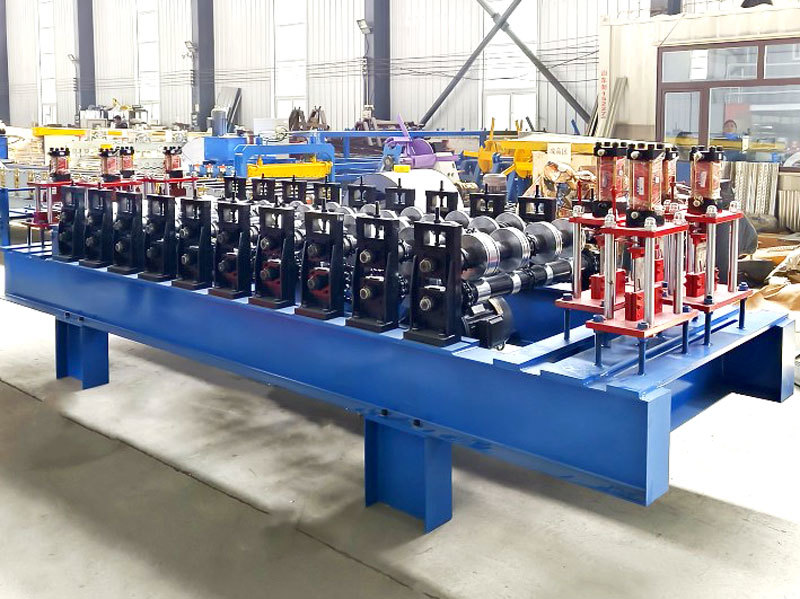
Steel Plate Embossing: Redefining Precision in Manufacturing
Table of Contents
- What is Steel Plate Embossing?
- A Brief History of Steel Plate Embossing
- The Process of Steel Plate Embossing
- Key Applications of Steel Plate Embossing
- Benefits of Steel Plate Embossing in Manufacturing
- Technological Advancements in Steel Plate Embossing
- The Future of Steel Plate Embossing
- FAQs About Steel Plate Embossing
What is Steel Plate Embossing?
Steel plate embossing is a manufacturing process that involves creating raised or recessed designs on the surface of steel plates. This technique enhances both the aesthetic appeal and functional attributes of the plates. By using heat and pressure, manufacturers can produce intricate patterns that serve a variety of purposes, from improving grip and traction to providing aesthetic value in architectural designs.
A Brief History of Steel Plate Embossing
The origins of steel plate embossing can be traced back to ancient metallurgy, where artisans used rudimentary methods to create embossed patterns for decorative purposes. However, it wasn't until the Industrial Revolution that the process began to take on a more standardized form. With the advent of modern machinery, embossing techniques evolved, allowing for greater precision and efficiency. Today, steel plate embossing is a crucial aspect of many industries, particularly in engineering and construction.
The Process of Steel Plate Embossing
The process of steel plate embossing comprises several key steps:
1. Design Creation
Before the embossing process begins, a detailed design is created using CAD software. This design serves as the blueprint for the pattern that will be embossed on the steel plate.
2. Material Selection
The choice of steel plate is critical to the success of the embossing process. Factors such as thickness, alloy composition, and surface finish play a significant role in determining the final outcome.
3. Heating the Plate
The steel plate is typically heated to a specific temperature to make it more malleable. This step ensures that the material can easily conform to the desired design during embossing.
4. Embossing
Using a hydraulic press or an embossing machine, the heated steel plate is subjected to high pressure with the embossing die. This step creates the desired pattern on the plate.
5. Finishing Touches
Once the embossing is complete, the steel plate undergoes finishing processes, which may include cleaning, painting, or coating to enhance durability and appearance.
Key Applications of Steel Plate Embossing
Steel plate embossing finds applications across various sectors:
1. Architectural Design
In architecture, embossed steel plates are used to create visually stunning facades and decorative elements. They can enhance the aesthetic appeal of buildings while providing structural integrity.
2. Automotive Industry
In the automotive industry, embossed steel plates are used for components such as dashboards, door panels, and chassis parts. The embossed designs can improve grip and reduce glare.
3. Industrial Equipment
Many industrial machines utilize embossed steel plates for functionality and safety. Textured surfaces can reduce slippage and improve handling in machinery.
4. Consumer Products
Consumer goods, including appliances and furniture, often feature embossed steel plates. These products benefit from the aesthetic qualities that embossing adds.
Benefits of Steel Plate Embossing in Manufacturing
The advantages of steel plate embossing are numerous:
1. Enhanced Aesthetics
Embossed patterns can significantly improve the visual appeal of steel plates, making them more attractive for end-users.
2. Improved Functionality
Embossing can enhance the tactile qualities of surfaces, providing better grip and reducing the likelihood of slippage in industrial applications.
3. Durability
The embossing process can increase the overall strength and durability of steel plates, making them more resistant to wear and tear.
4. Versatility
Steel plate embossing is adaptable to various industries, allowing for customized solutions tailored to specific applications.
5. Cost-Effectiveness
Investing in steel plate embossing can lead to long-term savings by reducing production costs while enhancing product quality.
Technological Advancements in Steel Plate Embossing
Recent technological advancements have transformed the steel plate embossing process. Innovations such as:
1. CNC Machining
Computer Numerical Control (CNC) technology allows for greater precision in crafting embossing dies, resulting in intricate patterns that were previously difficult to achieve.
2. Laser Embossing
Laser technology is becoming increasingly popular for embossing due to its precision and ability to create complex designs quickly.
3. Automation
Automated systems streamline the embossing process, reducing production time and human error while increasing efficiency.
The Future of Steel Plate Embossing
As industries continue to evolve, the future of steel plate embossing appears promising. Innovations in materials science and manufacturing processes will likely lead to even more efficient and precise embossing techniques. Additionally, the growing demand for customized products will drive further advancements in design capabilities.
FAQs About Steel Plate Embossing
1. What industries commonly use steel plate embossing?
Steel plate embossing is prevalent in various industries, including construction, automotive, and consumer goods.
2. How does embossing improve the durability of steel plates?
The embossing process can increase the thickness of the material in specific areas, enhancing its strength and resistance to damage.
3. Is steel plate embossing cost-effective?
Yes, the initial investment in embossing technology can lead to lower production costs and enhanced product quality over time.
4. Can I customize designs for steel plate embossing?
Absolutely! Advanced design software allows for the creation of unique patterns tailored to specific requirements.
5. How does the heating process affect the embossing outcome?
Heating the steel plate makes it more malleable, allowing it to easily conform to the design during the embossing process.
Conclusion
Steel plate embossing stands as a testament to innovation in manufacturing, blending artistry with engineering precision. As we continue to explore and refine this technique, its applications will undoubtedly expand across various industries. By understanding its benefits and embracing technological advancements, businesses can enhance their products' quality, aesthetics, and functionality, ultimately redefining the future of manufacturing.
TAG:

Contact Us
E-mail :
chiyuan@chiyuanmachine.com
Phone/Wechat:
+86-13483837770
Address:
Botou Economic Development Zone, Cangzhou City, Hebei Province, China



Request Quote