Address:Botou, Cangzhou City, Hebei Province, China

Efficiency Redefined: How Hydraulic Bending Machines are Transforming Industries
May 03,2025
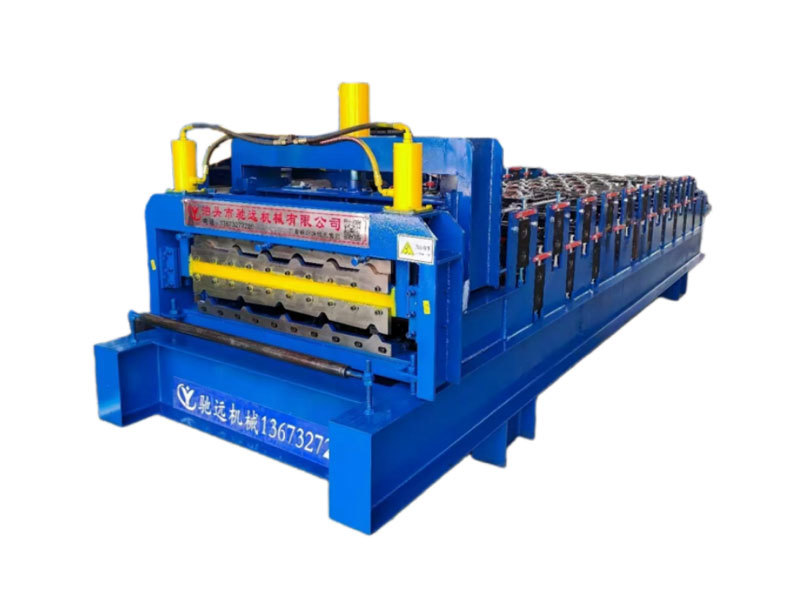
Efficiency Redefined: How Hydraulic Bending Machines are Transforming Industries
Table of Contents
1. Introduction to Hydraulic Bending Machines
2. The Evolution of Hydraulic Technology
3. Key Components of Hydraulic Bending Machines
3.1 Hydraulic System Mechanics
3.2 Control Systems for Precision
3.3 Bending Tools and Accessories
4. Advantages of Using Hydraulic Bending Machines
4.1 Enhanced Efficiency and Speed
4.2 Improved Precision and Accuracy
4.3 Versatility Across Industries
5. Applications of Hydraulic Bending Machines
5.1 Aerospace and Automotive Industries
5.2 Construction and Civil Engineering
5.3 Manufacturing and Metal Fabrication
6. Challenges in Hydraulic Bending Machine Operations
6.1 Maintenance and Upkeep
6.2 Operator Training and Skill Development
7. The Future of Hydraulic Bending Machines
8. Conclusion
9. Frequently Asked Questions
1. Introduction to Hydraulic Bending Machines
Hydraulic bending machines have emerged as indispensable tools in the manufacturing sector, delivering unmatched efficiency and precision in the bending of various materials. They are engineered to perform complex bending operations effectively, thereby enhancing productivity across a multitude of industries. This article delves into how these innovative machines are redefining operational standards, driving significant advancements in the way organizations approach their production processes.
2. The Evolution of Hydraulic Technology
The journey of hydraulic technology began centuries ago, but its integration into manufacturing processes has seen exponential growth in recent decades. Initially, hydraulic systems were used primarily in large-scale machinery, but advancements in technology have enabled the miniaturization and refinement of these systems, making them accessible for various applications, including bending machines.
Today, hydraulic bending machines utilize sophisticated hydraulic circuits and components to achieve superior bending performance. By harnessing the power of hydraulics, these machines have not only increased the efficiency of bending operations but have also set new standards for accuracy and repeatability.
3. Key Components of Hydraulic Bending Machines
Understanding the key components of hydraulic bending machines is essential for appreciating their functionality.
3.1 Hydraulic System Mechanics
At the core of hydraulic bending machines lies the hydraulic system, which consists of various components such as pumps, actuators, valves, and hydraulic fluids. These elements work in unison to generate the required force to bend materials, allowing for smooth and controlled operations.
3.2 Control Systems for Precision
Modern hydraulic bending machines are equipped with advanced control systems that enable operators to program specific parameters for bending tasks. These systems ensure that the bending process is executed with high precision, accommodating different material types and thicknesses seamlessly.
3.3 Bending Tools and Accessories
Bending tools and accessories are critical to achieving the desired bend shapes and angles. The choice of tooling can affect the quality of the finished product, making it essential for manufacturers to select the right tools tailored for specific applications.
4. Advantages of Using Hydraulic Bending Machines
The benefits of incorporating hydraulic bending machines into manufacturing processes are extensive.
4.1 Enhanced Efficiency and Speed
Hydraulic bending machines significantly reduce bending cycle times, leading to increased throughput. Their ability to handle multiple bends in quick succession streamlines operations, allowing companies to meet demanding production schedules with ease.
4.2 Improved Precision and Accuracy
With their advanced control systems and hydraulic power, these machines achieve remarkable accuracy in bending operations. This precision minimizes waste and errors, ensuring that every product meets stringent quality standards.
4.3 Versatility Across Industries
Hydraulic bending machines are adaptable, making them suitable for various sectors, including aerospace, automotive, construction, and metal fabrication. Their versatility allows manufacturers to bend different materials, such as steel, aluminum, and plastic, with varying thicknesses.
5. Applications of Hydraulic Bending Machines
The applications of hydraulic bending machines span numerous industries, each benefiting from the efficiency and precision these machines provide.
5.1 Aerospace and Automotive Industries
In the aerospace and automotive sectors, hydraulic bending machines play a vital role in the production of components that require high precision and strength. These machines facilitate the creation of intricate shapes and designs that are essential for the performance and safety of vehicles and aircraft.
5.2 Construction and Civil Engineering
Hydraulic bending machines are crucial in the construction industry for fabricating structural components, such as beams and columns. Their ability to bend materials to exact specifications enhances the integrity and performance of construction projects.
5.3 Manufacturing and Metal Fabrication
In the realm of manufacturing and metal fabrication, hydraulic bending machines are used to produce a wide range of products, from piping systems to custom metal parts. The adaptability of these machines allows for innovation in product design and manufacturing processes.
6. Challenges in Hydraulic Bending Machine Operations
While hydraulic bending machines offer numerous advantages, they are not without challenges.
6.1 Maintenance and Upkeep
Regular maintenance is crucial to ensure the longevity and reliability of hydraulic bending machines. Failure to perform routine inspections and maintenance can lead to downtime and costly repairs, emphasizing the need for proactive care.
6.2 Operator Training and Skill Development
To maximize the benefits of hydraulic bending machines, operators must undergo thorough training. Skilled operators can effectively leverage the machine's capabilities, ensuring that bending operations are performed safely and accurately.
7. The Future of Hydraulic Bending Machines
The future of hydraulic bending machines looks promising, with ongoing advancements in technology and automation. Integrating artificial intelligence and machine learning into these systems will likely enhance their efficiency further, enabling predictive maintenance and real-time monitoring. As industries continue to evolve, hydraulic bending machines will play a pivotal role in shaping the future of manufacturing.
8. Conclusion
Hydraulic bending machines are at the forefront of transforming industrial processes, offering unparalleled efficiency, precision, and versatility. As industries strive for greater productivity and reduced operational costs, the adoption of these machines is set to grow. By understanding their components, advantages, and applications, businesses can position themselves to leverage the full potential of hydraulic bending technology.
9. Frequently Asked Questions
What industries primarily use hydraulic bending machines?
Hydraulic bending machines are utilized across various industries, including aerospace, automotive, construction, and metal fabrication.
How do hydraulic bending machines improve efficiency?
These machines enhance efficiency by reducing bending cycle times and allowing for quick, precise operations, which streamlines manufacturing processes.
What are the key components of a hydraulic bending machine?
Key components include the hydraulic system (pumps, valves, actuators), control systems, and bending tools.
What challenges are associated with hydraulic bending machines?
Challenges include maintenance requirements and the need for skilled operators to ensure safe and effective machine operation.
How is the future of hydraulic bending machines expected to evolve?
The future may see advancements in automation, AI integration, and improved predictive maintenance systems, enhancing operational efficiency.
TAG:

Contact Us
E-mail :
chiyuan@chiyuanmachine.com
Phone/Wechat:
+86-13483837770
Address:
Botou Economic Development Zone, Cangzhou City, Hebei Province, China



Request Quote