Address:Botou, Cangzhou City, Hebei Province, China

The Evolution of Semi-Automatic Leveling Machines in Modern Industry
Apr 11,2025
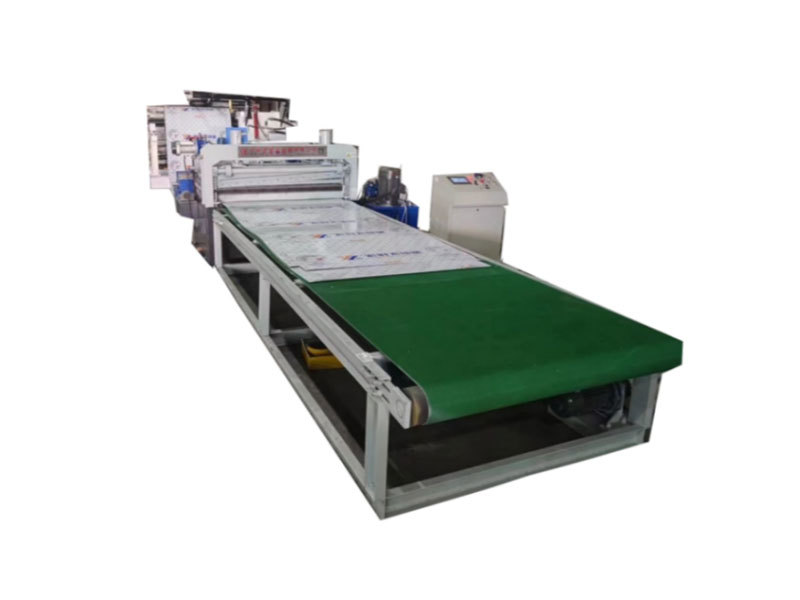
The Evolution of Semi-Automatic Leveling Machines in Modern Industry
Table of Contents
- 1. Introduction to Semi-Automatic Leveling Machines
- 2. Historical Development of Leveling Machines
- 3. Technological Advancements in Semi-Automatic Leveling Machines
- 4. Key Benefits of Using Semi-Automatic Leveling Machines
- 5. Applications of Semi-Automatic Leveling Machines in Various Industries
- 6. The Future of Semi-Automatic Leveling Machines
- 7. Challenges and Considerations in Implementing Semi-Automatic Leveling Machines
- 8. Conclusion
- 9. Frequently Asked Questions (FAQs)
1. Introduction to Semi-Automatic Leveling Machines
In the modern manufacturing landscape, **semi-automatic leveling machines** play a crucial role in enhancing operational efficiency and product quality. These machines are designed to automate the leveling process, ensuring that materials are aligned and positioned accurately for further processing. The shift from fully manual to semi-automatic systems has revolutionized industries, providing a blend of precision and ease of use.
2. Historical Development of Leveling Machines
The evolution of leveling machines can be traced back to the early days of manufacturing when labor-intensive processes were the norm. Initially, leveling was done manually, relying on skilled workers to achieve the desired results. As industries grew and the demand for precision increased, the need for more efficient machines became evident.
In the mid-20th century, the introduction of hydraulic and pneumatic systems marked a significant milestone in the development of leveling machinery. These systems allowed for increased power and control, paving the way for semi-automatic solutions. By the 1980s, digital technology began to emerge, further enhancing the capabilities of leveling machines.
3. Technological Advancements in Semi-Automatic Leveling Machines
The **technological advancements** in semi-automatic leveling machines have been pivotal in shaping their functionality and efficiency. Key innovations include:
3.1 Advanced Control Systems
Modern semi-automatic leveling machines are equipped with sophisticated control systems that allow for precise adjustments in real-time. Users can program settings based on specific material requirements, ensuring optimal performance.
3.2 Integration of Sensors and Automation
The integration of sensors has improved accuracy in the leveling process. These sensors provide feedback to the machine, allowing it to adjust its operations dynamically. This automation minimizes human intervention and reduces the likelihood of errors.
3.3 Enhanced Materials and Design
The materials used in the construction of leveling machines have also evolved. Newer models often utilize lightweight yet durable materials, improving the overall efficiency and extending the machinery's lifespan.
4. Key Benefits of Using Semi-Automatic Leveling Machines
The adoption of semi-automatic leveling machines brings several advantages:
4.1 Increased Efficiency
By automating the leveling process, these machines significantly reduce the time required for material preparation, leading to increased productivity.
4.2 Enhanced Precision
With advanced control mechanisms and sensor integration, semi-automatic machines deliver greater accuracy in leveling, resulting in improved product quality.
4.3 Cost-Effectiveness
Though the initial investment may be higher, the long-term savings on labor and material wastage make semi-automatic leveling machines a cost-effective choice for manufacturers.
4.4 Versatility
These machines are adaptable to various materials and applications, making them suitable for diverse industries, from automotive to aerospace.
5. Applications of Semi-Automatic Leveling Machines in Various Industries
Semi-automatic leveling machines have found widespread applications across numerous sectors:
5.1 Automotive Industry
In the automotive sector, precision in the alignment of components is critical. Semi-automatic leveling machines are extensively used to ensure that parts fit together seamlessly during assembly.
5.2 Aerospace Manufacturing
The aerospace industry demands high precision and reliability. Leveling machines are essential in the fabrication of aircraft components, where even minor misalignments can have significant consequences.
5.3 Construction and Heavy Equipment
In construction, leveling machines are utilized for aligning heavy machinery and equipment, ensuring safety and operational efficiency on job sites.
5.4 Electronics Manufacturing
The electronics industry relies on semi-automatic leveling machines for aligning delicate components during the assembly of devices, where accuracy is paramount.
6. The Future of Semi-Automatic Leveling Machines
The future of semi-automatic leveling machines is promising, with trends leaning towards further automation and integration of artificial intelligence. Machine learning algorithms are expected to enhance the adaptability of these machines, allowing them to learn from previous operations and optimize performance. Additionally, sustainability will play a significant role, with manufacturers focusing on energy-efficient designs and materials that minimize environmental impact.
7. Challenges and Considerations in Implementing Semi-Automatic Leveling Machines
While the benefits are clear, there are challenges associated with implementing semi-automatic leveling machines:
7.1 Initial Cost Investment
The upfront costs of purchasing and integrating semi-automatic machines can be significant, posing a barrier for smaller manufacturers.
7.2 Training and Skill Development
Employees need to be trained to operate these advanced machines effectively. This requirement can lead to additional costs and time investments.
7.3 Maintenance and Downtime
Like all machinery, semi-automatic leveling machines require regular maintenance to ensure optimal performance. Downtime due to repairs can disrupt production schedules.
8. Conclusion
The evolution of semi-automatic leveling machines has significantly impacted the manufacturing industry, driving advancements in efficiency, precision, and versatility. By embracing these technologies, manufacturers can enhance their operations and maintain a competitive edge in an ever-evolving market. As we look to the future, continued innovation and a focus on sustainability will shape the capabilities and applications of these essential machines.
9. Frequently Asked Questions (FAQs)
FAQ 1: What are semi-automatic leveling machines?
Semi-automatic leveling machines are equipment designed to automate the leveling process of materials, ensuring precise alignment for further manufacturing operations.
FAQ 2: How do semi-automatic leveling machines improve efficiency?
These machines reduce manual labor and time required for leveling, allowing for faster production cycles and increased output.
FAQ 3: In which industries are semi-automatic leveling machines commonly used?
They are widely used in automotive, aerospace, construction, and electronics manufacturing sectors, among others.
FAQ 4: What are the key advantages of using semi-automatic leveling machines?
The main advantages include increased efficiency, enhanced precision, cost-effectiveness, and versatility across various applications.
FAQ 5: What challenges might a manufacturer face when implementing semi-automatic leveling machines?
Manufacturers may encounter challenges such as high initial costs, the need for employee training, and maintenance requirements.
TAG:

Contact Us
E-mail :
chiyuan@chiyuanmachine.com
Phone/Wechat:
+86-13483837770
Address:
Botou Economic Development Zone, Cangzhou City, Hebei Province, China



Request Quote