Address:Botou, Cangzhou City, Hebei Province, China

Empowering Manufacturers: The Steel Plate Embossing Revolution
Apr 03,2025
Empowering Manufacturers: The Steel Plate Embossing Revolution
Introduction to Steel Plate Embossing
Steel plate embossing has emerged as a game-changing technology in the manufacturing landscape. This technique, which involves creating raised patterns or designs on metal surfaces, is revolutionizing how manufacturers produce steel plates. The rise of this technology is not just about aesthetics; it also brings numerous functional benefits that enhance the overall quality and performance of steel products.
Understanding the Steel Plate Embossing Process
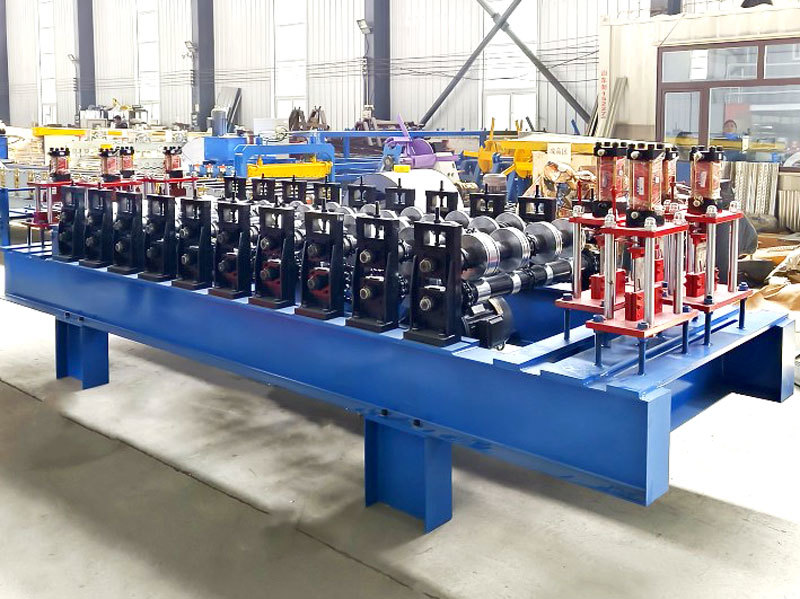
Embossing involves the use of specialized machinery that applies pressure to steel plates, creating a three-dimensional surface effect. The process can be categorized into several steps:
1. Material Preparation
Before the embossing process begins, manufacturers must select the appropriate type of steel. The quality of the raw material significantly impacts the final product. Factors such as tensile strength, thickness, and surface finish are carefully considered.
2. Design Creation
The design phase is crucial in steel plate embossing. Manufacturers often collaborate with designers to create patterns that meet specific functional requirements. This step not only includes the artistic aspect but also considers practical applications, such as enhancing grip or reducing wear.
3. Embossing Execution
Once the design is finalized, the steel plates are fed into embossing machines. These machines apply extreme pressure to create the desired patterns. This stage requires precision to ensure that the embossed design meets quality standards.
4. Finishing Touches
After the embossing process, the plates may undergo additional treatments, such as coating or polishing, to enhance durability and appearance. This final step is essential for ensuring the longevity of the products.
The Benefits of Steel Plate Embossing
Steel plate embossing offers a multitude of advantages that empower manufacturers. Here are some of the key benefits:
1. Enhanced Aesthetics
Embossing adds a visually appealing element to steel plates. This enhanced aesthetic can be a crucial factor in industries where design plays an essential role, such as architectural and automotive applications.
2. Increased Durability
Embossed patterns can strengthen steel plates, making them more resistant to wear and tear. This increased durability translates to longer-lasting products, reducing the frequency of replacements and thereby lowering manufacturing costs in the long run.
3. Improved Grip and Safety
Embossed surfaces can provide better grip, which is particularly important in applications where safety is paramount. For instance, embossed stairs, walkways, and machinery components enhance user safety by minimizing slip risks.
4. Customization Options
The flexibility of the embossing process allows manufacturers to create custom designs tailored to specific applications or client requirements. This level of customization can set a company apart from its competitors.
5. Cost-Effectiveness
Despite the initial investment in embossing technology, the long-term savings achieved through reduced material usage and enhanced product life can be significant.
Applications of Steel Plate Embossing Across Industries
The versatility of steel plate embossing means that it finds applications across various industries:
1. Construction and Architectural Designs
In construction, embossed steel plates are often used for cladding, roofing, and decorative elements. Their aesthetic appeal combined with durability makes them an ideal choice for modern architectural projects.
2. Automotive Industry
The automotive sector utilizes embossed steel plates in manufacturing vehicle components, where the combination of strength and lightweight design is critical. Embossing can enhance both the functional and aesthetic aspects of vehicles.
3. Manufacturing Equipment
In manufacturing machinery, embossed surfaces can improve handling and safety. Equipment that features embossed plates can reduce the risk of accidents while providing necessary friction for operation.
4. Consumer Products
Everyday products, from kitchen appliances to furniture, can benefit from the aesthetic enhancement and functional improvements provided by embossed steel plates.
5. Art and Design
Artists and designers often leverage embossed techniques to create unique sculptures and installations, pushing the boundaries of traditional metalworking.
Challenges in Steel Plate Embossing
While the benefits of steel plate embossing are numerous, manufacturers must also navigate certain challenges:
1. Initial Investment Costs
The technology and machinery required for embossing can be quite costly. Manufacturers must weigh these initial costs against long-term benefits.
2. Technical Expertise Required
Successful embossing requires skilled operators who understand both the technical and artistic aspects of the process. Ensuring adequate training and expertise is essential for maintaining quality.
3. Material Limitations
Not all types of steel are suitable for embossing. Manufacturers must choose the right materials to avoid issues during production and ensure the durability of the embossed products.
The Future of Steel Plate Embossing
As technology continues to evolve, the future of steel plate embossing appears promising. Innovations such as 3D printing and advanced automation are likely to enhance the embossing process, opening new avenues for manufacturers.
1. Advanced Automation
Automation can streamline the embossing process, reducing labor costs and increasing efficiency. Manufacturers are beginning to adopt automated solutions for higher precision and output.
2. Eco-Friendly Practices
With a growing emphasis on sustainability, there is a drive towards environmentally friendly manufacturing practices. The embossing process can be optimized to reduce waste and energy consumption, contributing to a greener manufacturing landscape.
3. Integration of Digital Technologies
Digital design tools and software can improve the design and execution of embossed patterns, allowing for more complex and intricate designs without sacrificing quality.
Conclusion
The steel plate embossing revolution is empowering manufacturers across various industries by enhancing the quality, aesthetics, and functionality of steel products. As the technology continues to advance, the future looks bright for embossed steel plates, driving innovation and efficiency in manufacturing processes. By embracing this revolution, manufacturers not only optimize their operations but also contribute to a more sustainable and visually appealing future in engineering and construction.
FAQs about Steel Plate Embossing
1. What is steel plate embossing?
Steel plate embossing is a manufacturing process that creates raised patterns on metal surfaces to enhance aesthetics and functionality.
2. How does the embossing process work?
The process involves applying pressure to steel plates using specialized machinery, which imprints the desired design onto the metal surface.
3. What industries benefit from steel plate embossing?
Industries such as construction, automotive, manufacturing, and consumer products utilize embossed steel plates for various applications.
4. Is embossed steel more durable than non-embossed steel?
Yes, embossed steel plates often exhibit increased durability due to their strengthened surfaces, making them more resistant to wear.
5. Can I customize embossed designs for specific projects?
Absolutely! The embossing process allows for a high degree of customization, enabling manufacturers to create designs tailored to specific client needs.
TAG:

Contact Us
E-mail :
chiyuan@chiyuanmachine.com
Phone/Wechat:
+86-13483837770
Address:
Botou Economic Development Zone, Cangzhou City, Hebei Province, China



Request Quote