Address:Botou, Cangzhou City, Hebei Province, China

Understanding the Materials Used in Color Steel Tile Production: A Comprehensive Guide
Mar 28,2025
Understanding the Materials Used in Color Steel Tile Production
Color steel tiles are an essential component in modern construction, offering aesthetic appeal and durability. This article delves into the various materials utilized in their production, showcasing how each element contributes to the overall quality and performance of these tiles. We aim to provide you with a detailed understanding of the materials involved in color steel tile production and their significance.
Table of Contents
- 1. What Are Color Steel Tiles?
- 2. Importance of Color Steel Tiles in Construction
- 3. Materials Used in Color Steel Tile Production
- 4. The Production Process of Color Steel Tiles
- 5. Quality Assurance in Color Steel Tile Production
- 6. Applications of Color Steel Tiles
- 7. Conclusion
- 8. FAQs
1. What Are Color Steel Tiles?
Color steel tiles are manufactured using a base of steel that is coated with a layer of color material. This combination results in a lightweight, durable, and aesthetically pleasing building material used predominantly in roofing and wall applications. Unlike traditional tiles, color steel tiles require less maintenance and are designed to withstand weather conditions.
2. Importance of Color Steel Tiles in Construction
Color steel tiles play a pivotal role in construction due to their versatility and cost-effectiveness. They provide excellent insulation, contributing to energy efficiency in buildings. Furthermore, their lightweight nature reduces the load on structural elements, making them an ideal choice for various building types, including residential, commercial, and industrial structures.
3. Materials Used in Color Steel Tile Production
Understanding the materials that compose color steel tiles is crucial for recognizing their performance and longevity. Here, we explore the primary materials employed in their production.
3.1 Steel Substrates
Steel is the backbone of color steel tiles, and its quality significantly impacts the overall performance of the tiles. Various types of steel substrates are used, including:
- **Galvanized Steel**: This type of steel is coated with a layer of zinc, offering excellent corrosion resistance. Galvanized steel is popular for its durability and is commonly used in construction applications.
- **Galvalume Steel**: A more advanced product, Galvalume steel is coated with a mixture of aluminum and zinc, providing superior corrosion protection and a longer lifespan than galvanized steel.
- **Pre-painted Steel**: Pre-painted steel substrates are coated with a primer and topcoat, giving them an attractive finish and added protection against environmental factors.
Choosing the right steel substrate is essential for ensuring the longevity of color steel tiles.
3.2 Coating Materials
The coating material is crucial in determining the appearance and durability of color steel tiles. Common coating materials include:
- **Polyester Coating**: This is a popular choice due to its affordability and good weather resistance. Polyester coatings provide a smooth finish and are available in various colors.
- **PVDF (Polyvinylidene Fluoride) Coating**: Known for exceptional durability and resistance to UV rays, PVDF coatings are often used in high-end residential and commercial applications.
- **Silicone Modified Polyester (SMP)**: This coating combines the benefits of silicone and polyester, offering enhanced protection against weathering and fading.
Selecting the correct coating material is vital for achieving the desired aesthetic while ensuring the long-term performance of color steel tiles.
3.3 Color Pigments
Color pigments are used to provide the vibrant hues associated with color steel tiles. These pigments must be resistant to fading and environmental factors. Common types of color pigments include:
- **Inorganic Pigments**: Known for their stability and resistance to UV radiation, inorganic pigments are often used for their durability.
- **Organic Pigments**: While they can offer brilliant colors, organic pigments may be less durable than inorganic options. They are often used in combination with other materials to enhance longevity.
The choice of color pigments plays a crucial role in both the aesthetic appeal and the lifetime of the finished product.
3.4 Additives
Additives enhance the performance characteristics of the materials used in color steel tile production. Some common additives include:
- **Anti-corrosive Agents**: These are added to improve the corrosion resistance of steel substrates, ensuring longevity in various environmental conditions.
- **UV Stabilizers**: To prevent degradation of color pigments, UV stabilizers are added to coatings, enhancing their longevity and maintaining their vibrant appearance.
- **Fire Retardants**: In certain applications, fire retardants may be integrated into the materials to enhance safety and comply with building regulations.
Utilizing appropriate additives can significantly improve the overall performance of color steel tiles.
4. The Production Process of Color Steel Tiles
The production of color steel tiles involves several steps, ensuring quality and durability.
1. **Steel Preparation**: The process begins with the selection and preparation of the steel substrate. This may involve cleaning, degreasing, and surface treatment to promote adhesion of the coatings.
2. **Coating Application**: The prepared steel substrate is then coated with the selected coating material using methods such as roller coating, spray coating, or immersion coating. This step is crucial for achieving a uniform application.
3. **Curing**: After coating, the steel tiles are cured in an oven to ensure proper bonding of the coating materials. This step enhances durability and provides a smooth finish.
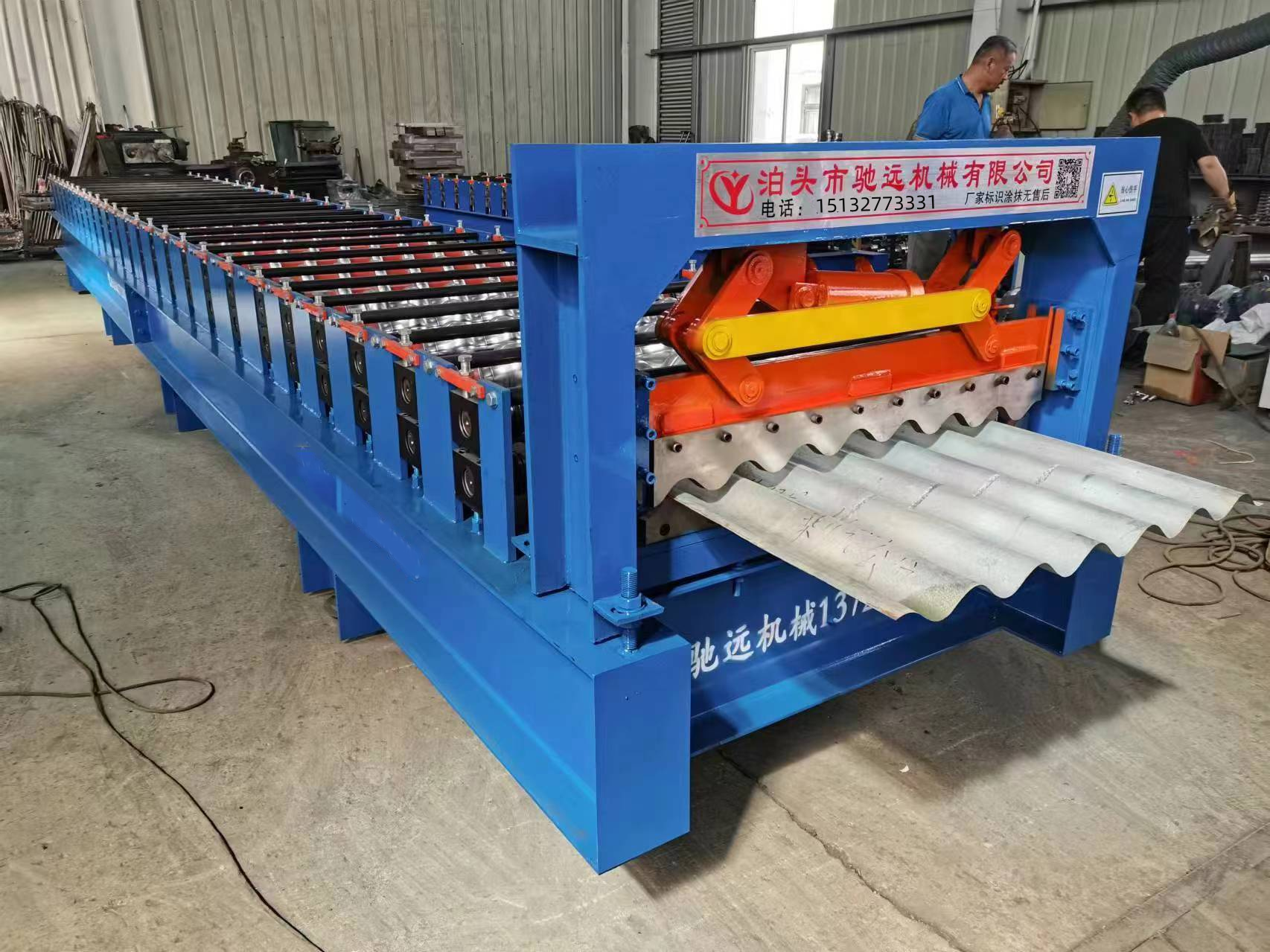
4. **Cutting and Shaping**: Once cured, the coated steel sheets are cut into tile shapes and sizes as per specifications. This step may involve additional processes such as profiling and embossing.
5. **Quality Control**: Finally, a series of tests and inspections are conducted to ensure the tiles meet quality standards. This may include checking for adhesion, color consistency, and overall performance.
The production process emphasizes the importance of precision and quality at each stage to produce high-quality color steel tiles.
5. Quality Assurance in Color Steel Tile Production
Quality assurance is critical in the production of color steel tiles to ensure that they meet industry standards and customer expectations. Key aspects of quality assurance include:
- **Material Inspection**: All incoming materials, including steel substrates and coatings, undergo rigorous testing for quality and compliance with specifications.
- **In-Process Monitoring**: Continuous monitoring during the production process allows for immediate detection of any defects or inconsistencies, enabling corrective actions as needed.
- **Final Testing**: The finished tiles are subjected to a series of tests, including adhesion tests, weather resistance tests, and colorfastness tests, to guarantee their performance.
Implementing a robust quality assurance program is essential for maintaining the reputation and reliability of color steel tile products.
6. Applications of Color Steel Tiles
Color steel tiles find applications across various sectors due to their versatility. Common applications include:
- **Residential Roofing**: Homeowners often choose color steel tiles for their lightweight nature, aesthetic appeal, and resistance to harsh weather conditions.
- **Commercial Buildings**: Many commercial properties use color steel tiles for roof and wall cladding, enhancing energy efficiency and visual appeal.
- **Industrial Facilities**: Color steel tiles are employed in industrial settings thanks to their durability and resistance to corrosive environments.
- **Agricultural Structures**: Farmers often utilize color steel tiles in barns and storage facilities due to their longevity and low maintenance requirements.
The adaptability of color steel tiles makes them a preferred choice in various construction applications.
7. Conclusion
Understanding the materials and processes involved in color steel tile production provides valuable insights into their performance and applications. From the type of steel substrates to the selection of coating materials and additives, every element plays a crucial role in determining the quality of the final product. Choosing the right materials ensures not only aesthetic appeal but also durability and longevity, making color steel tiles a smart investment for any construction project.
8. FAQs
1. What are the main benefits of using color steel tiles?
Color steel tiles offer numerous benefits, including durability, lightweight nature, energy efficiency, and low maintenance requirements. They are also available in various colors and styles, enhancing building aesthetics.
2. How long do color steel tiles last?
The lifespan of color steel tiles typically ranges from 30 to 50 years, depending on factors such as the quality of materials used, installation, and environmental conditions.
3. Are color steel tiles environmentally friendly?
Yes, color steel tiles are considered environmentally friendly as they are recyclable and can contribute to energy efficiency in buildings.
4. Can color steel tiles be used in coastal areas?
Absolutely! When using high-quality galvanized or Galvalume steel substrates, color steel tiles perform well in coastal areas, resisting corrosion due to salt exposure.
5. How do I maintain color steel tiles?
Maintaining color steel tiles involves regular cleaning to remove dirt and debris, routine inspections for damage, and addressing any rust or corrosion immediately to prolong their lifespan.
TAG:

Contact Us
E-mail :
chiyuan@chiyuanmachine.com
Phone/Wechat:
+86-13483837770
Address:
Botou Economic Development Zone, Cangzhou City, Hebei Province, China



Request Quote