Address:Botou, Cangzhou City, Hebei Province, China

Top Features to Look for in a Purlin Machine: The Definitive Buyer’s Guide
Mar 08,2025
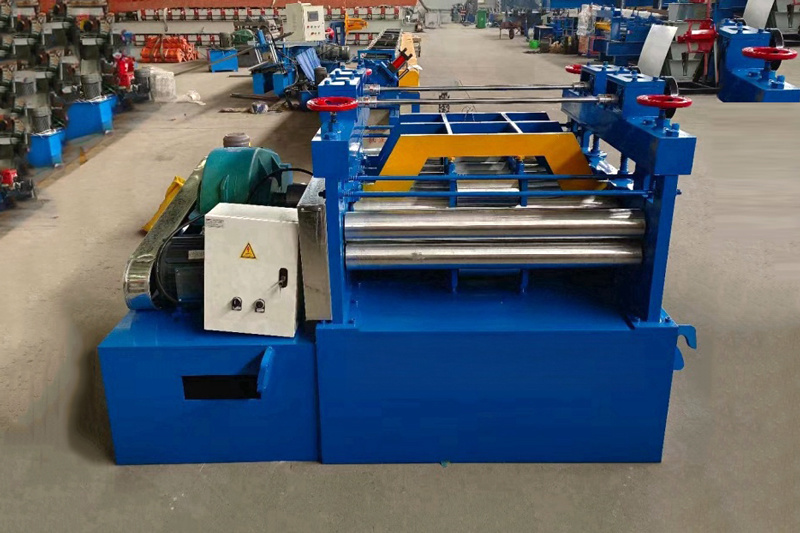
Top Features to Look for in a Purlin Machine
Purlin machines play a crucial role in the manufacturing industry, especially in steel construction projects. As businesses seek efficiency and precision, understanding the key features of a purlin machine is vital for making an informed purchase. In this guide, we will explore the essential features, benefits, and considerations to help you choose the right purlin machine for your needs.
Table of Contents
- Understanding Purlin Machines
- Key Features of Purlin Machines
- Adjustable Rollers and Dies
- Automation and Control Systems
- Material Compatibility
- Production Speed and Capacity
- Safety Features
- Benefits of Modern Purlin Machines
- How to Choose the Right Purlin Machine
- Maintenance and Support Considerations
- FAQs about Purlin Machines
- Conclusion
Understanding Purlin Machines
Purlin machines are specialized equipment used in the fabrication of steel purlins, which are horizontal structural members in buildings. They provide support for roofs and walls in both residential and commercial structures. Typically, purlin machines are employed to create C and Z-shaped purlins, which are vital for various construction applications.
Key Features of Purlin Machines
When evaluating purlin machines, several key features should be considered to ensure optimal performance and suitability for your specific manufacturing needs.
Adjustable Rollers and Dies
**Adjustable rollers and dies** are fundamental components of a purlin machine. The ability to adjust these elements allows for the production of different purlin profiles without requiring extensive reconfiguration. Look for machines that offer a wide range of adjustments, enabling flexibility in design and efficiency in production.
Automation and Control Systems
Advanced **automation and control systems** significantly enhance the efficiency of purlin operations. Machines equipped with computerized controls allow for precise adjustments, reducing the risk of human error. Features such as touchscreen interfaces, programmable settings, and integration with CAD systems can streamline your workflow and improve overall productivity.
Material Compatibility
**Material compatibility** is crucial for a purlin machine’s versatility. Ensure the machine can handle various types of steel, such as galvanized or stainless steel, and other materials like aluminum. This flexibility allows manufacturers to adapt to different project requirements and market demands, maintaining a competitive edge.
Production Speed and Capacity
The **production speed and capacity** of a purlin machine are vital metrics that determine how quickly you can meet customer demands. Look for machines that offer high output rates without sacrificing quality. Features such as continuous feed systems and high-speed cutting mechanisms can significantly boost your production capabilities.
Safety Features
Safety should never be compromised, especially in a manufacturing setting. Look for purlin machines that include robust **safety features** such as emergency stop buttons, safety guards, and automatic shut-off systems. These elements not only protect your workforce but also minimize downtime caused by accidents or equipment malfunctions.
Benefits of Modern Purlin Machines
Investing in a modern purlin machine comes with numerous benefits that can enhance your production process. These advantages include:
- Increased Efficiency: Enhanced technology and automation streamline operations, reducing manual labor and speeding up production times.
- Cost Savings: Higher efficiency leads to lower operational costs, while the ability to work with various materials can open new revenue streams.
- Improved Quality: Advanced control systems ensure consistent quality across all produced purlins, reducing waste and rework.
- Flexibility: The adaptability of modern machines allows manufacturers to pivot quickly in response to market changes or customer requests.
How to Choose the Right Purlin Machine
Choosing the right purlin machine involves careful consideration of your specific needs and operational context. Here are some steps to guide your decision:
- Assess Your Production Needs: Evaluate the types and volumes of purlins you intend to produce. This will influence the specifications required in a machine.
- Research Reputable Manufacturers: Investigate various manufacturers and their offerings. Look for reviews, customer testimonials, and case studies to gauge reliability.
- Request Demonstrations: Whenever possible, request live demonstrations of the machines you are considering. Observing the machine in action can provide valuable insights into its performance.
- Consider After-Sales Support: A robust customer support system is crucial for ongoing machine maintenance and troubleshooting. Ensure the manufacturer offers comprehensive support and training.
Maintenance and Support Considerations
Regular maintenance is essential for prolonging the lifespan of your purlin machine and ensuring optimal performance. Consider the following tips:
- Establish a Maintenance Schedule: Regularly scheduled maintenance can prevent minor issues from escalating into major problems.
- Train Your Staff: Ensure that your team is adequately trained to operate and maintain the equipment. Proper operation can reduce wear and tear.
- Utilize Support Services: Don’t hesitate to use manufacturer support services for complex repairs or troubleshooting.
FAQs about Purlin Machines
1. What is the average cost of a purlin machine?
The cost of a purlin machine can vary significantly based on features, specifications, and manufacturer, typically ranging from $20,000 to $100,000 or more.
2. How long does it take to set up a purlin machine?
Setup times can vary, but most machines can be operational within a few hours to a couple of days, depending on the complexity of the installation and integration with existing systems.
3. Can purlin machines handle custom designs?
Yes, many modern purlin machines can accommodate custom designs, especially those with adjustable rollers and advanced control systems.
4. What types of materials can be used with purlin machines?
Purlin machines are typically designed to work with steel, including galvanized and stainless steel, and some can also handle aluminum and other materials.
5. How do I ensure the safety of my purlin machine?
Regular maintenance, proper training, and using built-in safety features such as emergency stops and guards can help ensure the safe operation of your purlin machine.
Conclusion
Choosing the right purlin machine is a crucial decision that can significantly impact your manufacturing efficiency and product quality. By understanding the key features, benefits, and considerations outlined in this guide, you are better equipped to make an informed choice that aligns with your operational needs. Investing time in research and selecting a machine that offers advanced capabilities and robust support can lead to long-term success in your manufacturing endeavors.

Contact Us
E-mail :
chiyuan@chiyuanmachine.com
Phone/Wechat:
+86-13483837770
Address:
Botou Economic Development Zone, Cangzhou City, Hebei Province, China



Request Quote