Address:Botou, Cangzhou City, Hebei Province, China

Driving Progress: Integrating More U-Slots for Enhanced Manufacturing Operations
Feb 13,2025
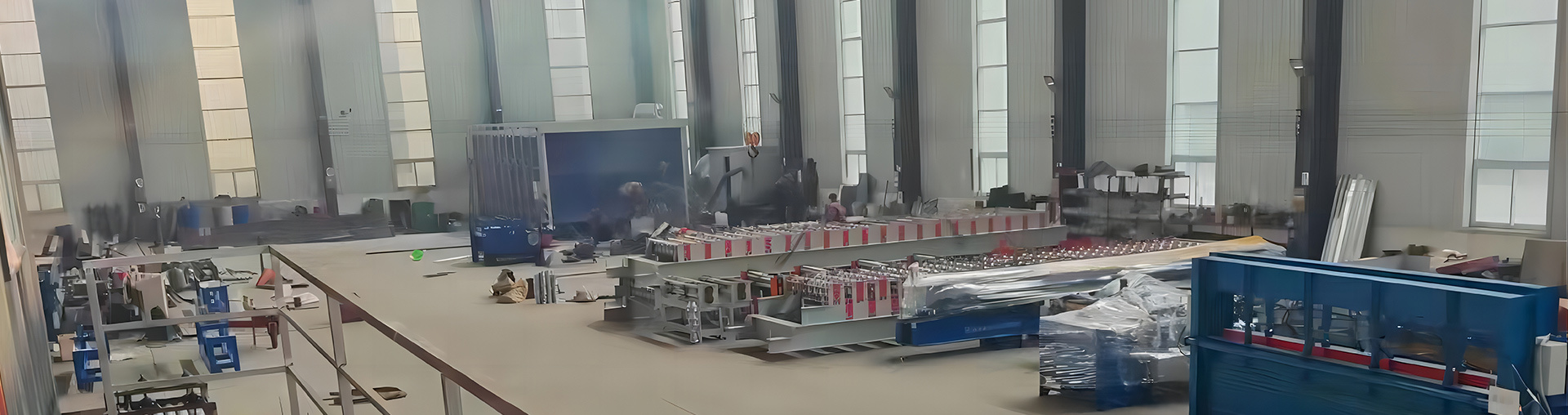
Driving Progress: Integrating More U-Slots for Enhanced Manufacturing Operations
Table of Contents
- What Are U-Slots in Manufacturing?
- The Benefits of Integrating U-Slots in Manufacturing
- How to Integrate U-Slots Effectively
- Case Studies: Successful Integration of U-Slots
- Future Trends in U-Slot Technology
- Challenges in U-Slot Integration
- Frequently Asked Questions (FAQs)
- Conclusion
What Are U-Slots in Manufacturing?
U-slots are specialized grooves or channels designed in manufacturing machinery, primarily utilized for the efficient attachment and positioning of various components. These slots resemble the letter "U," allowing for flexibility in component adjustment while ensuring stability during operations. The integration of U-slots enhances the modularity of manufacturing setups, facilitating quick changes and adjustments as production demands evolve.
The Benefits of Integrating U-Slots in Manufacturing
Integrating U-slots into manufacturing operations presents numerous advantages that can drive productivity and efficiency. Here are several key benefits:
1. Enhanced Flexibility in Production
One of the most significant advantages of U-slots is their ability to allow for quick configuration changes. This flexibility enables manufacturers to adapt to varying production requirements, minimizing downtime and maximizing output.
2. Improved Accuracy and Precision
U-slots facilitate precise alignment of machinery components, reducing errors and enhancing the overall quality of the finished products. This precision ensures that each operation is executed flawlessly, maintaining high standards of production.
3. Streamlined Maintenance Processes
The design of U-slots simplifies maintenance tasks. Components can be easily accessed and replaced, reducing the time and effort required for upkeep. This efficiency directly translates to lower operational costs.
4. Increased Safety Measures
U-slots contribute to a safer working environment. By ensuring stability and proper alignment of components, the risk of machinery malfunctions and accidents is significantly minimized.
5. Cost-Effectiveness
Although the initial investment in U-slot technology may seem considerable, the long-term savings due to reduced downtime, lower maintenance costs, and increased production efficiency ultimately lead to a favorable return on investment.
How to Integrate U-Slots Effectively
Integrating U-slots into manufacturing operations involves careful planning and execution. Here are key steps to ensure successful integration:
1. Assess Current Operations
Begin by evaluating your current manufacturing setup. Identify areas where U-slots can enhance flexibility and efficiency. This assessment will provide insights into how and where to implement the technology.
2. Design Custom U-Slot Solutions
Depending on your specific manufacturing needs, custom U-slot designs may be required. Collaborate with engineers and designers to create solutions that address your operational challenges.
3. Implement Training Programs
Once U-slots have been integrated, it's crucial to train your workforce. Proper training ensures that employees understand how to utilize the new system effectively, maximizing its benefits.
4. Monitor and Adjust
After implementation, continuously monitor the performance of U-slots in your operations. Collect data, analyze results, and make adjustments as necessary to optimize performance.
Case Studies: Successful Integration of U-Slots
Exploring real-world examples can illuminate the effective integration of U-slots in manufacturing processes. Here are a few noteworthy case studies:
1. Automotive Industry Case Study
A leading automotive manufacturer integrated U-slots into its assembly line to improve the adaptability of its production setup. This integration resulted in a 25% reduction in changeover time for different vehicle models, significantly enhancing overall productivity.
2. Aerospace Manufacturing Case Study
In the aerospace sector, a company adopted U-slot technology to streamline the assembly of complex components. The result was a marked improvement in precision and a 15% reduction in material waste, highlighting the efficacy of U-slot integration.
3. Electronics Assembly Case Study
An electronics manufacturer utilized U-slots in its production line to accommodate rapid design changes. This flexibility allowed the company to respond quickly to market demands, increasing their competitiveness and reducing lead times.
Future Trends in U-Slot Technology
The landscape of manufacturing is continuously evolving, and U-slot technology is no exception. Here are some future trends to watch:
1. Automation and U-Slots
As automation becomes more prevalent in manufacturing, the integration of U-slots with automated systems will enhance operational efficiency and precision.
2. Smart Manufacturing
With the rise of Industry 4.0, U-slots will likely be integrated with IoT technologies, enabling real-time monitoring and data analysis to optimize manufacturing processes.
3. Sustainable Manufacturing Practices
As manufacturers increasingly focus on sustainability, U-slots can help reduce material waste and energy consumption, contributing to greener manufacturing practices.
Challenges in U-Slot Integration
While U-slot integration presents many advantages, it is essential to be aware of potential challenges:
1. Initial Investment Costs
The upfront costs of integrating U-slots may be a barrier for some manufacturers. However, the long-term savings often outweigh these initial expenses.
2. Resistance to Change
Employees may be resistant to adopting new technologies. It is crucial to provide adequate training and demonstrate the benefits of U-slot integration to alleviate concerns.
3. Technical Expertise
Integrating U-slots may require specialized knowledge. Manufacturers may need to invest in training or hire experts to facilitate this transition effectively.
Frequently Asked Questions (FAQs)
1. What types of manufacturing operations can benefit from U-slots?
U-slots can enhance various manufacturing processes, including automotive assembly, electronics production, and aerospace manufacturing.
2. How do U-slots improve safety in manufacturing environments?
By ensuring proper alignment and stability of machinery components, U-slots reduce the likelihood of malfunctions and accidents, contributing to a safer workplace.
3. Can U-slot technology be customized for specific manufacturing needs?
Yes, U-slot designs can be tailored to meet the unique requirements of different manufacturing operations, providing optimal flexibility and efficiency.
4. What is the expected return on investment for U-slot integration?
While initial costs may be high, manufacturers typically see a favorable return on investment due to reduced downtime and increased production efficiency over time.
5. Are there any maintenance requirements for U-slot systems?
U-slot systems are designed for easy maintenance. Regular checks and prompt replacement of worn components can ensure continued performance and efficiency.
Conclusion
The integration of U-slots in manufacturing operations presents significant opportunities for enhancing flexibility, precision, and cost-effectiveness. As manufacturers look to optimize their processes, the benefits of U-slots become increasingly evident. By adopting innovative technologies and remaining adaptable to change, manufacturers can drive progress and achieve sustained success in a competitive landscape. Embracing U-slot technology not only modernizes operations but also positions businesses for future growth and innovation.

Contact Us
E-mail :
chiyuan@chiyuanmachine.com
Phone/Wechat:
+86-13483837770
Address:
Botou Economic Development Zone, Cangzhou City, Hebei Province, China



Request Quote