Address:Botou, Cangzhou City, Hebei Province, China

Key Features to Consider When Investing in a Semi-Automatic Leveling Machine
Feb 07,2025
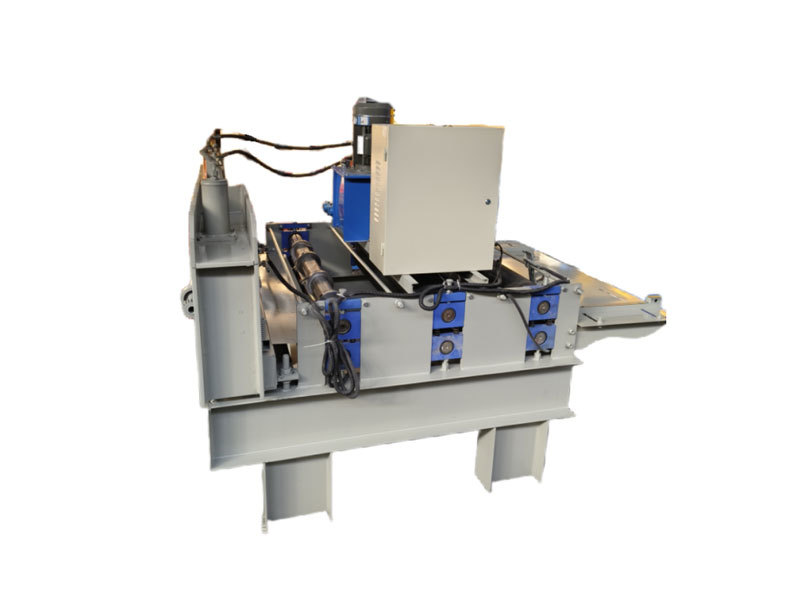
Key Features to Consider When Investing in a Semi-Automatic Leveling Machine
Table of Contents
- Understanding Semi-Automatic Leveling Machines
- Benefits of Semi-Automatic Leveling Machines
- Key Features to Consider
- Leveling Precision
- Speed and Capacity
- Automation Level
- Material Compatibility
- User-Friendly Interface
- Maintenance Requirements
- Safety Features
- Cost-Effectiveness
- Frequently Asked Questions (FAQs)
- Conclusion
Understanding Semi-Automatic Leveling Machines
Semi-automatic leveling machines have become essential tools in various manufacturing processes. These machines help achieve a higher degree of flatness and surface quality for materials like metal sheets, plastic, and wood. By reducing manual labor and enhancing precision, they streamline production flow, making them a worthy investment for manufacturers aiming for efficiency and quality.
Benefits of Semi-Automatic Leveling Machines
Investing in a semi-automatic leveling machine brings a myriad of benefits:
- Enhanced Precision: Semi-automatic systems allow for more consistent results compared to manual processes.
- Increased Efficiency: By automating certain functions, these machines can significantly reduce processing time.
- Reduced Labor Costs: Minimizing manual intervention lowers the need for skilled labor, thus saving costs.
- Improved Product Quality: Consistent leveling leads to higher quality end products.
Key Features to Consider
When investing in a semi-automatic leveling machine, it's crucial to assess various features that can impact your production capabilities and overall success. Here are some of the key aspects:
Leveling Precision
Precision is one of the foremost features to consider. Look for machines that offer high accuracy in leveling processes, measured in microns or millimeters. High precision levels ensure that the material is processed correctly, reducing the need for rework and minimizing waste.
Speed and Capacity
The speed at which a leveling machine operates is another critical factor. Assess the machine's throughput and how it aligns with your production goals. A machine that can handle high volumes while maintaining speed will significantly enhance your operational efficiency.
Automation Level
Different models offer varying degrees of automation. Decide whether you need a fully automated system or a semi-automated one that requires some manual intervention. More automation generally leads to better efficiency, but it may also come with higher upfront costs.
Material Compatibility
Ensure that the leveling machine is compatible with the materials you plan to process. Whether you're dealing with metals, plastics, or composites, the machine’s specifications should align with your material needs to achieve optimal results.
User-Friendly Interface
A user-friendly interface is essential for operational efficiency. Operators should quickly grasp how to use the machine, which minimizes training time and reduces the chances of operational errors. Look for machines with intuitive controls and clear display panels.
Maintenance Requirements
Regular maintenance is necessary to keep any machine running smoothly. Investigate the maintenance requirements of the specific model you are considering. Machines with easier maintenance processes, such as accessible components, can save time and money in the long run.
Safety Features
Safety should never be compromised. A good semi-automatic leveling machine should have built-in safety features such as emergency stop buttons, safety guards, and sensors that prevent accidents. Check if the machine complies with international safety standards.
Cost-Effectiveness
Finally, evaluate the overall cost-effectiveness of the machine. Consider the initial investment in relation to the machine's lifespan, efficiency, and the quality of output it provides. A higher upfront cost can often lead to lower long-term expenses due to increased productivity and reduced waste.
Frequently Asked Questions (FAQs)
1. What is a semi-automatic leveling machine?
A semi-automatic leveling machine is a device that automates part of the leveling process for various materials, helping to achieve uniform thickness and surface quality while still requiring some manual input from the operator.
2. How do I choose the right leveling machine for my needs?
Consider factors like leveling precision, speed, material compatibility, automation level, and maintenance requirements when choosing the right machine for your specific needs.
3. What materials can semi-automatic leveling machines process?
These machines can typically handle a variety of materials, including metals, plastics, and wood, depending on the specifications of the machine.
4. Are semi-automatic leveling machines safe to operate?
When equipped with the appropriate safety features and operated according to guidelines, semi-automatic leveling machines can be very safe. Always ensure they comply with safety standards.
5. What are the maintenance needs for a semi-automatic leveling machine?
Maintenance needs can vary by model, but generally include regular inspections, lubrication, and adjustments to ensure optimal performance and longevity.
Conclusion
Investing in a semi-automatic leveling machine is a significant decision that can enhance your manufacturing processes. By understanding and evaluating the key features outlined in this guide—such as leveling precision, speed, automation level, and safety—you can make an informed choice that meets your production needs. The right semi-automatic leveling machine will not only improve efficiency but will also lead to better product quality and reduced operational costs. Be sure to thoroughly assess your requirements and choose a machine that aligns with your goals to ensure a worthwhile investment.

Contact Us
E-mail :
chiyuan@chiyuanmachine.com
Phone/Wechat:
+86-13483837770
Address:
Botou Economic Development Zone, Cangzhou City, Hebei Province, China



Request Quote