Address:Botou, Cangzhou City, Hebei Province, China

Efficiency at its Best: The Semi-Automatic Leveling Machine Advantage
Feb 05,2025
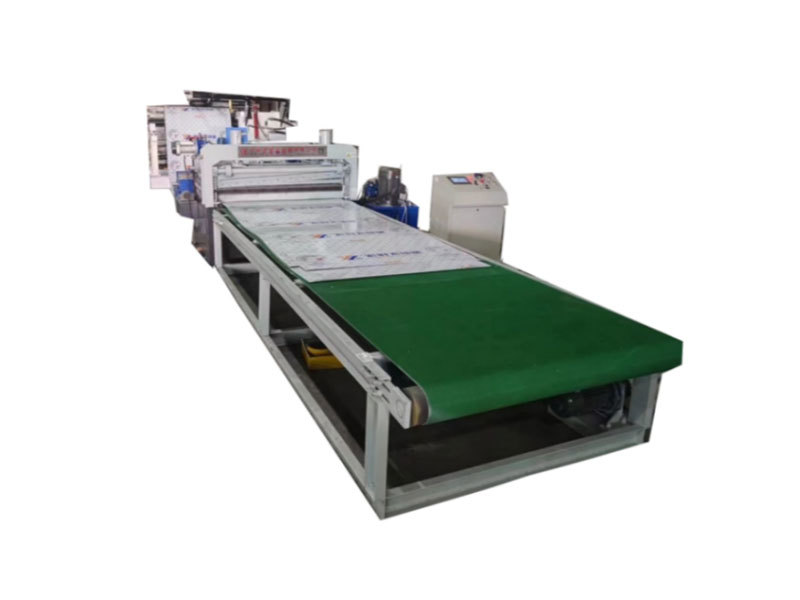
Efficiency at its Best: The Semi-Automatic Leveling Machine Advantage
Table of Contents
1. Introduction to Semi-Automatic Leveling Machines
2. The Importance of Leveling in Manufacturing
3. Key Features of Semi-Automatic Leveling Machines
3.1 Enhanced Precision and Accuracy
3.2 Time-Saving Capabilities
3.3 Cost-Effectiveness in Operations
4. Comparing Semi-Automatic and Fully Automatic Machines
5. Applications in Various Industries
5.1 Metalworking and Fabrication
5.2 Aerospace and Automotive Manufacturing
5.3 Electronics and Electrical Industries
6. Maintenance and Care for Optimal Performance
7. Frequently Asked Questions (FAQs)
8. Conclusion: Embracing Semi-Automatic Leveling Machines for Future Success
1. Introduction to Semi-Automatic Leveling Machines
In the realm of manufacturing, efficiency and precision are crucial in maintaining competitive edge. The **semi-automatic leveling machine** has emerged as a pivotal tool, bridging the gap between manual labor and full automation. These machines are designed to streamline the leveling process, ensuring that materials are uniformly flat and ready for subsequent operations. This article delves into the advantages of semi-automatic leveling machines, shedding light on their significance in modern manufacturing.
2. The Importance of Leveling in Manufacturing
Leveling is an essential process in manufacturing, particularly when dealing with sheet materials or components that require uniformity. Proper leveling ensures that:
- Components fit together seamlessly.
- Stress is evenly distributed across materials.
- The finished products exhibit higher quality and durability.
Neglecting the leveling process can lead to costly defects and rework, impacting productivity and profitability. Therefore, incorporating a semi-automatic leveling machine can significantly enhance the overall efficiency of manufacturing operations.
3. Key Features of Semi-Automatic Leveling Machines
Semi-automatic leveling machines are equipped with various features that set them apart from their manual counterparts. Below are some of the key attributes that contribute to their efficacy.
3.1 Enhanced Precision and Accuracy
One of the primary advantages of semi-automatic leveling machines is their ability to deliver **high precision and accuracy**. Equipped with advanced sensors and control systems, these machines can detect irregularities and adjust accordingly, ensuring that materials are perfectly leveled. This level of precision is critical, especially in industries where tight tolerances are mandatory.
3.2 Time-Saving Capabilities
Manual leveling can be a time-consuming process, requiring skilled labor and multiple adjustments. In contrast, semi-automatic machines significantly reduce the time needed for leveling operations. Operators can set parameters and oversee the process, allowing for increased throughput and more efficient use of resources.
3.3 Cost-Effectiveness in Operations
Investing in semi-automatic leveling machines can lead to substantial cost savings. By reducing labor costs and minimizing waste through accurate leveling, manufacturers can improve their bottom line. Furthermore, the longevity and reliability of these machines translate into lower maintenance costs over time.
4. Comparing Semi-Automatic and Fully Automatic Machines
While fully automatic machines offer complete hands-off operation, they may not always be the best choice for every manufacturer. Semi-automatic machines present a balanced approach, offering the following benefits:
- **Flexibility**: Operators can intervene and make adjustments as needed, providing a level of control that fully automated machines lack.
- **Lower Initial Investment**: Semi-automatic machines typically require a lower upfront investment compared to fully automated systems, making them more accessible for small to medium-sized enterprises.
Understanding these distinctions can help manufacturers select the right machine for their specific needs, ensuring optimal efficiency and productivity.
5. Applications in Various Industries
Semi-automatic leveling machines are versatile tools that find applications across multiple industries. Here are some of the key sectors benefiting from their use:
5.1 Metalworking and Fabrication
In metalworking, precise leveling is critical for processes such as welding, cutting, and assembling. Semi-automatic leveling machines ensure that metal sheets are accurately leveled, reducing the risk of defects in the final product.
5.2 Aerospace and Automotive Manufacturing
The aerospace and automotive industries demand exceptional quality and precision. Semi-automatic machines help maintain stringent tolerances, ensuring that components fit perfectly during assembly, which is essential for safety and performance.
5.3 Electronics and Electrical Industries
In the electronics sector, where components can be highly sensitive, the need for precision leveling cannot be overstated. Semi-automatic leveling machines assist in preparing circuit boards and other electronic components for assembly, minimizing risk and enhancing performance.
6. Maintenance and Care for Optimal Performance
To ensure that semi-automatic leveling machines perform at their best, regular maintenance is necessary. Here are some essential maintenance tips:
- **Routine Inspections**: Regularly check for wear and tear on components to prevent unexpected breakdowns.
- **Calibration**: Periodically calibrate the machine to maintain accuracy in leveling operations.
- **Lubrication**: Ensure that moving parts are adequately lubricated to reduce friction and prolong machine life.
Implementing a proactive maintenance schedule can significantly enhance the longevity and reliability of these machines.
7. Frequently Asked Questions (FAQs)
1. What is a semi-automatic leveling machine?
A semi-automatic leveling machine is a device that automates part of the leveling process while allowing operators to maintain some level of control, ensuring high precision and efficiency.
2. How does a semi-automatic leveling machine improve efficiency?
By reducing the time and labor required for manual leveling, these machines streamline the process, allowing for quicker production cycles and higher throughput.
3. What industries benefit from using semi-automatic leveling machines?
Industries such as metalworking, aerospace, automotive, and electronics benefit significantly from the precision and efficiency offered by semi-automatic leveling machines.
4. What maintenance is required for semi-automatic leveling machines?
Regular inspections, calibration, and lubrication are essential maintenance practices to keep semi-automatic leveling machines performing optimally.
5. Are semi-automatic leveling machines cost-effective?
Yes, they provide a cost-effective solution by minimizing labor costs, reducing material waste, and enhancing overall productivity in manufacturing operations.
8. Conclusion: Embracing Semi-Automatic Leveling Machines for Future Success
The adoption of **semi-automatic leveling machines** represents a significant advancement in manufacturing practices. Their ability to enhance precision, save time, and reduce costs makes them an invaluable asset for various industries. As manufacturing continues to evolve, embracing these machines will not only improve operational efficiency but also contribute to better product quality and increased competitiveness. Investing in a semi-automatic leveling machine could very well be the strategic move that propels a manufacturing business into a successful future.
TAG:

Contact Us
E-mail :
chiyuan@chiyuanmachine.com
Phone/Wechat:
+86-13483837770
Address:
Botou Economic Development Zone, Cangzhou City, Hebei Province, China



Request Quote