Address:Botou, Cangzhou City, Hebei Province, China

Integrating Automation in Color Steel Tile Machine Operations for Enhanced Efficiency
Feb 03,2025
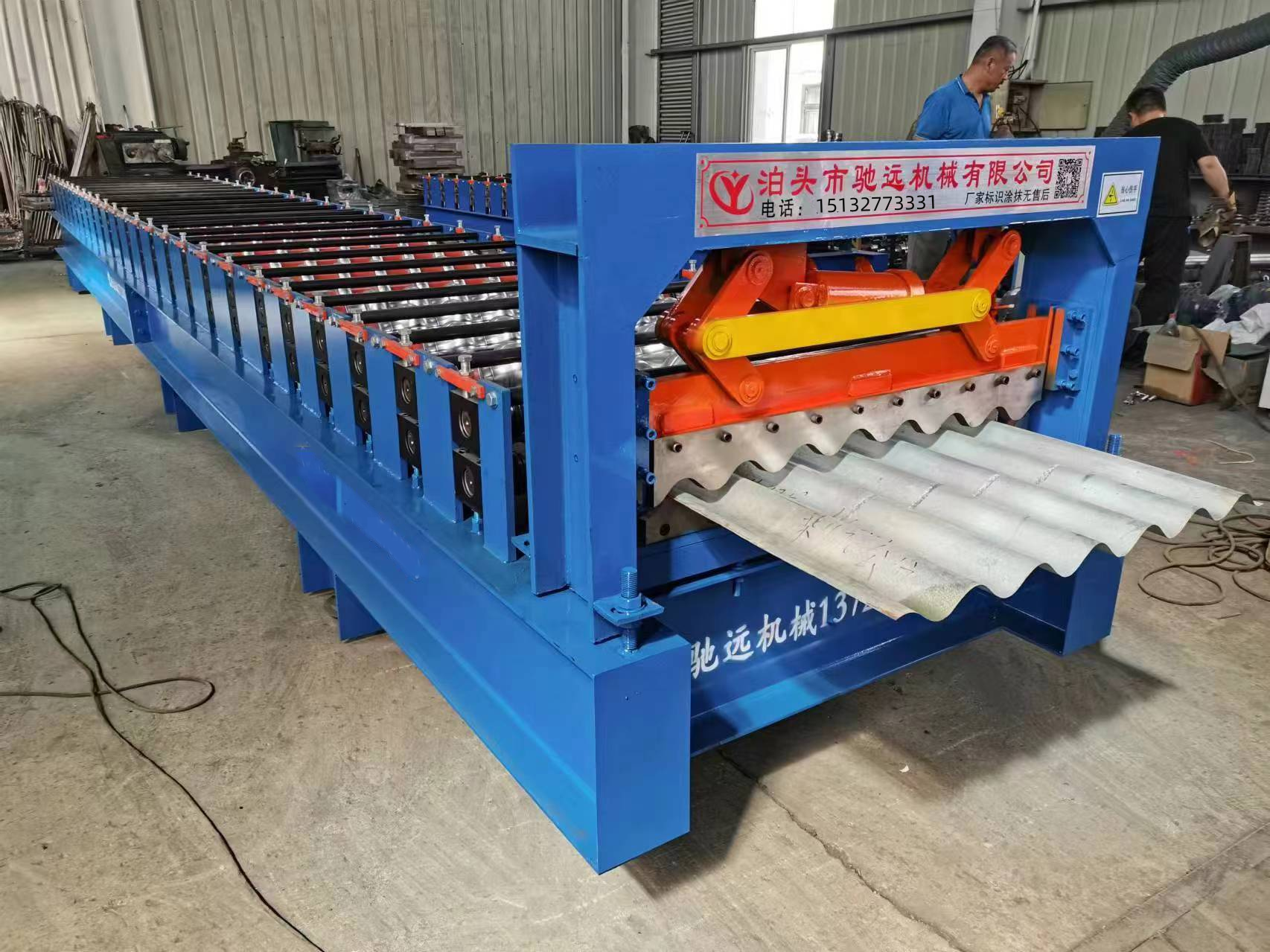
Integrating Automation in Color Steel Tile Machine Operations
Introduction to Automation in Manufacturing
In recent years, the manufacturing industry has witnessed a remarkable shift towards automation. This trend is particularly prominent in the color steel tile production sector, where integrating automation into operations has proven to enhance efficiency, reduce costs, and improve overall product quality. As we delve into the intricacies of this topic, we will explore the various facets of automation, its benefits, and practical implementation strategies.
The Role of Color Steel Tile Machines in Modern Manufacturing
Color steel tile machines are pivotal in producing durable, aesthetically pleasing roofing and wall solutions. These machines facilitate the rapid manufacturing of metal tiles that are not only lightweight but also resistant to harsh environmental conditions. By automating these processes, manufacturers can significantly increase production rates while maintaining high standards of quality.
Understanding the Importance of Automation
Automation encompasses the use of technology to perform tasks with minimal human intervention. In the context of color steel tile machines, automation can streamline workflows, reduce manual handling, and enhance precision in production. This transition not only boosts productivity but also allows manufacturers to allocate resources more effectively.
Benefits of Integrating Automation in Color Steel Tile Machine Operations
1. Increased Production Efficiency
Automated systems can operate continuously without the need for breaks, leading to a substantial increase in production efficiency. By integrating automation in color steel tile machine operations, manufacturers can produce larger volumes in shorter timeframes, meeting market demands more effectively.
2. Reduced Labor Costs
One of the most significant advantages of automation is the reduction in labor costs. With machines performing repetitive tasks, companies can minimize the number of employees required for production. This shift not only reduces salary expenses but also decreases the likelihood of workplace accidents associated with manual labor.
3. Enhanced Product Quality
Automation in color steel tile machine operations ensures consistency and precision in the manufacturing process. Machines equipped with advanced sensors and control systems can monitor production parameters in real time, ensuring that each tile meets the specified quality standards. This level of control reduces defects and waste, leading to higher customer satisfaction.
4. Flexibility and Customization
Modern automated systems allow for greater flexibility in production processes. Manufacturers can easily adjust settings to accommodate different tile designs, colors, and sizes without significant downtime. This adaptability is crucial in responding to changing market trends and customer preferences.
5. Improved Safety Standards
By minimizing human involvement in potentially hazardous tasks, automation enhances workplace safety. Machines can handle heavy materials, reducing the risk of injuries associated with manual lifting and handling. Furthermore, automated systems often include safety features that protect operators from accidents.
Key Components of an Automated Color Steel Tile Machine
To successfully integrate automation into color steel tile machine operations, it is essential to understand the key components that make up these systems.
1. Control Systems
Advanced control systems coordinate the various functions of the machine, ensuring that each component works in harmony. Programmable Logic Controllers (PLCs) are commonly used to manage these operations, allowing for precise control over production parameters.
2. Sensors and Monitoring Devices
Sensors play a vital role in automation by providing real-time feedback on production conditions. They can monitor temperature, pressure, and other critical factors, enabling the system to adjust operations as needed to maintain optimal performance.
3. Robotics and Automated Handling Systems
Robots are increasingly used in color steel tile manufacturing for tasks such as material handling, stacking, and packaging. These automated handling systems reduce the need for manual labor and enhance overall efficiency.
4. Software Solutions
Specialized software solutions facilitate the integration of automation systems, enabling manufacturers to monitor and control operations remotely. These tools provide valuable data insights that can drive continuous improvement initiatives.
Strategies for Implementing Automation in Color Steel Tile Machine Operations
To reap the benefits of automation, manufacturers must approach implementation strategically.
1. Assess Current Operations
Before integrating automation, it is crucial to conduct a thorough assessment of current manufacturing processes. Identify bottlenecks, inefficiencies, and areas where automation could provide the most significant impact.
2. Set Clear Goals
Define specific objectives for automation integration, such as increasing production capacity, reducing waste, or improving product quality. Clear goals will guide decision-making and help measure success.
3. Choose the Right Technology
Selecting the appropriate technology is vital for successful automation. Research available options, including control systems, sensors, and robotics, to find solutions that fit your operational needs.
4. Train Staff
Investing in training for staff is essential to ensure a smooth transition to automated operations. Employees should be familiar with new technologies and understand how to operate and maintain automated systems effectively.
5. Monitor and Optimize
Once automation is implemented, continuous monitoring is necessary to identify areas for optimization. Regular data analysis can help uncover insights that drive further improvements in efficiency and productivity.
Challenges in Integrating Automation
While automation offers numerous benefits, it is not without challenges.
1. Initial Investment Costs
The upfront costs associated with purchasing and installing automation equipment can be significant. Manufacturers must weigh these costs against the potential long-term savings and efficiencies gained.
2. Resistance to Change
Employees may be resistant to changes brought about by automation, fearing job loss or the need to adapt to new technologies. It is essential to communicate the benefits of automation and involve staff in the transition process.
3. Maintenance and Downtime
Automated systems require regular maintenance to ensure optimal performance. Downtime for maintenance can impact production schedules, making it important to establish a proactive maintenance plan.
Future Trends in Automation for Color Steel Tile Manufacturing
As technology continues to evolve, the future of automation in color steel tile manufacturing looks promising.
1. Artificial Intelligence and Machine Learning
The integration of AI and machine learning into manufacturing processes is set to revolutionize operations. These technologies can analyze vast amounts of data to optimize production schedules, predict maintenance needs, and improve overall efficiency.
2. Internet of Things (IoT)
The IoT enables machines to communicate with each other and with centralized control systems. This connectivity allows for real-time monitoring and adjustments, enhancing operational efficiency and decision-making.
3. Advanced Robotics
As robotics technology advances, we can expect to see more sophisticated robots capable of performing complex tasks in color steel tile manufacturing. These robots will further enhance automation and improve overall production capabilities.
Conclusion
Integrating automation into color steel tile machine operations presents manufacturers with a unique opportunity to enhance efficiency, reduce costs, and improve product quality. By understanding the key components of automated systems, addressing implementation challenges, and staying abreast of future trends, companies can position themselves for success in a competitive market. As the industry continues to evolve, embracing automation will be essential for sustaining growth and meeting the demands of an ever-changing landscape.
FAQs About Automation in Color Steel Tile Manufacturing
1. What is automation in color steel tile manufacturing?
Automation in this context refers to the use of technology to control production processes with minimal human intervention, resulting in increased efficiency and consistency.
2. How does automation improve product quality?
Automated systems can monitor production conditions in real time, ensuring that each product meets quality standards and reducing the likelihood of defects.
3. What are the initial costs associated with automation?
Initial costs can vary significantly depending on the technology chosen, but manufacturers should consider these as an investment toward long-term savings and increased productivity.
4. How can I train my staff for automated operations?
Investing in training programs and workshops that focus on the new technologies being implemented will prepare employees for the transition and help ease any resistance to change.
5. What future advancements can we expect in automation technology?
Emerging trends include the use of artificial intelligence, machine learning, and advanced robotics, which will further enhance production capabilities and efficiency in color steel tile manufacturing.
TAG:

Contact Us
E-mail :
chiyuan@chiyuanmachine.com
Phone/Wechat:
+86-13483837770
Address:
Botou Economic Development Zone, Cangzhou City, Hebei Province, China



Request Quote