Address:Botou, Cangzhou City, Hebei Province, China

Innovative Solutions for Overcoming Steel Plate Embossing Challenges in Manufacturing
Nov 28,2024
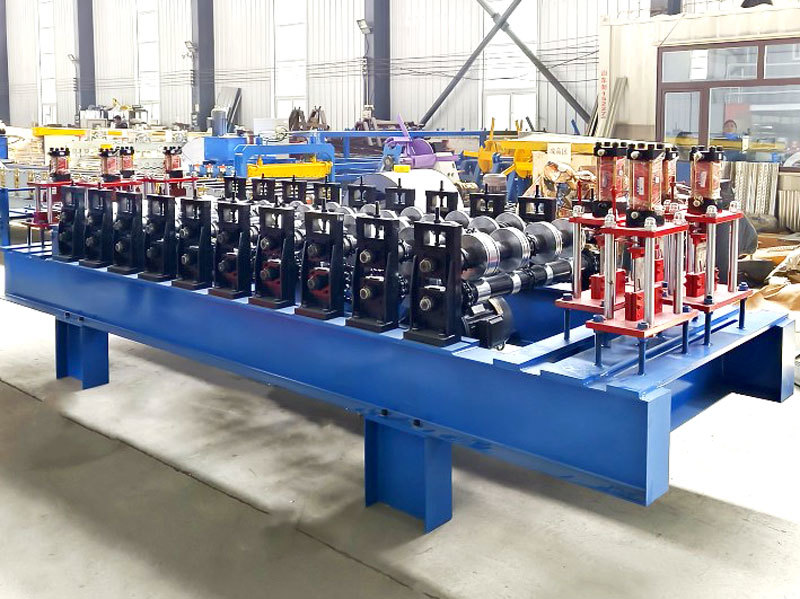
Innovative Solutions for Overcoming Steel Plate Embossing Challenges in Manufacturing
Table of Contents
1. Introduction to Steel Plate Embossing
2. Understanding the Steel Plate Embossing Process
3. Challenges in Steel Plate Embossing
3.1 Material Quality Issues
3.2 Machinery Limitations
3.3 Design Complexity and Precision
4. Innovative Solutions to Embossing Challenges
4.1 Advanced Machinery and Tools
4.2 Automation in the Embossing Process
4.3 Advancements in Material Science
5. Case Studies: Successful Implementations
6. Future Trends in Steel Plate Embossing
7. Conclusion
8. FAQs
Introduction to Steel Plate Embossing
Steel plate embossing is a vital process within the manufacturing and construction sectors, transforming flat steel sheets into textured materials that serve various functions. This procedure not only enhances the aesthetic appeal of products but also improves their functionality. As industries continue to demand higher quality and more complex designs, manufacturers face unique challenges in the embossing process. This article delves into these challenges and explores innovative solutions that can streamline operations, boost quality, and promote sustainability.
Understanding the Steel Plate Embossing Process
The steel plate embossing process involves creating raised or recessed designs on the surface of steel plates through various techniques, including mechanical stamping, heat embossing, and chemical etching. Each method has its unique advantages and complexities, which can affect the production timeline and material integrity. Understanding these processes helps in identifying the challenges that manufacturers may encounter, from the initial design phase to the final product.
Challenges in Steel Plate Embossing
Despite advancements in technology, several challenges persist in the steel plate embossing process. These challenges can significantly impact production efficiency, product quality, and operational costs.
Material Quality Issues
Material quality is paramount in steel plate embossing. Inconsistencies in the steel can lead to defects during embossing, such as warping, cracking, or incomplete impressions. Ensuring high-grade materials and maintaining stringent quality control measures are essential for achieving desired results. Manufacturers must invest in reliable suppliers and conduct regular quality assessments to mitigate these issues.
Machinery Limitations
The performance of embossing machinery plays a critical role in the overall efficiency of the process. Outdated or poorly maintained machinery can lead to slow production rates and increased downtime due to repairs. Additionally, some machines may lack the precision required for intricate designs, resulting in subpar finished products. Upgrading to state-of-the-art machinery can significantly improve production efficiency and product quality.
Design Complexity and Precision
As customer demands evolve, the complexity of designs has increased, presenting yet another challenge for manufacturers. Achieving precision in intricate designs requires advanced tools and techniques. Moreover, even minor errors can lead to significant waste and increased costs. Implementing design software and simulation technology can help manufacturers visualize and refine their designs before production, minimizing errors during the embossing process.
Innovative Solutions to Embossing Challenges
To overcome these challenges, manufacturers are adopting innovative solutions that enhance the embossing process. These solutions are designed to improve efficiency, quality, and sustainability in steel plate production.
Advanced Machinery and Tools
Investing in advanced machinery equipped with the latest technology is one of the most effective strategies for improving the embossing process. Modern embossing machines incorporate features such as high-speed operation, advanced pressure control, and precision alignment systems. These enhancements can significantly reduce production time and improve the accuracy of embossed designs.
Automation in the Embossing Process
Automation is transforming the manufacturing landscape, and the embossing process is no exception. By integrating automated systems, manufacturers can streamline operations, reduce labor costs, and minimize human error. Automated feeding systems ensure that steel plates are consistently fed into the embossing machines, while robotic arms can handle delicate tasks such as positioning and quality inspection.
Advancements in Material Science
Recent advancements in material science have led to the development of new steel alloys that offer superior performance in the embossing process. These materials are designed to withstand higher temperatures and pressures, making them ideal for embossing applications. Additionally, innovations such as coatings that enhance the durability and aesthetic appeal of embossed surfaces are becoming increasingly popular.
Case Studies: Successful Implementations
Several companies have successfully implemented innovative solutions to address the challenges of steel plate embossing. For instance, a leading automotive parts manufacturer upgraded its embossing machinery, resulting in a 30% increase in production efficiency. By incorporating automation into their processes, they also reduced labor costs and minimized errors, leading to higher quality products.
Another case involves a construction firm that adopted advanced materials for its steel plates. This transition not only improved the durability of the embossed surfaces but also contributed to sustainability by reducing material waste. By sharing these success stories, we can illustrate the tangible benefits of embracing innovation in the steel plate embossing industry.
Future Trends in Steel Plate Embossing
As the manufacturing sector continues to evolve, several trends are shaping the future of steel plate embossing. One significant trend is the growing emphasis on sustainability and eco-friendly practices. Manufacturers are increasingly seeking ways to reduce their environmental impact by using recyclable materials and implementing energy-efficient processes.
Additionally, the integration of Industry 4.0 technologies, such as the Internet of Things (IoT) and artificial intelligence (AI), is poised to revolutionize the embossing process. These technologies can provide real-time data analytics, enabling manufacturers to optimize their operations further and anticipate potential issues before they arise.
Conclusion
In conclusion, the challenges associated with steel plate embossing are multifaceted, but innovative solutions are paving the way for a more efficient and sustainable future in manufacturing. By investing in advanced machinery, embracing automation, and leveraging advancements in material science, manufacturers can address these challenges head-on. As the industry continues to evolve, businesses that prioritize innovation will not only enhance their operational efficiency but also position themselves as leaders in the competitive landscape.
FAQs
1. What are the main challenges in steel plate embossing?
Common challenges include material quality issues, machinery limitations, and the complexity of designs. These factors can impact production efficiency and product quality.
2. How can advanced machinery improve the embossing process?
Advanced machinery enhances speed, precision, and control during the embossing process, reducing production time and improving the quality of finished products.
3. What role does automation play in steel plate embossing?
Automation streamlines operations by reducing labor costs, minimizing human error, and ensuring consistency in production.
4. How do advancements in material science benefit steel plate embossing?
Advancements in material science lead to the development of higher-performing steel alloys that improve durability and reduce waste during the embossing process.
5. What are some future trends in the steel plate embossing industry?
Future trends include a focus on sustainability, the use of recyclable materials, and the integration of Industry 4.0 technologies for optimized operations.
TAG:

Contact Us
E-mail :
chiyuan@chiyuanmachine.com
Phone/Wechat:
+86-13483837770
Address:
Botou Economic Development Zone, Cangzhou City, Hebei Province, China



Request Quote