Address:Botou, Cangzhou City, Hebei Province, China

Demystifying the Operation of Hydraulic Shears: A Comprehensive Guide
Nov 26,2024
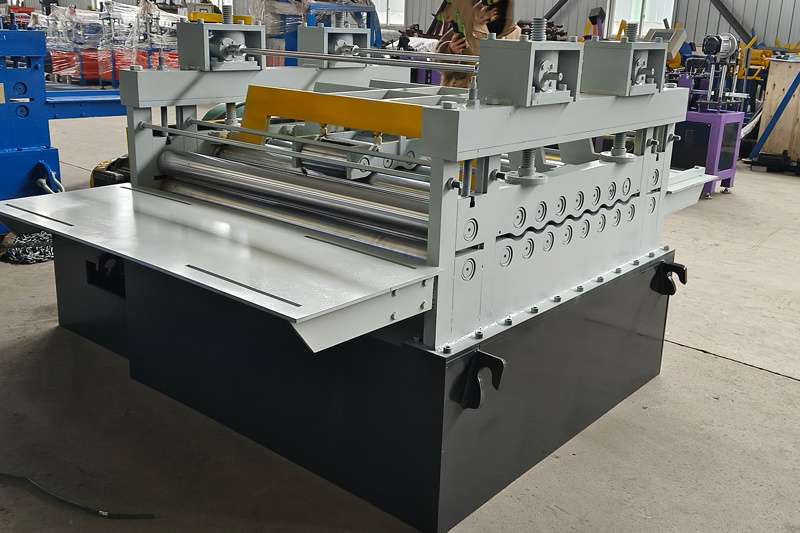
Demystifying the Operation of Hydraulic Shears: A Comprehensive Guide
In today's industrial landscape, hydraulic shears play a crucial role in enhancing efficiency and precision in metal processing and fabrication. Understanding how these powerful machines operate can help operators maximize their applications and ensure safety in the workplace. This guide dives deep into the mechanics behind hydraulic shears, their components, and their various applications in different industries.
Table of Contents
- 1. Introduction to Hydraulic Shears
- 2. Understanding the Hydraulic System
- 3. Key Components of Hydraulic Shears
- 4. How Hydraulic Shears Work
- 5. Applications of Hydraulic Shears in Various Industries
- 6. Benefits of Using Hydraulic Shears
- 7. Maintenance and Safety Tips for Hydraulic Shears
- 8. Common FAQs about Hydraulic Shears
- 9. Conclusion
1. Introduction to Hydraulic Shears
Hydraulic shears are hydraulic-powered machines designed to cut, shear, or trim various materials, primarily metals. The reliance on hydraulic technology allows these machines to achieve high cutting power with minimal physical effort. Manufacturers and metalworkers increasingly prefer hydraulic shears for their efficiency, precision, and versatility in handling various materials and thicknesses.
What are Hydraulic Shears Used For?
Hydraulic shears are commonly used in the metalworking industry for cutting large sheets of metal, scrap metal processing, and fabrication. They can easily cut through materials like aluminum, steel, and other metals, making them invaluable for recycling, manufacturing, and construction industries.
2. Understanding the Hydraulic System
At the heart of hydraulic shears is the hydraulic system, which utilizes incompressible fluid to transmit power. This system offers several advantages, including the ability to exert substantial force in a compact design. Let’s break down the components of a hydraulic system.
Basic Principles of Hydraulic Systems
Hydraulic systems operate based on Pascal's Law, which states that pressure applied to a confined fluid is transmitted undiminished throughout the fluid. This principle allows hydraulic shears to amplify force, making it easier to cut through thick materials.
Hydraulic Fluid
The hydraulic fluid is the lifeblood of the system, transferring power from the pump to the cylinder. It is essential to choose the right type of hydraulic fluid to ensure optimal performance and longevity of the equipment.
3. Key Components of Hydraulic Shears
Understanding the components of hydraulic shears is essential to grasp how they operate. Here’s a detailed look at the key parts.
Hydraulic Cylinder
The hydraulic cylinder is where the power from the hydraulic fluid is converted into mechanical energy. When pressurized fluid enters the cylinder, it pushes the piston, creating the force necessary for cutting.
Pump
The hydraulic pump is responsible for moving hydraulic fluid from the reservoir into the hydraulic cylinder. Various types of pumps are used in hydraulic systems, including gear pumps and piston pumps, each offering different performance characteristics.
Control Valves
Control valves manage the flow and direction of hydraulic fluid within the system. They allow operators to control the speed and force of the cutting action, ensuring precise operation.
Frame and Blade
The frame of the hydraulic shear provides structural integrity, while the blade is the cutting component. Blades can be made from high-strength materials, and their design can vary based on the intended application.
4. How Hydraulic Shears Work
Now that we understand the components, let’s look at the operational process of hydraulic shears.
Cutting Action of Hydraulic Shears
When the hydraulic system is activated, the pump sends hydraulic fluid into the cylinder. This pressurization moves the piston, which in turn moves the blade downwards onto the material to be cut. The force generated can be adjusted based on the material's thickness and type.
Types of Cuts
Hydraulic shears can perform various types of cuts, including straight cuts, angled cuts, and notching. The versatility in cutting options makes them suitable for a wide range of applications in the metalworking industry.
5. Applications of Hydraulic Shears in Various Industries
Hydraulic shears find applications across multiple industries due to their effectiveness in cutting metal and other materials.
Metal Fabrication
In metal fabrication shops, hydraulic shears are often used to cut metal sheets and plates into specific dimensions. This process is crucial for creating parts for machinery, vehicles, and structures.
Recycling
In recycling facilities, hydraulic shears are employed to process scrap metal. They efficiently reduce the size of metal waste, making it easier to transport and recycle.
Construction
In the construction industry, hydraulic shears are utilized for trimming rebar and metal sheeting, ensuring that materials are cut to precise lengths for various applications.
6. Benefits of Using Hydraulic Shears
There are numerous advantages to using hydraulic shears in industrial applications.
High Efficiency and Speed
Hydraulic shears can operate at high speeds, significantly increasing productivity in a manufacturing setting. The time saved during the cutting process translates into cost savings.
Consistent Quality of Cuts
Hydraulic shears provide clean and precise cuts, which is essential for maintaining the quality of the final product. This reduces the need for additional finishing processes.
Versatility
With the ability to cut various materials and thicknesses, hydraulic shears are adaptable to different applications, making them a valuable asset in any industrial setting.
7. Maintenance and Safety Tips for Hydraulic Shears
To ensure the longevity and safe operation of hydraulic shears, proper maintenance and adherence to safety protocols are essential.
Regular Maintenance Tasks
Regular maintenance should include checking hydraulic fluid levels, inspecting hoses and seals for leaks, and cleaning the blades. Keeping the equipment in top condition helps prevent unexpected downtime and costly repairs.
Safety Protocols
Safety is a top priority when operating hydraulic shears. Operators should wear appropriate personal protective equipment (PPE), including gloves and safety goggles. Additionally, safety guards should be in place to prevent accidental contact with the cutting blade.
8. Common FAQs about Hydraulic Shears
What materials can hydraulic shears cut?
Hydraulic shears are capable of cutting various materials, including steel, aluminum, copper, and other metals, depending on the size and power of the machine.
How do I choose the right hydraulic shear for my needs?
Choosing the right hydraulic shear depends on factors such as the thickness of the materials you intend to cut, the type of cuts required, and the production volume.
What should I do if my hydraulic shear is not operating correctly?
If your hydraulic shear is not functioning properly, check for issues such as low hydraulic fluid levels, leaks, or malfunctioning components. Consult the manufacturer's manual for troubleshooting steps.
How often should hydraulic shears be serviced?
Hydraulic shears should be serviced regularly, typically every six months, depending on usage. More frequent inspections may be necessary for heavy use.
Are hydraulic shears safe to operate?
When operated according to manufacturer guidelines and safety protocols, hydraulic shears can be safe. Proper training and the use of PPE are crucial for minimizing risks.
9. Conclusion
Hydraulic shears have become an indispensable tool in various industries due to their efficiency, precision, and versatility. By understanding their operation, components, and maintenance, operators can maximize their performance and ensure safety in the workplace. As technology advances, we can expect hydraulic shears to become even more sophisticated, further enhancing their capabilities in metal processing and fabrication.

Contact Us
E-mail :
chiyuan@chiyuanmachine.com
Phone/Wechat:
+86-13483837770
Address:
Botou Economic Development Zone, Cangzhou City, Hebei Province, China



Request Quote