Address:Botou, Cangzhou City, Hebei Province, China

Mastering the Craft: Steel Plate Embossing Techniques for Engineering and Construction
Oct 25,2024
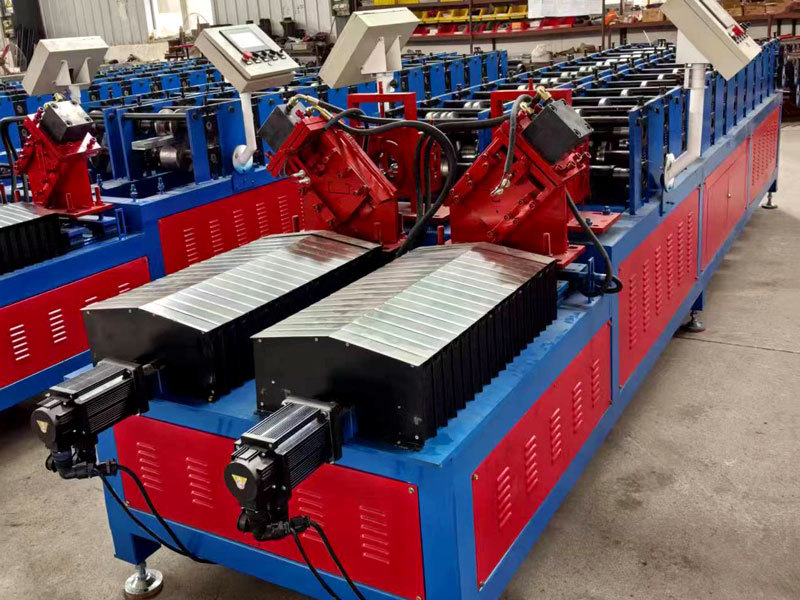
Mastering the Craft: Steel Plate Embossing Techniques for Engineering and Construction
Table of Contents
- 1. Introduction to Steel Plate Embossing
- 2. What is Steel Plate Embossing?
- 3. Importance of Steel Plate Embossing in Engineering and Construction
- 4. Essential Tools and Materials for Steel Plate Embossing
- 5. Techniques for Effective Steel Plate Embossing
- 6. Applications of Steel Plate Embossing in Various Industries
- 7. Maintenance and Care of Embossed Steel Plates
- 8. Common Issues and Solutions in Steel Plate Embossing
- 9. Conclusion
- 10. Frequently Asked Questions
1. Introduction to Steel Plate Embossing
Steel plate embossing is an intricate process that enhances the surface of steel plates, imbuing them with unique designs and added functionality. This technique plays a significant role in various industries, from construction to automotive manufacturing. By understanding the fundamentals of steel plate embossing, engineers and craftsmen can create components that not only meet aesthetic standards but also improve performance and durability.
2. What is Steel Plate Embossing?
Steel plate embossing involves creating raised or recessed designs on the surface of steel plates. This is typically achieved through various techniques that apply pressure to the material, reshaping it without removing material. The result is a textured surface that can serve multiple purposes, such as providing better grip, enhancing visual appeal, or increasing structural integrity.
3. Importance of Steel Plate Embossing in Engineering and Construction
The significance of steel plate embossing cannot be overstated in engineering and construction sectors. Here are several reasons why it matters:
3.1 Enhancing Aesthetics
Embossed steel plates add visual interest to structures and products, making them more appealing to consumers and clients.
3.2 Functional Benefits
The texture created by embossing improves grip and reduces slippage, crucial in safety applications.
3.3 Increased Durability
Embossing can enhance the mechanical properties of steel, making it more resistant to wear and tear.
4. Essential Tools and Materials for Steel Plate Embossing
Before embarking on a steel plate embossing project, it is essential to gather the right tools and materials. Here’s a list of what you'll need:
4.1 Tools
- **Embossing Machines**: Hydraulic or mechanical machines designed specifically for embossing.
- **Dies and Molds**: Tools that create the desired pattern on the steel plate.
- **Presses**: Used to apply the necessary pressure during the embossing process.
4.2 Materials
- **Steel Plates**: The primary material to be embossed, typically available in various grades and thicknesses.
- **Lubricants**: Used to reduce friction and wear on dies and molds during the embossing process.
5. Techniques for Effective Steel Plate Embossing
Successful steel plate embossing requires a deep understanding of different techniques. Here, we explore two primary methods: manual and machine embossing.
5.1 Manual Embossing Techniques
Manual embossing is often favored for small-scale projects or intricate designs. This technique involves using hand tools to apply pressure to the steel plate. Here are some steps involved in manual embossing:
1. **Design Preparation**: Create a detailed design that will be transferred to the steel plate.
2. **Tool Selection**: Choose appropriate hand tools such as hammers, chisels, or embossing stamps.
3. **Pressure Application**: Carefully apply pressure using the selected tools, ensuring even pressure distribution to achieve the desired depth and texture.
5.2 Machine Embossing Techniques
Machine embossing is ideal for larger production runs and more uniform results. This method utilizes specialized machinery to automate the process. Here’s how it typically works:
1. **Setup**: Position the steel plate and the die within the machine.
2. **Pressure Control**: Adjust the machine settings to apply the correct amount of pressure for the specific material and design.
3. **Execution**: Initiate the embossing cycle, allowing the machine to create the desired pattern efficiently.
6. Applications of Steel Plate Embossing in Various Industries
Steel plate embossing finds applications across multiple industries. Here are some notable examples:
6.1 Construction
In the construction industry, embossed steel plates are used for flooring, wall panels, and architectural elements, providing both durability and style.
6.2 Automotive
Automotive manufacturers utilize embossed steel for components that require enhanced grip and aesthetic appeal, such as trims and interior panels.
6.3 Aerospace
In aerospace, embossed steel plates contribute to weight reduction while maintaining structural integrity, essential for performance.
6.4 Manufacturing
Embossed steel is widely used in machinery parts, significantly improving performance and longevity.
7. Maintenance and Care of Embossed Steel Plates
To ensure the longevity of embossed steel plates, regular maintenance is essential. Here are some key practices:
7.1 Cleaning
Regularly clean the embossed surfaces with appropriate cleaners to prevent corrosion and maintain appearance.
7.2 Inspections
Conduct periodic inspections to check for signs of wear, damage, or rust, allowing for timely repairs or replacements.
7.3 Protective Coatings
Applying protective coatings can further enhance the durability of embossed steel plates, shielding them from environmental factors.
8. Common Issues and Solutions in Steel Plate Embossing
While embossing steel plates can yield remarkable results, several challenges may arise. Here are some common issues and their solutions:
8.1 Inconsistent Patterns
**Issue**: Variations in pressure can lead to inconsistent patterns.
**Solution**: Ensure that the pressure is evenly distributed and monitor machine settings closely.
8.2 Material Distortion
**Issue**: Excessive pressure may cause distortion in the steel plate.
**Solution**: Adjust the pressure settings and choose appropriate thicknesses for the embossing process.
8.3 Surface Defects
**Issue**: Poor surface finish may result from tooling issues.
**Solution**: Regular maintenance of tools and equipment can prevent surface defects.
9. Conclusion
Mastering the craft of steel plate embossing is essential for professionals in engineering and construction. By understanding the techniques, tools, and applications, one can create high-quality embossed products that meet both aesthetic and functional requirements. Whether you opt for manual or machine embossing, maintaining best practices is key to achieving exceptional results.
10. Frequently Asked Questions
10.1 What materials can be embossed besides steel?
While steel is the most common material for embossing, other metals such as aluminum and brass can also be embossed, depending on the intended application.
10.2 How thick should the steel plate be for embossing?
The thickness of the steel plate depends on the design and application. Typically, thinner plates (1/8 to 1/4 inch) are easier to emboss but may not be suitable for all applications.
10.3 Can I emboss steel plates at home?
Yes, manual embossing can be done at home with the right tools and materials. However, for larger projects, consider professional equipment.
10.4 How long does the embossing process take?
The duration of the embossing process varies depending on the technique and complexity of the design, ranging from a few minutes to several hours.
10.5 Are there any safety precautions to consider during embossing?
Yes, it is essential to wear protective gear, such as gloves and safety glasses, and ensure proper ventilation when working with steel and equipment.
TAG:
PREVIOUS:

Contact Us
E-mail :
chiyuan@chiyuanmachine.com
Phone/Wechat:
+86-13483837770
Address:
Botou Economic Development Zone, Cangzhou City, Hebei Province, China



Request Quote