Address:Botou, Cangzhou City, Hebei Province, China

Effortless Efficiency: Streamlining Production with Hydraulic Uncoilers
Oct 21,2024
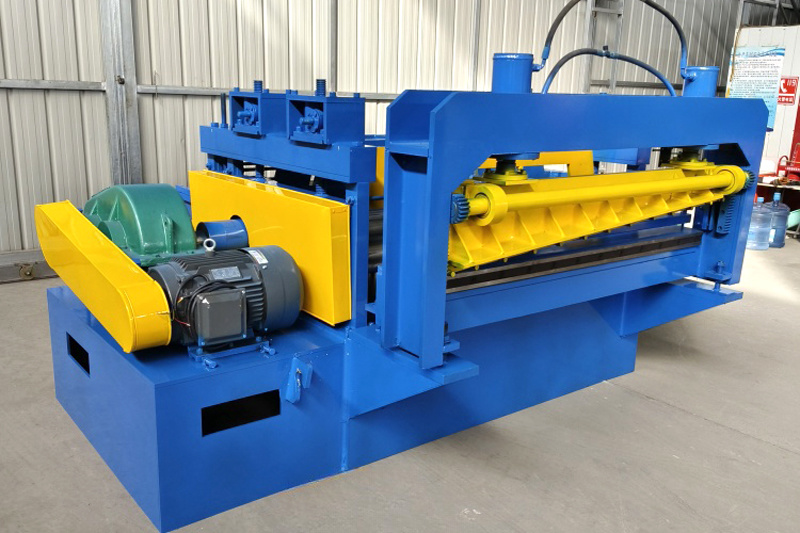
Effortless Efficiency: Streamlining Production with Hydraulic Uncoilers
Table of Contents
- 1. Introduction to Hydraulic Uncoilers
- 2. Key Benefits of Using Hydraulic Uncoilers in Production
- 3. How Hydraulic Uncoilers Operate
- 4. Applications of Hydraulic Uncoilers in Various Industries
- 5. Essential Components of Hydraulic Uncoilers
- 6. Best Practices for Maintaining Hydraulic Uncoilers
- 7. Emerging Trends in Hydraulic Uncoiler Technology
- 8. Frequently Asked Questions (FAQs)
- 9. Conclusion
1. Introduction to Hydraulic Uncoilers
Hydraulic uncoilers play a crucial role in modern manufacturing processes, allowing companies to manage their materials with unparalleled efficiency. These devices facilitate the feeding of large coils of material, such as metal sheets or wires, into production lines effortlessly. By employing hydraulic mechanics, uncoilers offer both precision and power, making them an invaluable asset for businesses aiming to increase throughput and reduce manual handling.
2. Key Benefits of Using Hydraulic Uncoilers in Production
The integration of hydraulic uncoilers into production systems brings numerous benefits, including:
Increased Efficiency in Material Handling
Hydraulic uncoilers streamline the loading and feeding of materials, significantly reducing the time required to switch between production tasks. This efficiency translates to shorter lead times and enhanced output rates.
Improved Safety for Operators
By automating the uncoiling process, these machines minimize the physical strain on operators, thereby reducing the risk of workplace injuries and increasing overall safety levels.
Enhanced Precision and Consistency
Hydraulic systems provide consistent torque and speed control, ensuring that materials are fed uniformly into the production line. This consistency is crucial for maintaining product quality and reducing waste.
Reduced Downtime
With their robust design and reliable performance, hydraulic uncoilers can significantly decrease downtime related to material feed disruptions. This reliability allows companies to maintain steady production flows.
3. How Hydraulic Uncoilers Operate
Hydraulic uncoilers utilize pressurized hydraulic fluid to drive the uncoiling process. Here’s how they work:
Hydraulic System Basics
The hydraulic system consists of a pump, hoses, cylinders, and valves. When activated, the hydraulic pump pushes fluid through the system, generating the force needed to uncoil the material.
Uncoiling Mechanism
As the hydraulic pressure is applied to the uncoiling arm, the coil is gradually unwound and fed into the production line. This process is controlled via sensors and programmable logic controllers (PLCs), allowing for precise adjustments based on production requirements.
Integration with Production Lines
Hydraulic uncoilers can easily be integrated into existing production lines, enhancing workflow without requiring extensive alterations to current setups.
4. Applications of Hydraulic Uncoilers in Various Industries
The versatility of hydraulic uncoilers makes them suitable for multiple industries:
Metal Fabrication
In metal fabrication, hydraulic uncoilers are used to feed sheets or coils into cutting and bending machines, enhancing the efficiency of production processes.
Automotive Manufacturing
The automotive industry relies on hydraulic uncoilers for processing various materials, including steel and aluminum, used in vehicle assembly lines.
Packaging Industry
In packaging, hydraulic uncoilers facilitate the feeding of flexible materials that are essential for producing containers, wrappers, and other packaging solutions.
Construction
Hydraulic uncoilers are employed in construction manufacturing for materials like rebar and wire, streamlining the process of material handling.
5. Essential Components of Hydraulic Uncoilers
Understanding the main components of hydraulic uncoilers helps in appreciating their functionality:
Hydraulic Pump
The hydraulic pump generates the necessary pressure for the uncoiling process, making it a vital component.
Cylinders and Valves
Cylinders convert hydraulic energy into mechanical force, while valves control the fluid flow, providing precise control over the uncoiling operation.
Control Systems
Modern hydraulic uncoilers are equipped with advanced control systems, including PLCs and human-machine interfaces (HMIs) that allow operators to monitor and adjust settings easily.
6. Best Practices for Maintaining Hydraulic Uncoilers
Regular maintenance ensures the longevity and efficiency of hydraulic uncoilers:
Routine Inspections
Conducting regular inspections helps identify wear and tear or potential issues before they escalate into major failures.
Fluid Quality Control
Maintaining the quality of hydraulic fluid is critical. Contaminated fluid can lead to reduced performance and damage to components.
Scheduled Servicing
Implementing a routine servicing schedule with trained technicians can drastically extend the lifespan of hydraulic uncoilers.
7. Emerging Trends in Hydraulic Uncoiler Technology
As technology evolves, so do hydraulic uncoilers. Here are some emerging trends:
Automation and Smart Technology
The integration of automation and IoT technology allows for real-time monitoring and data collection, optimizing production efficiency even further.
Energy Efficiency Innovations
New designs focus on energy efficiency, using less hydraulic fluid and reducing power consumption, which is beneficial for both the environment and operational costs.
Customization Options
Manufacturers are now offering customizable hydraulic uncoilers tailored to specific production needs, allowing businesses to optimize their equipment for unique applications.
8. Frequently Asked Questions (FAQs)
What is a hydraulic uncoiler?
A hydraulic uncoiler is a machine that uses hydraulic power to unwind large coils of materials efficiently, ensuring a smooth feeding process into production lines.
How does a hydraulic uncoiler improve safety?
By automating the uncoiling process, hydraulic uncoilers reduce the physical strain on operators, minimizing the risk of injuries associated with manual handling.
Can hydraulic uncoilers be integrated into existing production lines?
Yes, hydraulic uncoilers can be easily integrated into most production lines, enhancing workflow without requiring significant modifications.
What maintenance is required for hydraulic uncoilers?
Regular inspections, fluid quality control, and scheduled servicing are essential for maintaining hydraulic uncoilers and ensuring their longevity.
What industries benefit from hydraulic uncoilers?
Hydraulic uncoilers are beneficial in various industries, including metal fabrication, automotive manufacturing, packaging, and construction.
9. Conclusion
In conclusion, **hydraulic uncoilers** are indispensable tools that enhance production efficiency across various industries. Their ability to automate the uncoiling process not only improves operational performance but also promotes safety and consistency in material handling. As technology advances, the potential of hydraulic uncoilers will continue to expand, offering even greater benefits to manufacturers. Embracing these innovations can lead to significant improvements in production capabilities, helping businesses stay competitive in an ever-evolving market. Investing in hydraulic uncoilers is a step toward achieving **effortless efficiency** in production operations.
TAG:

Contact Us
E-mail :
chiyuan@chiyuanmachine.com
Phone/Wechat:
+86-13483837770
Address:
Botou Economic Development Zone, Cangzhou City, Hebei Province, China



Request Quote