Address:Botou, Cangzhou City, Hebei Province, China

The Future of Manufacturing: Steel Plate Embossing Insights
Sep 22,2024
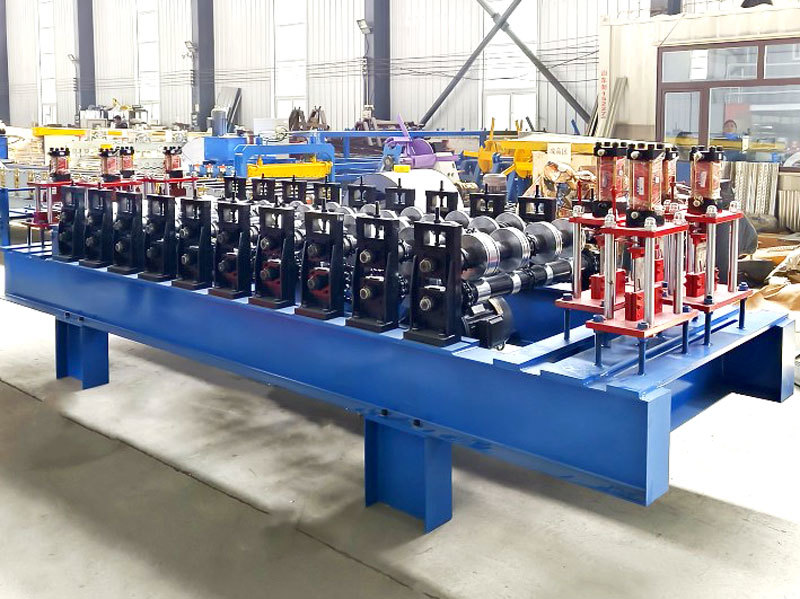
The Future of Manufacturing: Steel Plate Embossing Insights
Table of Contents
- 1. Introduction to Steel Plate Embossing
- 2. Importance of Steel Plate Embossing in Manufacturing
- 3. Innovative Technologies in Steel Plate Embossing
- 4. Applications of Steel Plate Embossing
- 5. Future Trends in Steel Plate Embossing
- 6. Environmental Impact and Sustainability
- 7. Challenges in Steel Plate Embossing
- 8. Best Practices for Implementing Steel Plate Embossing
- 9. Frequently Asked Questions
- 10. Conclusion
1. Introduction to Steel Plate Embossing
Steel plate embossing is a vital process within the manufacturing sector, allowing for the enhancement of aesthetic and functional properties of steel plates. This technique involves the application of pressure to create raised patterns or textures on the surface of steel plates. As we delve into the future of manufacturing, understanding steel plate embossing is crucial, as it represents both innovation in design and efficiency in production.
Embossing not only improves the visual appeal of steel products but also adds functional characteristics such as grip and resistance to wear. As manufacturing processes evolve, steel plate embossing is expected to become even more integral, reflecting advancements in technology and materials.
2. Importance of Steel Plate Embossing in Manufacturing
The significance of steel plate embossing cannot be overstated. This process plays a critical role in various industries, from automotive to construction, where the demand for customized metal solutions is on the rise. Here are several key reasons why steel plate embossing is essential in manufacturing:
Enhanced Aesthetic Appeal
Steel plate embossing allows manufacturers to create visually striking products that stand out in the marketplace. Customized designs can be tailored to meet consumer preferences, enhancing brand identity.
Improved Functionality
Embossing can enhance the functionality of steel plates by providing texture that improves grip, reduces slip, and increases durability. This feature is particularly beneficial in applications that require safety and performance.
Cost-Effectiveness
By utilizing steel plate embossing, manufacturers can reduce material costs while maintaining product integrity. Embossed patterns can often replace additional material layers, streamlining production processes.
Customization and Versatility
Steel plate embossing offers unparalleled customization options. Industries can leverage this technique to design products that meet unique specifications and demands, allowing for a diverse range of applications.
3. Innovative Technologies in Steel Plate Embossing
The landscape of steel plate embossing is rapidly evolving, driven by advancements in technology. Modern techniques enhance precision, efficiency, and sustainability in the manufacturing process.
Digital Embossing Techniques
Digital embossing utilizes computer-controlled systems to achieve intricate designs with high accuracy. This technology allows for rapid prototyping and custom designs, significantly reducing lead times.
3D Printing Integration
Integrating 3D printing with traditional embossing methods enables manufacturers to produce complex patterns that were once unattainable. This combination opens new avenues for creativity and innovation in design.
Automation and Robotics
The incorporation of robotics in the embossing process streamlines production and minimizes human error. Automated systems can operate continuously, increasing output while maintaining high-quality standards.
4. Applications of Steel Plate Embossing
Steel plate embossing finds application across various sectors, enhancing functionality and aesthetics in numerous products.
Automotive Industry
In the automotive sector, embossed steel plates are commonly used in interior designs, providing both visual appeal and functional advantages such as improved grip and reduced noise.
Construction
Embossed steel plates are integral in construction for applications such as flooring, wall cladding, and architectural elements. Their slip-resistant surfaces contribute to safety in residential and commercial buildings.
Consumer Goods
Products like appliances and furniture often incorporate embossed steel for enhanced design and durability. This application demonstrates how embossing can elevate everyday items.
5. Future Trends in Steel Plate Embossing
As we look to the future, several trends are shaping the evolution of steel plate embossing.
Emphasis on Sustainability
Sustainable practices are becoming increasingly important in manufacturing. The future of steel plate embossing will likely focus on reducing waste and utilizing eco-friendly materials. Manufacturers are expected to adopt processes that minimize environmental impact.
Smart Manufacturing
The rise of Industry 4.0 brings smart manufacturing into the spotlight. Integrating IoT (Internet of Things) technology will enhance monitoring and control of embossing machines, improving efficiency and precision.
Customization through AI
Artificial Intelligence will revolutionize customization in steel plate embossing. AI algorithms can analyze consumer preferences, leading to tailored designs that meet market demands more effectively.
6. Environmental Impact and Sustainability
Sustainability in manufacturing is a growing concern, and steel plate embossing is no exception. As industries strive for greener practices, several initiatives are being undertaken:
Recycling and Material Efficiency
The use of recycled steel in embossing processes is becoming commonplace. Manufacturers are focusing on improving material efficiency to reduce waste, contributing to a circular economy.
Energy-Efficient Machinery
Investments in energy-efficient embossing machinery not only reduce operational costs but also lower the carbon footprint of manufacturing processes.
Green Certifications
Obtaining green certifications can enhance a manufacturer's reputation and marketability. Companies will likely seek ISO certifications that emphasize sustainable practices in steel plate embossing.
7. Challenges in Steel Plate Embossing
While the future of steel plate embossing looks promising, certain challenges must be addressed:
Technological Limitations
Despite advancements, some manufacturers may struggle to implement the latest technologies due to high costs or lack of skilled personnel.
Material Variability
The quality of raw materials can vary, impacting the embossing process's consistency and final product quality. Manufacturers must establish robust quality control measures to mitigate this issue.
Market Competition
As the industry grows, competition becomes stiffer. Manufacturers must differentiate their offerings through innovation and quality to maintain market share.
8. Best Practices for Implementing Steel Plate Embossing
To maximize the benefits of steel plate embossing, manufacturers should consider the following best practices:
Invest in Training
Providing staff with training on the latest embossing technologies can enhance productivity and reduce errors during the manufacturing process.
Embrace Automation
Integrating automation into the embossing process can improve efficiency and output while minimizing human error.
Focus on Quality Control
Implementing stringent quality control measures at every stage of production ensures that the final products meet high standards.
9. Frequently Asked Questions
What is steel plate embossing?
Steel plate embossing is a manufacturing process that creates raised patterns or textures on the surface of steel plates, enhancing both aesthetic appeal and functional properties.
What industries utilize steel plate embossing?
Steel plate embossing is used in various industries, including automotive, construction, consumer goods, and appliances.
How does technology impact steel plate embossing?
Innovative technologies such as digital embossing, automation, and 3D printing significantly improve precision, efficiency, and customization capabilities in steel plate embossing.
What are the environmental benefits of steel plate embossing?
The adoption of sustainable practices, including material recycling and energy-efficient machinery, reduces the environmental impact of steel plate embossing.
What challenges do manufacturers face in steel plate embossing?
Manufacturers encounter challenges such as technological limitations, material variability, and increased market competition that can affect production quality and efficiency.
10. Conclusion
The future of manufacturing, particularly in the realm of steel plate embossing, holds significant promise. As we move towards a more innovative and sustainable landscape, understanding the intricacies of this process is paramount. By embracing new technologies, prioritizing sustainability, and implementing best practices, manufacturers can position themselves for success in an increasingly competitive market. The insights shared in this article illuminate the path forward for those looking to thrive in the dynamic world of steel plate embossing.
TAG:

Contact Us
E-mail :
chiyuan@chiyuanmachine.com
Phone/Wechat:
+86-13483837770
Address:
Botou Economic Development Zone, Cangzhou City, Hebei Province, China



Request Quote