Address:Botou, Cangzhou City, Hebei Province, China

Crafting Tomorrow's Innovations with Hydraulic Bending Machines: Revolutionizing Industrial Design
Sep 16,2024
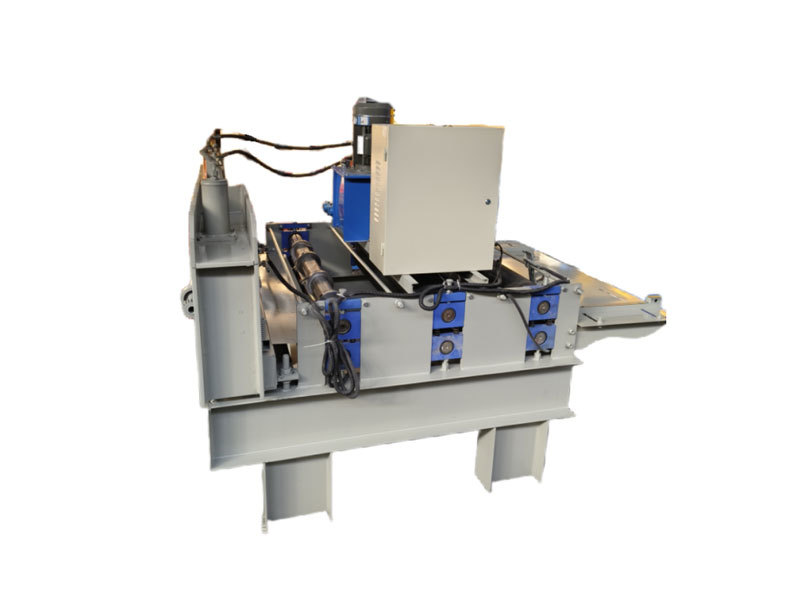
Crafting Tomorrow's Innovations with Hydraulic Bending Machines
Table of Contents
- Introduction to Hydraulic Bending Machines
- Understanding the Technology Behind Hydraulic Bending
- Types of Hydraulic Bending Machines
- Benefits of Using Hydraulic Bending Machines
- Applications of Hydraulic Bending Machines in Various Industries
- Choosing the Right Hydraulic Bending Machine for Your Needs
- Maintenance and Care for Hydraulic Bending Machines
- The Future of Hydraulic Bending Technology
- Conclusion
- Frequently Asked Questions
Introduction to Hydraulic Bending Machines
In the fast-paced world of industrial manufacturing, **hydraulic bending machines** have emerged as a crucial component in the **metalworking industry**. These machines possess the capability to bend, shape, and form metal sheets and components with precision and efficiency. As industries evolve, the demand for innovative bending solutions continues to rise, making hydraulic bending machines an essential tool for modern manufacturers.
Hydraulic bending machines utilize fluid power to generate force, allowing for the bending of metals in a variety of shapes and sizes. This technology not only streamlines the bending process but also enhances the quality and consistency of the finished product. In this article, we delve into the intricacies of hydraulic bending machines, exploring their technology, benefits, applications, and future trends.
Understanding the Technology Behind Hydraulic Bending
At the core of hydraulic bending machines is the principle of **hydraulics**, which involves the study and application of fluid mechanics. The machines operate on Pascal's law, which states that pressure applied to a confined fluid is transmitted undiminished in all directions. This principle allows hydraulic systems to amplify force and perform heavy-duty tasks with remarkable precision.
Hydraulic bending machines typically consist of several key components, including:
- **Hydraulic Cylinder**: This is where the hydraulic fluid is pressurized. The cylinder's movement generates the force needed to bend the material.
- **Die and Punch**: These are the tools that shape the metal. The punch presses down on the metal against the die, creating the desired bend.
- **Control System**: Modern hydraulic bending machines are equipped with advanced control systems that allow for precise adjustments to bending angles and depths.
The integration of **computer numerical control (CNC)** technology has further enhanced hydraulic bending machines, enabling operators to input specifications and replicate complex bends with ease. This level of automation increases efficiency and reduces the potential for human error.
Types of Hydraulic Bending Machines
Hydraulic bending machines come in various types, each designed to meet specific operational needs. The most common types include:
1. **C-Frame Bending Machines**
C-frame machines are designed with a C-shaped frame that provides stability and strength. These machines are ideal for bending thicker materials and larger components.
2. **H-Frame Bending Machines**
H-frame machines offer increased versatility and are suitable for a range of bending applications. They typically feature a wider working area and can accommodate larger sheets.
3. **Press Brake Bending Machines**
Press brake machines are the most widely used type of hydraulic bending machine. They utilize a punch and die setup to create precise bends in various materials, from aluminum to stainless steel.
4. **Angle Bending Machines**
Angle bending machines are specialized for bending metal into angles and shapes. They are commonly used in the construction of frameworks and structural components.
5. **Automated Hydraulic Bending Machines**
With advancements in technology, automated hydraulic bending machines offer features such as CNC control, improving precision and production efficiency.
Benefits of Using Hydraulic Bending Machines
The adoption of hydraulic bending machines in industrial settings brings several advantages that significantly enhance manufacturing processes:
1. **Precision and Consistency**
Hydraulic bending machines ensure high levels of precision, allowing manufacturers to achieve consistent results across multiple production runs. The CNC capabilities further enhance accuracy, minimizing the risk of defects.
2. **Increased Efficiency**
Hydraulic systems allow for faster operation and quicker setup times compared to mechanical bending machines. This efficiency translates to higher output rates and reduced lead times.
3. **Versatility**
These machines can handle a wide range of materials and thicknesses, making them suitable for diverse applications. From simple bends to complex shapes, hydraulic bending machines can accommodate various design requirements.
4. **Reduced Labor Costs**
By automating the bending process, hydraulic machines can reduce the need for manual labor. Operators can input specifications and monitor the machine's performance, freeing up human resources for other critical tasks.
5. **Improved Safety Features**
Modern hydraulic bending machines come equipped with safety features, such as emergency stop buttons, safety guards, and advanced monitoring systems. These features help protect operators and reduce workplace accidents.
Applications of Hydraulic Bending Machines in Various Industries
Hydraulic bending machines find applications across multiple industries, highlighting their versatility and importance in manufacturing. Some key sectors include:
1. **Automotive Industry**
In the automotive sector, hydraulic bending machines are crucial for producing frames, chassis components, and exhaust systems. The ability to create complex bends ensures structural integrity and performance.
2. **Construction Industry**
Construction relies heavily on hydraulic bending machines for fabricating metal structures, support beams, and framework components. These machines facilitate the construction of durable and reliable infrastructures.
3. **Aerospace Industry**
The aerospace industry demands high precision and lightweight materials. Hydraulic bending machines are used to shape critical components, ensuring they meet stringent safety and performance standards.
4. **Manufacturing Industry**
From creating brackets to forming enclosures, hydraulic bending machines are essential tools in manufacturing. They enable the production of a variety of parts needed for industrial equipment.
5. **Shipbuilding Industry**
In shipbuilding, hydraulic bending machines facilitate the shaping of metal sheets and pipes, contributing to the construction of ships and marine vessels that withstand harsh conditions.
Choosing the Right Hydraulic Bending Machine for Your Needs
Selecting the appropriate hydraulic bending machine requires careful consideration of several factors:
1. **Material Type and Thickness**
Different machines are designed to handle specific materials and thicknesses. Assess the types of materials you will be working with to ensure compatibility.
2. **Bending Capacity**
Evaluate the bending capacity required for your projects. Consider the maximum bending angle and the dimensions of the materials involved.
3. **Automation Level**
Decide whether you need a manual, semi-automatic, or fully automated machine. Automated machines offer increased efficiency but may require a higher initial investment.
4. **Space and Installation Requirements**
Consider the available floor space and the installation requirements of the machine. Ensure that you have adequate room for operation and maintenance.
5. **Manufacturer Reputation and Support**
Choose reputable manufacturers known for quality products and excellent customer support. Research their warranty and service options to ensure long-term reliability.
Maintenance and Care for Hydraulic Bending Machines
Proper maintenance is essential to keep hydraulic bending machines operating efficiently and prolong their lifespan. Here are some key maintenance tips:
1. **Regular Inspections**
Conduct routine inspections to identify any worn or damaged components. Look for leaks in hydraulic lines and ensure all connections are secure.
2. **Hydraulic Fluid Maintenance**
Monitor and maintain hydraulic fluid levels. Use the recommended type of fluid and change it as per manufacturer guidelines to prevent system damage.
3. **Cleaning**
Keep the machine clean from dust and debris. Regular cleaning helps maintain optimal performance and prevents contamination of hydraulic systems.
4. **Lubrication**
Lubricate moving parts regularly to reduce friction and wear. Follow the manufacturer's recommendations for lubrication schedules and types.
5. **Training for Operators**
Ensure that operators are well-trained in the use and maintenance of the machine. Proper training can prevent misuse and extend the life of the equipment.
The Future of Hydraulic Bending Technology
As technology continues to advance, the future of hydraulic bending machines looks promising. Some trends to watch for include:
1. **Integration of AI and Machine Learning**
The incorporation of artificial intelligence and machine learning technologies will enhance the capabilities of hydraulic bending machines, allowing for predictive maintenance and smarter operational strategies.
2. **Sustainability Initiatives**
As industries move towards more sustainable practices, hydraulic bending machines are being designed to consume less energy and reduce waste, aligning with global sustainability goals.
3. **Enhanced Automation**
Future machines will likely see increased levels of automation, reducing human intervention and enhancing efficiency. This could involve more sophisticated software for monitoring and controlling bending processes.
4. **3D Bending Technology**
The evolution of 3D bending technology will allow manufacturers to create increasingly complex shapes and designs, opening new avenues for creativity in metal fabrication.
5. **IoT Connectivity**
The Internet of Things (IoT) will enable machines to communicate with each other and with operators, providing real-time data on performance and maintenance needs.
Conclusion
Hydraulic bending machines represent a significant advancement in the metalworking industry, combining precision, efficiency, and versatility. As we look to the future, the innovations in hydraulic technology promise to reshape manufacturing processes, driving industries toward greater productivity and sustainability. By understanding the various types of hydraulic bending machines, their benefits, applications, and maintenance needs, manufacturers can make informed decisions that align with their operational goals.
Frequently Asked Questions
1. What materials can be processed with hydraulic bending machines?
Hydraulic bending machines can handle a variety of materials, including steel, aluminum, and stainless steel, with different thicknesses depending on the machine's specifications.
2. How do I determine the right bending angle for my project?
The required bending angle is usually determined by the design specifications of the component being fabricated. You can consult design software or engineering guidelines for precise calculations.
3. What is the average lifespan of a hydraulic bending machine?
With proper maintenance and care, hydraulic bending machines can last anywhere from 10 to 20 years or more, depending on usage and maintenance practices.
4. Can hydraulic bending machines be used for custom designs?
Yes, hydraulic bending machines are highly adaptable and can be programmed to produce custom designs based on specific requirements.
5. What training is required for operating hydraulic bending machines?
Operators should receive training that includes safety procedures, machine operation, maintenance tasks, and troubleshooting techniques to ensure safe and efficient use of the equipment.
TAG:

Contact Us
E-mail :
chiyuan@chiyuanmachine.com
Phone/Wechat:
+86-13483837770
Address:
Botou Economic Development Zone, Cangzhou City, Hebei Province, China



Request Quote