Address:Botou, Cangzhou City, Hebei Province, China

Breaking Boundaries: Exploring the Versatility of Hydraulic Bending Machines
Sep 14,2024
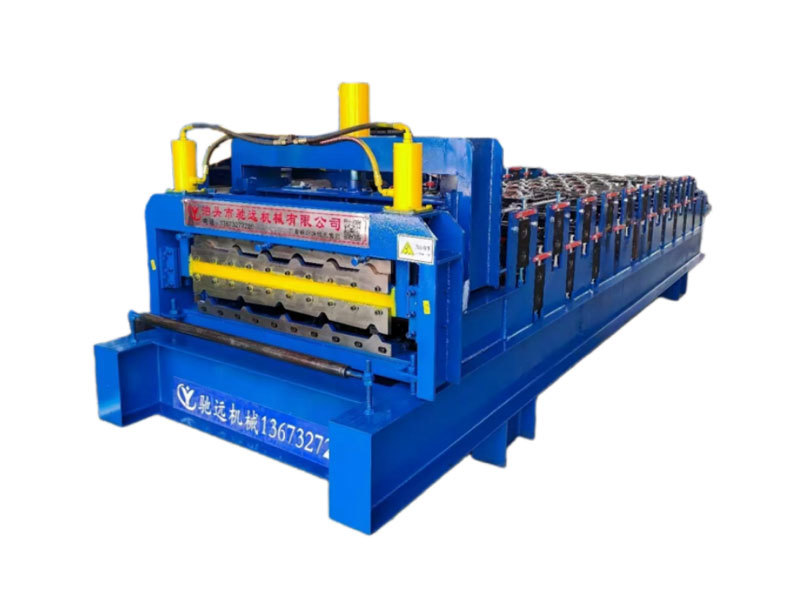
Breaking Boundaries: Exploring the Versatility of Hydraulic Bending Machines
Table of Contents
- 1. Introduction to Hydraulic Bending Machines
- 2. Understanding Hydraulic Bending Technology
- 3. Key Applications of Hydraulic Bending Machines
- 4. Benefits of Using Hydraulic Bending Machines
- 5. How to Choose the Right Hydraulic Bending Machine
- 6. Maintenance and Care for Hydraulic Bending Machines
- 7. Future Trends in Hydraulic Bending Technology
- 8. Frequently Asked Questions
- 9. Conclusion
1. Introduction to Hydraulic Bending Machines
Hydraulic bending machines have become indispensable tools in the manufacturing sector, known for their ability to create precise bends in various materials. Their robust design and advanced technology make them suitable for a wide range of applications. Understanding the versatility of these machines opens up exciting possibilities for businesses aiming to enhance efficiency and output.
2. Understanding Hydraulic Bending Technology
Hydraulic bending machines operate on the principle of hydraulic force, which allows them to exert significant pressure on materials, facilitating clean and accurate bends. These machines are particularly effective for fabricating metal components, where the need for precision is paramount.
2.1 The Mechanics of Hydraulic Bending
In a hydraulic system, a pump moves hydraulic fluid through a series of valves and cylinders. This process generates force, which is transferred to a ram or bending die that shapes the material. The ability to control the pressure and movement allows for consistent results across multiple bends, making hydraulic bending machines a preferred choice in many workshops.
2.2 Types of Hydraulic Bending Machines
Various models of hydraulic bending machines cater to different manufacturing needs. The most common types include:
- **CNC Hydraulic Bending Machines**: These offer automated control for complex designs, enhancing accuracy and reducing manual labor.
- **Manual Hydraulic Bending Machines**: Ideal for smaller operations, these machines allow operators to control the bending process directly.
- **Semi-Automatic Machines**: Combining manual and CNC features, these are versatile for various bending tasks.
3. Key Applications of Hydraulic Bending Machines
Hydraulic bending machines find applications across several industries, each benefiting from their unique capabilities:
3.1 Metal Fabrication
Metal fabrication companies utilize hydraulic bending machines to create custom parts for various industries, including automotive, aerospace, and construction.
3.2 Construction Industry
In construction, these machines produce metal frames, supports, and other structural components essential for building projects.
3.3 Shipbuilding
Hydraulic bending is crucial in shipbuilding for creating curved sections of hulls and other structural components, ensuring strength and durability.
3.4 HVAC Systems
HVAC manufacturing relies on hydraulic bending to create ductwork and piping systems that require precise bends and joints.
4. Benefits of Using Hydraulic Bending Machines
The advantages of hydraulic bending machines extend beyond just functionality:
4.1 Precision and Accuracy
With hydraulic bending, manufacturers achieve consistent results, reducing material waste and enhancing product quality.
4.2 Versatile Bending Capabilities
These machines can handle various materials, including steel, aluminum, and copper, and can create complex shapes and curves.
4.3 Increased Productivity
Hydraulic bending machines can operate at high speeds, allowing for rapid production cycles without sacrificing quality.
4.4 Ease of Operation
Modern advancements, particularly in CNC technology, have simplified the operation of hydraulic bending machines, making them accessible to operators with varying skill levels.
5. How to Choose the Right Hydraulic Bending Machine
Selecting the right hydraulic bending machine involves assessing several factors:
5.1 Assess Your Needs
Identify the types of materials you will be bending, the thickness, and the complexity of bends required. Understanding your production volume also helps guide your selection.
5.2 Evaluate Machine Specifications
Consider the machine's bending capacity, tonnage, and stroke length. A machine that can handle diverse bending tasks may be more beneficial in the long run.
5.3 Check for Additional Features
Look for machines with advanced features like programmable controls, safety mechanisms, and user-friendly interfaces that enhance operational efficiency.
6. Maintenance and Care for Hydraulic Bending Machines
Proper maintenance is crucial to maximizing the lifespan and performance of hydraulic bending machines:
6.1 Regular Inspections
Conduct regular checks on hydraulic fluid levels, hoses, and seals to prevent leaks and ensure optimal performance.
6.2 Cleanliness
Keep the machine clean from dust and debris, which can interfere with its operation and affect the quality of bends.
6.3 Scheduled Maintenance
Establish a maintenance schedule, including lubrication, component checks, and software updates, to keep the machine running smoothly.
7. Future Trends in Hydraulic Bending Technology
The future of hydraulic bending technology promises exciting developments:
7.1 Smart Machines
The integration of IoT (Internet of Things) in hydraulic bending machines is expected to enhance predictive maintenance, reduce downtime, and improve operational efficiency.
7.2 Energy Efficiency
Advancements in hydraulic technology aim to reduce energy consumption, making machines more sustainable and cost-effective for manufacturers.
7.3 Automation and Robotics
The rise of automation in manufacturing will likely lead to more sophisticated hydraulic bending solutions, enabling higher production speeds and improved accuracy.
8. Frequently Asked Questions
8.1 What materials can be bent using hydraulic bending machines?
Hydraulic bending machines can bend a variety of materials, including metals like steel, aluminum, and copper, as well as some plastics.
8.2 How does hydraulic bending compare to other bending methods?
Hydraulic bending offers greater precision and versatility compared to methods like mechanical bending, making it preferred for complex shapes.
8.3 Are hydraulic bending machines easy to operate?
Yes, modern hydraulic bending machines come with user-friendly interfaces and often include automated controls, making them accessible to operators of all skill levels.
8.4 What are the safety measures to consider when using hydraulic bending machines?
Always follow safety protocols, including wearing protective gear, ensuring proper training for operators, and maintaining the machine regularly to prevent accidents.
8.5 How do I determine the right tonnage for my hydraulic bending machine?
The tonnage required depends on the thickness and type of material being bent. Consult manufacturer specifications or an industry expert to assess your needs accurately.
9. Conclusion
The versatility and precision of hydraulic bending machines make them invaluable in various industries, from metal fabrication to construction and beyond. As technology continues to evolve, so too will the capabilities of these machines, further enhancing manufacturing efficiency and product quality. Investing in a hydraulic bending machine not only meets current production demands but also positions businesses to adapt to future challenges in manufacturing. By understanding their functionality, selecting the right machine, and maintaining it properly, businesses can unlock the full potential of hydraulic bending technology, breaking boundaries and setting new standards in their respective fields.
TAG:

Contact Us
E-mail :
chiyuan@chiyuanmachine.com
Phone/Wechat:
+86-13483837770
Address:
Botou Economic Development Zone, Cangzhou City, Hebei Province, China



Request Quote